By Shivam Das
Beth Holloway’s latest hope is not simply that Joran van der Sloot will remain behind bars. She wants him to face a separate criminal process for Natalee Holloway’s death—and she hopes that, after his prison sentence in Peru ends, he could be brought to the Netherlands to answer for it. The idea is deeply personal, but it also raises a difficult legal question: what happens when a person finishes a sentence for one murder while another country is still considering whether it can prosecute him for a different killing?
In a November 9, 2026 interview reported by NBC News and Quartz, Beth said she hopes van der Sloot could be extradited to the Netherlands after his Peruvian sentence, where he could face a murder trial and potentially serve time in a Dutch prison. The statement gives a clearer picture of the outcome she wants. It is not, however, evidence that Peru has agreed to a future handover, that Dutch prosecutors have filed charges, or that a trial date exists.
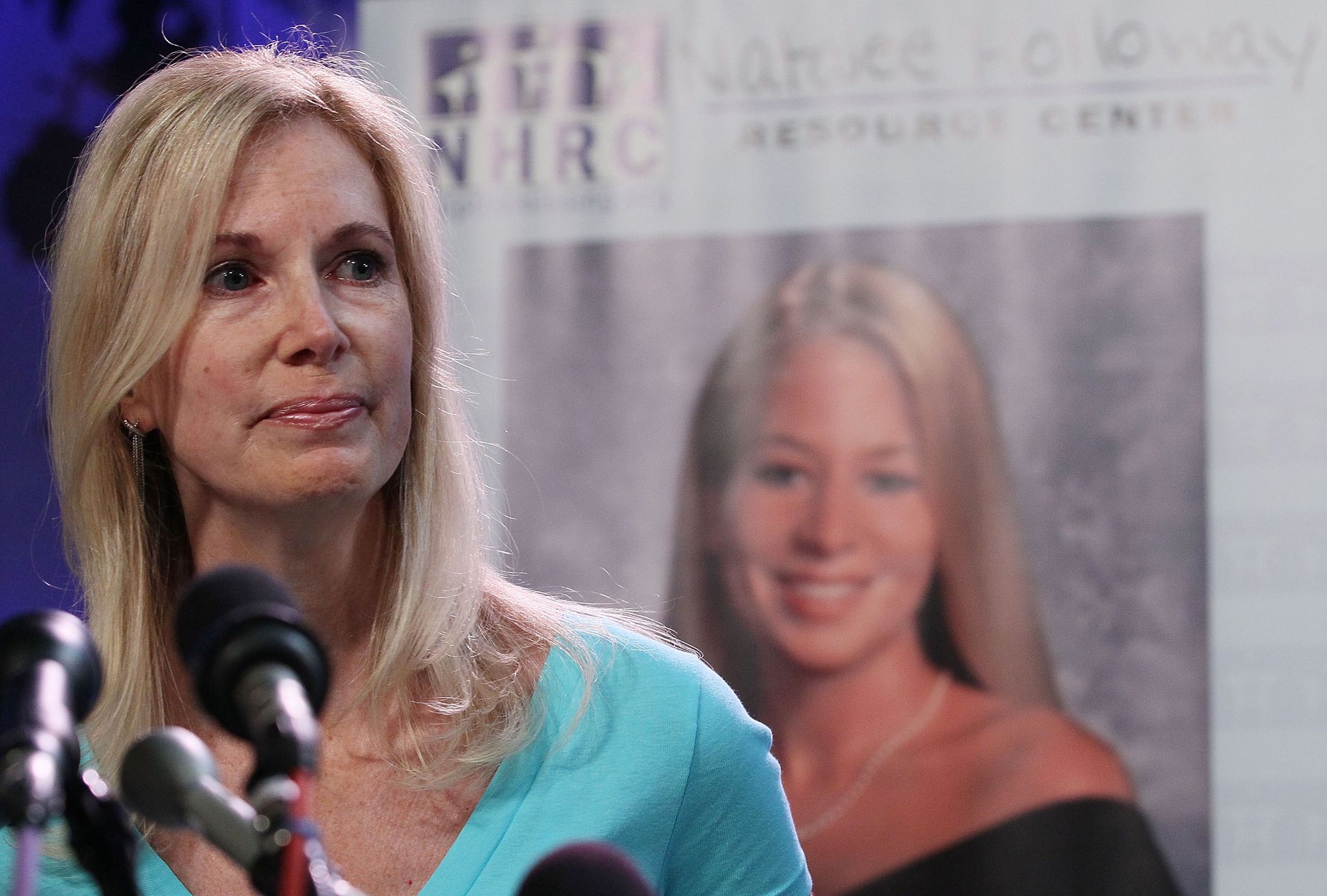
What Beth Holloway is hoping will happen
The distinction in Beth’s latest comments is the timing. She is not describing an immediate transfer from Peru. She is looking beyond the prison term van der Sloot is currently serving and hoping that the Netherlands could take him into custody for a separate prosecution connected to Natalee’s death.
That hope follows a series of legal steps in 2026. Beth filed a criminal complaint in the Netherlands in March, asking Dutch authorities to investigate van der Sloot for the killing of her daughter. On April 2, Aruba’s Public Prosecution Service said it had offered the full Aruban case file to the Public Prosecution Service in Amsterdam so Dutch prosecutors could assess the complaint. The Dutch office’s review is a real official process; it is not yet a public charging decision.
In her November 4 interview with Netflix Tudum, Beth said she had worked with Dutch attorneys Royce de Vries and Annemiek van Spanje on the complaint. She said a Dutch prosecutor was obtaining documents and Natalee’s case files. Beth described the matter as being “in the hopper,” while emphasizing that she was taking the next step rather than declaring the legal process complete.
Her comments after the documentary’s premiere also showed how she separates knowing what happened from seeking accountability. The 2023 admission ended the uncertainty that had defined much of her adult life, but it did not create a murder conviction in Natalee’s case. For Beth, the next objective is to see whether a court can formally examine that death under Dutch law.
Why the Netherlands is part of the plan
Natalee, an 18-year-old from Alabama, disappeared during a high-school graduation trip to Aruba on May 30, 2005. Van der Sloot, a Dutch national, admitted in 2023 that he killed her. That admission was made during proceedings in the United States, where he pleaded guilty to federal extortion and wire-fraud charges tied to his attempt to obtain money from Beth in exchange for information about Natalee’s remains.
The U.S. case did not try him for Natalee’s murder. The Department of Justice’s October 18, 2023 announcement identifies the offenses as extortion and wire fraud and says he received a 20-year federal sentence. The agreement required him to provide information about Natalee’s disappearance. That legal distinction remains essential: an admission made during a federal financial-crimes case is not the same thing as a murder conviction after a separate criminal trial.
Aruba’s Public Prosecution Service said in April 2026 that, after reviewing documents received from U.S. authorities, it did not then have sufficient evidence to prosecute van der Sloot for murder or qualified manslaughter in Aruba. It also said the limitation period for manslaughter had expired there. The same statement explained that the limitation period had not expired in the Netherlands and that prosecution there was possible in principle because van der Sloot is Dutch.
“Possible in principle” is a carefully limited legal description. It means Dutch authorities can examine whether the law gives them jurisdiction; it does not mean a charge has been approved or that a conviction is likely. Prosecutors still have to decide what offense, if any, the evidence supports and whether the case can be proved in court.
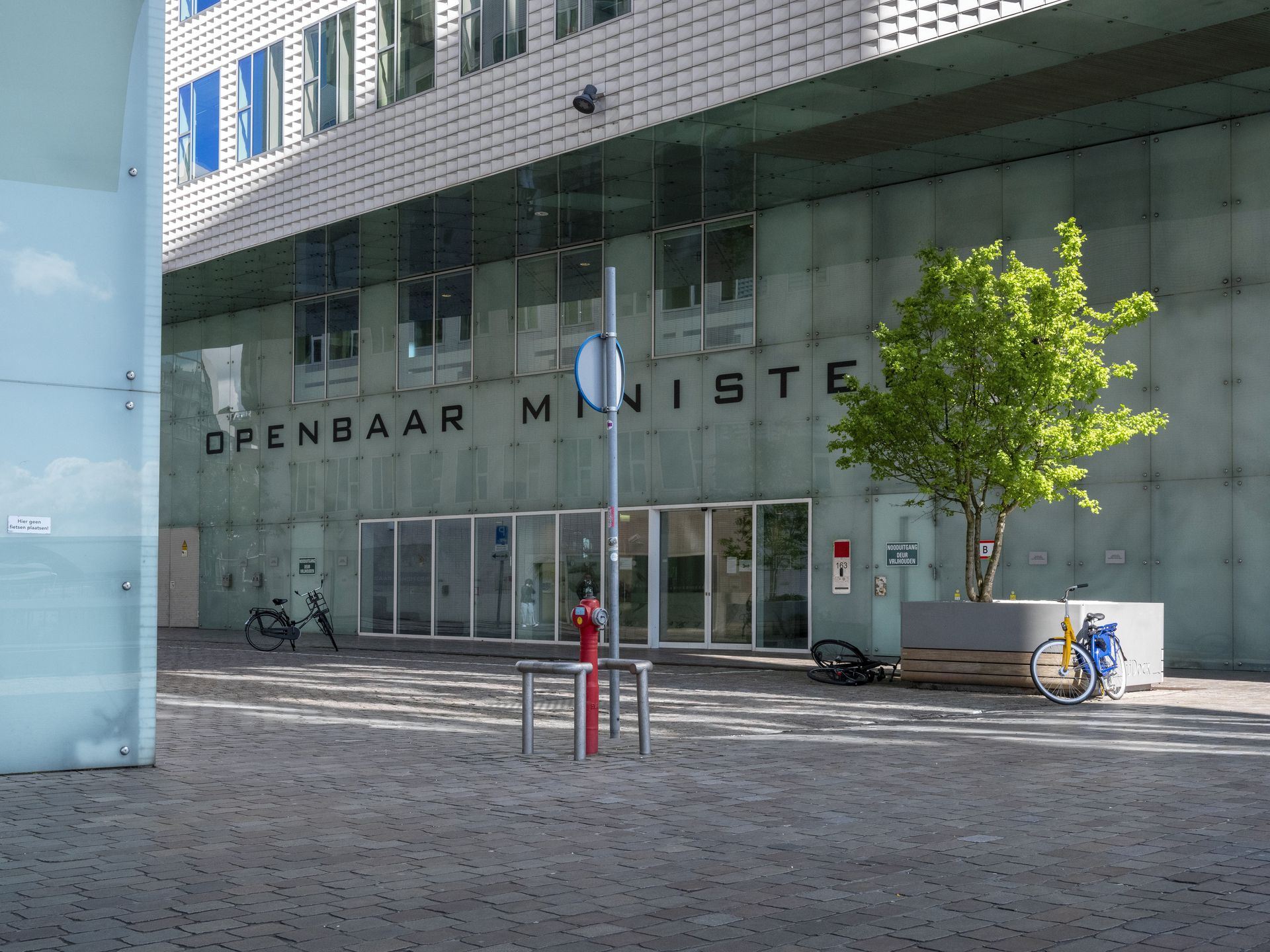
How long could van der Sloot remain in Peru?
The timeline is more complicated than a single 28-year sentence. A Peruvian court sentenced van der Sloot in January 2012 to 28 years in prison for the 2010 murder of 21-year-old Stephany Flores Ramírez. The court’s own announcement said that, counting from his first day in custody, the sentence would end on June 10, 2038.
That original date is not the whole story. Dutch public broadcaster NOS reported in January 2023 that van der Sloot had received an additional 18-year sentence in Peru for drug smuggling inside prison. NOS said that, because Peruvian law caps the relevant total period of imprisonment at 35 years, he could remain imprisoned until 2045. In March 2026, his Dutch lawyer Annemiek van Spanje also referred to 2045 as the point at which he would be released without having been tried for Natalee’s death.
Recent reporting has described 2045 as a possible parole or release milestone. It should not be presented as a guaranteed release date. The original 2012 judgment, the later drug-smuggling sentence, sentence-credit calculations, the applicable Peruvian rules and any future court decisions all matter. The responsible summary is that 2045 is the date cited in later reporting for the extended period of custody—not a confirmed date for a Dutch transfer.
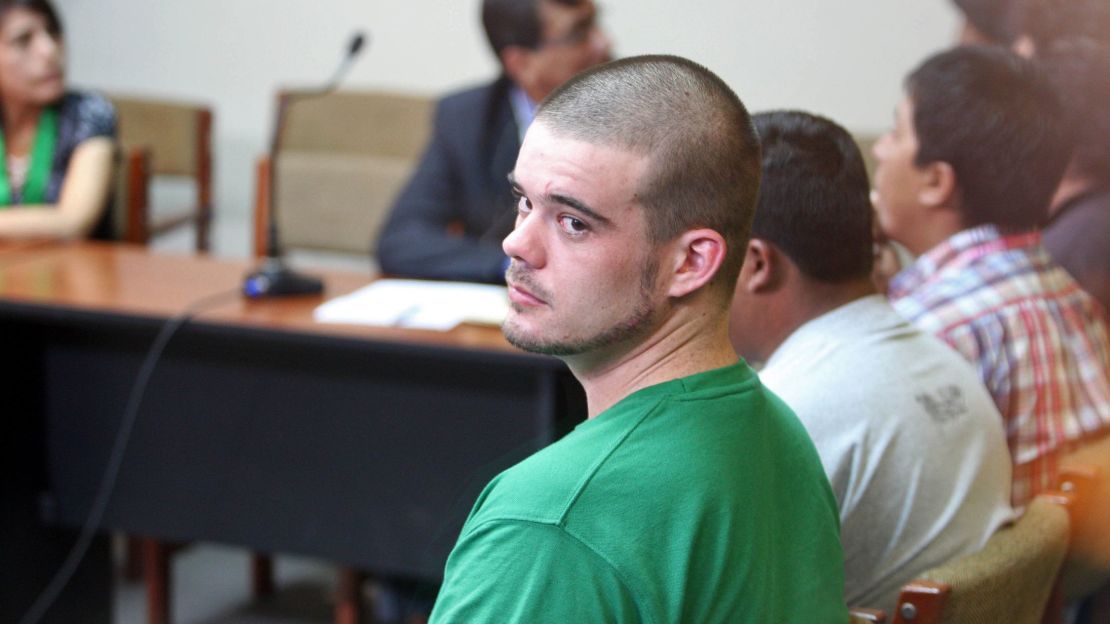
Why the 2023 U.S. transfer matters—but does not settle the Dutch question
There is one important precedent for international cooperation. In June 2023, Peru temporarily surrendered van der Sloot to the United States so he could face federal charges connected to the extortion attempt against Beth. The U.S. Department of Justice said the transfer was arranged under the extradition treaty between Peru and the United States and that he would be returned to Peru when the American proceedings ended.
That is relevant because it shows that Peru has previously allowed a foreign prosecution to proceed while preserving its own custody interests. But it does not create an automatic right for the Netherlands to receive him. The 2023 arrangement involved a specific treaty, a defined set of U.S. charges and an express plan for his return. A future Dutch request would need its own legal basis and approval from the authorities responsible for his custody.
It is also important to use the word “extradition” carefully. Beth’s hope has been described in news coverage as extradition to the Netherlands. The precise mechanism after a Peruvian sentence ends could depend on the legal status of his departure from Peru, any deportation or expulsion order, and whether Dutch authorities have a valid basis to arrest and prosecute him. No public document located for this report confirms that a Dutch extradition request has been submitted or accepted.
Could the Netherlands wait until the Peruvian sentence is over?
That is the scenario Beth has publicly expressed hope for, but it is not the only legal question Dutch authorities must consider. Prosecutors first need to decide whether to bring a case at all. If they do, they would then need to determine how to secure van der Sloot’s presence before a Dutch court, whether while he is still serving his Peruvian term or after his release.
A post-sentence transfer could avoid interrupting Peru’s existing punishment, but it would not automatically produce a Dutch trial. The Netherlands would still need a prosecutable charge, a lawful basis for taking him into custody, and admissible evidence. If he is released or expelled from Peru without a Dutch arrest warrant or other valid legal process in place, his arrival in the Netherlands would not by itself prove that prosecutors are ready to proceed.
Conversely, if Dutch prosecutors decide that the evidence supports charges before the Peruvian sentence ends, they may need to consider whether an earlier temporary surrender or another arrangement is legally possible. That would require coordination between governments and could raise questions about whether he would be returned to Peru to complete his sentence. The 2023 U.S. transfer demonstrates one model of temporary surrender, not a guaranteed template for a different country and a different case.
What evidence would a Dutch case have to examine?
The 2023 admission is central, but prosecutors cannot treat it as a substitute for the entire case file. They would need to examine the statement in the context in which it was made, the terms of the U.S. plea agreement, the interviews and recordings, the original Aruban investigation, witness accounts and any corroborating material. A defense would be entitled to challenge the reliability, interpretation and admissibility of evidence in court.
Natalee’s remains have never been recovered. The absence of a body does not automatically prevent a murder prosecution, but it makes the evidentiary task especially important. Investigators would need to assess whether the confession is consistent with the established timeline and whether independent evidence supports the account. The Dutch prosecution service—not Beth, a documentary, or a news organization—must make that legal assessment.
The separate case involving Stephany Flores also matters to the custody timeline, but it must not be confused with the Natalee case. Van der Sloot was convicted in Peru for Flores’s 2010 murder. That conviction is the basis for his Peruvian prison term. A possible Dutch case would concern Natalee’s death in Aruba in 2005 and would require its own proceedings.

Why Beth’s hope is about accountability, not only prison time
For years, Beth’s central question was what happened to Natalee. The 2023 admission gave her an answer, although it came with brutal details and without the recovery of her daughter’s remains. Her more recent comments suggest that she no longer sees the end of uncertainty as the end of her responsibility to pursue legal accountability.
That distinction came through in the Netflix Tudum interview published November 4, 2026. Beth said the “nightmare” of not knowing was over, but that she was not finished. She described the Dutch complaint as another step and said her lawyers were continuing to work with prosecutors as the relevant records were collected. She also spoke about her work with other families of missing people and her return to teaching as a public-school speech pathologist.
Her hope that van der Sloot could face a Dutch trial after Peru is therefore more than a question about the date he might leave prison. It reflects her wish that the legal record of Natalee’s death not end with a U.S. conviction for extortion and wire fraud. She wants a court with jurisdiction over the alleged killing to examine the evidence and decide whether a separate conviction is warranted.
That outcome could matter to the family even if it does not change the fact that Natalee’s remains have not been found. A prosecution would not undo the loss or guarantee every answer. It would, however, create a formal opportunity for the evidence about her death to be tested in a criminal court.
What happens next in the Netherlands?
The next concrete milestone is a decision from Dutch prosecutors after reviewing the complaint and the materials supplied by Aruba. They may request additional documents, conduct further investigative work, decide that the evidence supports charges, or conclude that prosecution is not possible. Until the Public Prosecution Service announces a decision, it would be premature to describe a Dutch trial as certain.
If charges are filed, the custody question becomes more urgent. Dutch and Peruvian authorities would need to determine whether van der Sloot can be temporarily surrendered before the end of his Peruvian term, or whether proceedings would have to wait until he is released or expelled. Any arrangement would have to respect Peru’s sentence and the applicable international legal procedures.
For now, the verified position is narrower than the headline hopes may suggest: Beth has filed a complaint; Aruba has made its case file available to Amsterdam; Dutch prosecutors are assessing the matter; and Beth hopes a future transfer will allow a Dutch trial after the Peruvian sentence ends. There is no public confirmation of a Dutch indictment, an extradition agreement, or a trial date.
For a fuller explanation of the legal mechanics, read our report on the potential route from a Peruvian prison to a Dutch courtroom. Our coverage also tracks what official action the Netflix documentary may—and may not—prompt, the timeline of the Dutch prosecutor’s review, and the conditions at Challapalca prison.
Frequently asked questions
Does Beth Holloway want Joran van der Sloot extradited to the Netherlands?
Yes. In comments reported after her November 9, 2026 interview with NBC News, Beth said she hopes van der Sloot could be brought to the Netherlands after his Peruvian sentence ends, face a murder trial and potentially serve time in a Dutch prison.
When is Joran van der Sloot expected to leave prison in Peru?
Later reporting has cited 2045 as a possible release or parole milestone after an additional sentence in Peru. The original 28-year sentence imposed in 2012 was calculated to end in 2038, but a later 18-year sentence for prison drug smuggling reportedly changed the overall timeline. The exact release date is subject to Peruvian law and sentence calculations.
Has Peru agreed to extradite van der Sloot to the Netherlands?
No public agreement or approved Dutch extradition request has been confirmed. Peru temporarily surrendered him to the United States in 2023 for a separate federal case, but that arrangement does not automatically apply to the Netherlands.
Has the Netherlands charged him with Natalee Holloway’s murder?
No public Dutch charging decision has been announced. Beth filed a complaint in March 2026, and Aruba made its case file available to prosecutors in Amsterdam for review.
Why can Dutch prosecutors investigate a killing in Aruba?
Aruba’s Public Prosecution Service said prosecution in the Netherlands was possible in principle because van der Sloot is a Dutch national and the relevant limitation period had not expired there. Prosecutors must still establish jurisdiction and decide whether the evidence supports a charge.
Was van der Sloot convicted of Natalee Holloway’s murder in the United States?
No. In October 2023, he pleaded guilty in the United States to extortion and wire fraud connected to his attempt to obtain money from Beth Holloway. He gave an account admitting that he killed Natalee, but the U.S. conviction was not for her murder.
What crime is he serving time for in Peru?
He was sentenced to 28 years in Peru for the 2010 murder of Stephany Flores Ramírez. A later reported sentence for drug smuggling in prison has affected the overall custody timeline.
Have Natalee Holloway’s remains been recovered?
No. Her remains have never been recovered.
Could a Dutch trial take place before his Peruvian sentence ends?
It may be legally possible to explore a temporary surrender or another custody arrangement, but no such plan has been publicly approved. The Dutch charging decision and Peru’s legal response would determine whether proceedings could happen before the Peruvian term ends.
Sources and reporting notes
- Netflix Tudum, November 4, 2026: Beth Holloway on the Dutch complaint and her next steps
- Quartz, November 9, 2026: Beth’s hope for a Dutch trial after the Peru sentence
- Aruba Public Prosecution Service, April 2, 2026: case file made available to Amsterdam prosecutors
- NOS, March 16, 2026: Beth Holloway’s complaint and the 2045 custody timeline cited by her lawyer
- NOS, January 10, 2023: additional Peruvian prison sentence for drug smuggling
- Peru’s judiciary, January 2012: original 28-year sentence for the murder of Stephany Flores
- U.S. Department of Justice, October 18, 2023: guilty plea and sentence for extortion and wire fraud
- U.S. Department of Justice, June 9, 2023: temporary surrender from Peru for the U.S. case
Editorial note: This article distinguishes Beth Holloway’s stated hope from confirmed legal action. The 2045 date is attributed to later reporting and is not presented as a guaranteed release date. No Dutch charge, extradition approval, or trial date is claimed.
By Shivam Das