Netflix’s three-part Taken: Natalee Holloway has renewed public attention, but the next developments will be determined by prosecutors, courts and the evidence—not by streaming numbers. Beth Holloway has told Netflix she is pursuing a Dutch legal complaint against Joran van der Sloot. New reporting about his prison location in Peru adds another development, but it is separate from the Dutch review. Here is what could happen next and what remains unconfirmed.

What the Netflix release has changed — and what it has not
Taken: Natalee Holloway premiered on November 4, 2026. The three-episode series revisits Natalee’s disappearance during a high-school graduation trip to Aruba in 2005, the international search, the 2010 FBI extortion investigation and the 2023 U.S. proceedings. Netflix says the series draws on interviews and previously unseen footage.
The release has renewed attention and prompted fresh interviews. That can encourage scrutiny of the record and help a new audience understand the case. But a documentary premiere is not a new criminal filing, a prosecutor’s charging decision or a court ruling. Streaming interest does not create jurisdiction or remove legal barriers.
Van der Sloot’s 2023 U.S. guilty plea was to extortion and wire fraud. During those proceedings he admitted killing Natalee, but he was not convicted of her murder in the United States. That distinction explains why Beth’s effort in the Netherlands remains significant.
The Dutch complaint is the clearest legal next step
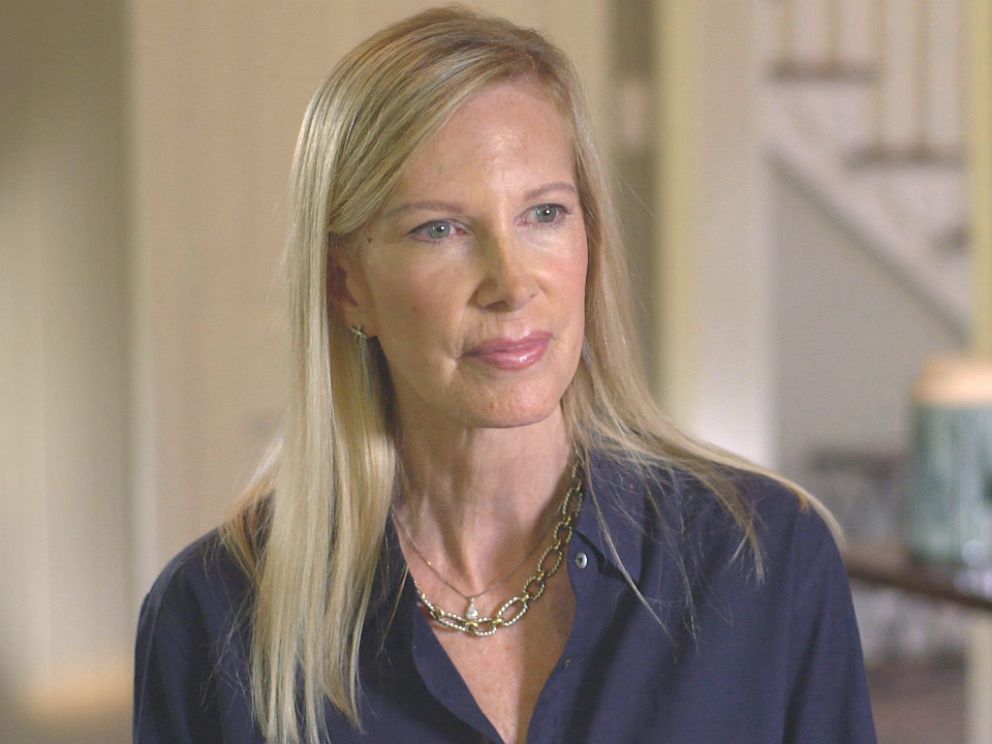
In a Netflix Tudum interview published November 4, Beth said she had worked with Netherlands-based lawyers Royce de Vries and Annemiek van Spanje to submit a murder complaint to Dutch authorities. She said a Dutch prosecutor was obtaining documents and Natalee’s case files. She described the matter as under review, not as a prosecution already underway.
A criminal complaint asks authorities to examine alleged conduct; it does not compel prosecutors to charge a suspect. Dutch authorities must assess the evidence, applicable law, jurisdiction and whether the requirements for prosecution are met. No Dutch indictment or trial date for van der Sloot in connection with Natalee’s death had been publicly announced in the sources reviewed here.
On April 2, 2026, Aruba’s Public Prosecution Service said it would make its case file available to the Amsterdam Public Prosecution Service after Beth filed a complaint in the Netherlands. The Aruban service said its review of material received from U.S. authorities had not, at that stage, produced sufficient evidence for murder or qualified manslaughter charges in Aruba. It also said manslaughter prosecution was time-barred there, while the relevant limitation period had not expired in the Netherlands and prosecution there was in principle possible because van der Sloot is Dutch.
That official explanation is a procedural opening, not a promise of prosecution. Dutch authorities still need to evaluate the file. See our earlier coverage of the Dutch murder complaint’s status and the possibility of Dutch charges.
What prosecutors may examine next
The Dutch prosecutor may assess the Aruba case file, U.S. federal records, van der Sloot’s 2023 proffer and plea-related statements, and other investigative material. The existence of documents does not mean every statement is admissible or sufficient to prove a charge.
Authorities would need to consider the offense available under Dutch law, jurisdiction over alleged conduct in Aruba, limitation rules, the evidentiary value of the confession and corroborating material, and whether the legal threshold for prosecution is met. A confession can be important evidence without automatically resolving every issue required for trial.
The next public milestone could be a statement from the Dutch Public Prosecution Service, a request for additional material, or a decision not to proceed. Authorities may not disclose every investigative step while a review is active. Silence should not be treated as proof that the file has been abandoned—or that charges are imminent.
Peru prison developments are separate from the Dutch case
Van der Sloot is serving a 28-year Peruvian sentence for the 2010 murder of Stephany Flores Ramírez. He also received a 20-year U.S. sentence after pleading guilty to extortion and wire fraud. His custody and any prison transfer are separate from the Dutch review.
In August 2026, van der Sloot sought a transfer from Challapalca, alleging other inmates threatened to kill him and that threats also extended to his family. These remain allegations reported from his petition and his lawyer’s statements, not independently established facts. Spanish-language reporting on November 9 said he had been moved to Cochamarca. That reported change in prison location is not a Dutch charging decision. Read our coverage of the reported prison threats and the Challapalca transfer request.

Can public pressure affect the outcome?
Public attention can keep a case visible, encourage journalists to seek updates and help audiences locate official records. But pressure campaigns cannot substitute for evidence. Prosecutors must apply the law consistently, and witnesses and relatives should not be harassed or turned into subjects of online speculation.
A documentary is an editorial work built from selected interviews, documents and footage. It can explain a complicated history, but the legal record remains the source for what a defendant pleaded guilty to, what a court decided and what prosecutors are considering. The series did not itself file charges or order a prosecution.
What to watch for next
- Dutch prosecution update: Whether authorities say the complaint has moved beyond initial review or request more evidence.
- Case-file confirmation: Whether Dutch authorities confirm receipt and review of the material Aruba offered to provide in April 2026.
- Accurate legal language: A complaint, investigation, decision to prosecute, indictment and conviction are different stages.
- Verified prison information: Official confirmation from Peruvian authorities about van der Sloot’s location and sentence administration.
What this means for Beth Holloway and Natalee’s legacy
Beth has described the end of uncertainty about Natalee’s fate as a profound change. In her Netflix interview, she said the years of not knowing had been the central torment. She also made clear that learning what happened did not end her effort to pursue accountability through the Dutch legal process.
Netflix’s series describes Natalee as a young woman from Mountain Brook, Alabama, who planned to attend the University of Alabama on an academic scholarship. That context matters: the story began with an 18-year-old whose future was interrupted, and a family left to navigate an international search and years of uncertainty.
The responsible way to follow what happens next is to focus on verifiable developments: the Dutch prosecutor’s review, legal records from Aruba and the United States, and confirmed information about van der Sloot’s custody. Public interest may keep the questions in view. Only evidence and due process can determine whether a Dutch prosecution follows.
Frequently asked questions
Has Joran van der Sloot been charged with Natalee Holloway’s murder in the Netherlands?
No Dutch charge or trial date had been publicly announced in the sources reviewed. Beth has said a complaint was filed and Dutch prosecutors were obtaining case materials.
Why is the Netherlands reviewing the case?
Aruba’s Public Prosecution Service said in April 2026 that it was making the file available to Amsterdam after Beth filed a complaint. The Aruban service said the limitation period for manslaughter had expired in Aruba but not in the Netherlands, where prosecution was in principle possible because van der Sloot is Dutch.
Did the Netflix documentary cause a new prosecution?
No. The complaint and transfer of the Aruba case file were reported before the November 2026 premiere. The documentary renewed attention but did not itself file charges.
Was van der Sloot convicted of Natalee’s murder in the United States?
No. His 2023 federal guilty plea was to extortion and wire fraud. He admitted killing Natalee during the proceedings but was not convicted of her murder in the United States.
Sources and reporting notes
- Netflix Tudum, November 4, 2026: Beth Holloway’s interview and Dutch complaint.
- Dutch Public Prosecution Service / Aruba, April 2, 2026: transfer of the case file.
- NL Times, April 3, 2026: Aruba hands over the file.
- Quartz, November 9, 2026: Beth Holloway’s public comments.
- NL Times, August 21, 2026: reported prison-threat allegations.
- EuroCrime, November 9, 2026: reporting on the move to Cochamarca.
- Netflix Media Center: official series description.
Editorial note: This article separates official statements, reported allegations and analysis. It does not predict a charging decision or treat renewed public attention as proof of a legal outcome.