For a story that has been examined in headlines, television specials and years of online debate, the central creative decision behind Netflix’s Taken: Natalee Holloway was also its most human one: let Beth Holloway tell the story of her daughter, Natalee, from the perspective of the person who spent two decades searching for answers.
That choice shapes the three-part series directed by Dani Sloane and Matthew Galkin. Rather than treating the case as a puzzle assembled only from police timelines and familiar crime-story beats, the documentary places Beth’s experience at its center, while bringing in friends, investigators, journalists, attorneys and material from the investigation. Netflix’s own description emphasizes unprecedented access to Beth and people who were with Natalee, along with previously unseen footage and details. The result is a story told through the people closest to the disappearance—and through the long aftermath that followed.
Why Beth’s point of view changes the shape of the story
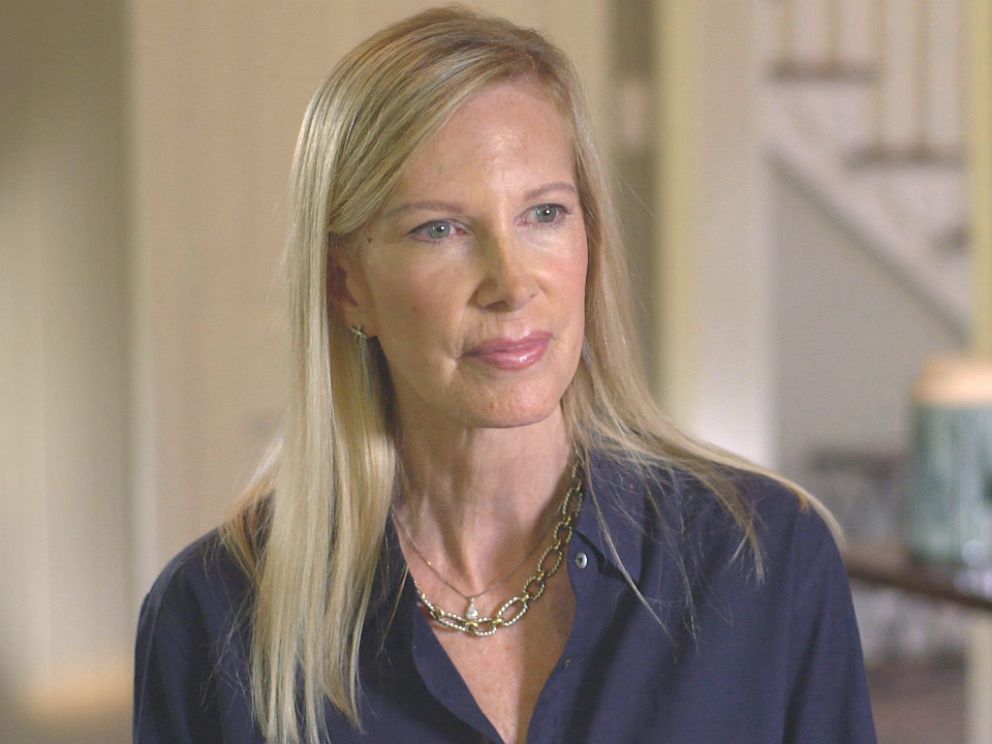
In a conventional true-crime structure, the audience is often guided by investigators, reporters or a narrator who reconstructs events from the outside. Taken: Natalee Holloway makes a different organizing choice. Beth is not simply one interview among many: her search is the timeline that connects the disappearance in Aruba in 2005, the years of uncertainty, the 2010 extortion attempt and the 2023 legal proceedings that finally produced an account of what happened.
That perspective gives the series a clear emotional through-line. Viewers encounter the case not only as a sequence of developments, but as a family’s lived experience of waiting, pursuing leads, confronting misinformation and trying to obtain reliable answers. The choice also makes the limits of the story visible: Natalee’s remains have not been recovered, and no documentary can replace the person whose absence began the search.
Netflix’s official series description says the production follows the case through the eyes of those closest to Natalee. It identifies Beth as the central voice while also promising access to people who were with Natalee, investigators and previously unseen material. That framing suggests a deliberate balance: Beth supplies continuity and emotional context, while other participants and records help widen the account beyond one person’s memory.

What the directors have said publicly—and what the record does not establish
Dani Sloane has discussed the documentary in a post-premiere conversation with the Criminally Obsessed podcast. The episode description says she spoke about why Beth decided it was time to revisit the case, the experience of hearing Joran van der Sloot’s 2023 confession audio, the newly presented footage of the extortion attempt, and the effort to show Natalee as a young woman with hopes and a future—not merely a name in a headline or a cautionary tale.
That is a useful window into the project’s approach, but it is important not to overstate the available record. The public interview description identifies Sloane as the guest; it does not provide a verbatim joint statement from Sloane and Galkin explaining every aspect of their shared directing process. This article therefore distinguishes the production’s documented framing and Sloane’s publicly described comments from editorial analysis of what the finished series does. It does not invent a quote from either director.
A recent Forbes interview also features Sloane discussing major revelations in the series. Taken together with Netflix’s official synopsis and the podcast conversation, the available material supports a clear reading of the film’s priorities: Beth’s account anchors the narrative, while archival material and interviews provide context and test the story against the record.
Why the supporting voices matter
A Beth-centered documentary could risk becoming a single-perspective account if it relied only on her recollections. The series broadens the frame with interviews from Natalee’s friends, Beth’s attorney, people involved in the early search, Aruban journalists and former law-enforcement personnel. Netflix’s published list of participants includes friends Madison Greer and Claire Fierman, attorney John Q. Kelly, Aruban journalist Dilma Arends Geerman, cameraman Tony Zumbado, former deputy police chief Gerold Dompig and retired FBI agents.
Those voices serve different purposes. Friends can restore details of Natalee’s personality and plans before the trip. Investigators and journalists can explain how the search and public narrative developed. Legal and federal participants can clarify the later extortion case and the evidence that became public. The documentary’s use of these perspectives is important because the emotional authority of a parent’s experience and the evidentiary value of records are not the same thing; a responsible account needs room for both.
The series also includes footage from the 2010 FBI operation connected to van der Sloot’s attempt to obtain money from Beth in exchange for information about Natalee. Netflix says this footage had not previously been publicly released. Its inclusion shifts the story from retrospective recollection to a record of events captured at the time, giving viewers material to assess alongside interviews.

Making Natalee more than the case file
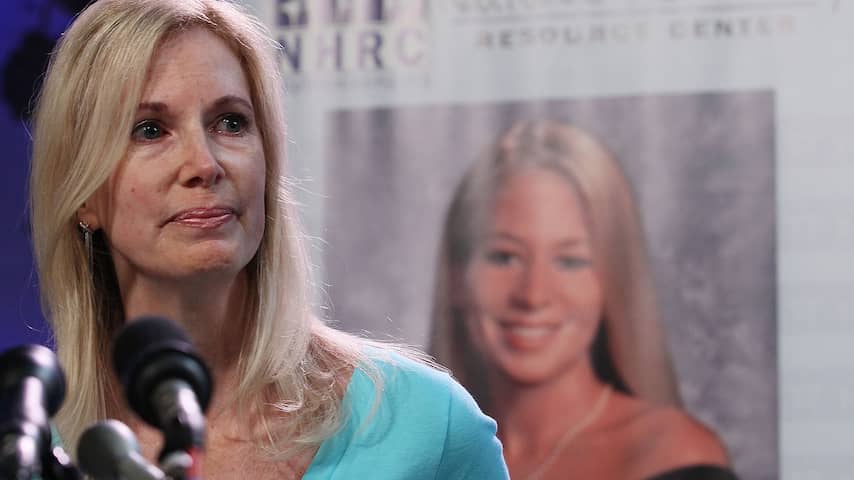
One of the most consequential choices described in the podcast episode is the intention to present Natalee as a person rather than reduce her to the circumstances of her disappearance. The episode description says Sloane discussed showing Natalee as a young woman with hopes, dreams and a future ahead of her. That emphasis is more than a tonal detail. It addresses a common problem in coverage of high-profile missing-person cases: the victim can become less visible than the mystery, the suspect or the media spectacle surrounding the investigation.
Netflix’s Tudum coverage describes Natalee as a driven student who had plans to attend the University of Alabama on a full academic scholarship and dreamed of becoming a doctor. Her mother and friends recall her humor, determination and close relationships. Those details help restore the ordinary life that existed before the case became international news.
Placing Beth’s perspective at the center can help make that loss legible, but it also carries a responsibility. Natalee must remain the subject of the story, not simply the reason for a long-running investigation or the symbol of her mother’s endurance. The strongest moments in a documentary like this are those that allow viewers to understand who she was while maintaining care around what cannot be known or shown.
How the series handles the 2023 confession and the long search
The 2023 proceedings provide a turning point in the chronology. Van der Sloot pleaded guilty in the United States to federal extortion and wire-fraud charges tied to his 2010 attempt to obtain money from Beth. During the proceedings, he gave an account of killing Natalee in Aruba in 2005. The series revisits that account alongside the years of denials, shifting stories and investigative work that preceded it.
Netflix’s post-premiere interview with Beth makes clear that learning what happened did not mean she considered every aspect of the case finished. She described a continuing effort to pursue legal steps in the Netherlands. That distinction matters to the documentary’s ending: an answer about the fate of Natalee can end one form of uncertainty without erasing the years of harm or every remaining legal question.
For background, see our coverage of the renewed discussion of senior-trip safety, the status of the Dutch murder complaint, and where van der Sloot is serving his sentence.
What choosing Beth’s perspective achieves—and what it cannot do
The documentary’s point of view offers a coherent way into a complicated, cross-border case. Beth’s presence gives the series a human center; the friends, investigators, journalists and archival footage supply different forms of corroboration and context. That combination can help audiences understand both the personal cost of the disappearance and the mechanics of a long investigation.
But a mother’s perspective is not a substitute for every witness, document or legal finding. Nor can a three-part series resolve every disputed detail simply by assembling interviews. Viewers should distinguish personal recollection, official records, a defendant’s statements and the filmmakers’ narrative choices. The value of the Beth-centered approach is strongest when the series makes those differences visible rather than asking emotion alone to settle questions of fact.
In the end, the choice to tell Taken: Natalee Holloway through Beth is a choice about where the audience stands. It begins with the person who refused to let her daughter disappear from public memory, then opens outward to the people and evidence that shaped the case. That approach gives Natalee’s story a human center while reminding viewers that the life at its heart was always larger than the crime that took it.
Frequently asked questions
Who directed Taken: Natalee Holloway?
The three-part Netflix documentary was directed by Dani Sloane and Matthew Galkin. Netflix lists both as directors and identifies Story Syndicate as the production company.
Why does the documentary focus so heavily on Beth Holloway?
The series is framed around Beth’s 20-year search for answers and her account of the case. Netflix says it uses unprecedented access to Beth and people who were with Natalee, alongside investigators and previously unseen footage.
Have both directors given a joint explanation for choosing Beth’s perspective?
The public materials cited here establish the series’ Beth-centered approach and include a podcast conversation with director Dani Sloane. They do not provide a verified joint quotation from Sloane and Matthew Galkin explaining the decision together, so a shared direct quote should not be attributed to them.
What other people appear in the documentary?
Netflix lists Natalee’s friends, Beth’s attorney, people involved in the early search, Aruban journalists, a former Aruban deputy police chief and retired FBI agents among the participants.
Does the series include previously unseen footage?
Netflix says the series includes footage from a 2010 FBI operation connected to the extortion attempt against Beth that had not previously been publicly released.
Sources and further reading
- Netflix Media Center: official series synopsis, directors and production information.
- Netflix Tudum: series overview, Beth’s perspective and interview participants.
- Criminally Obsessed: Anne Emerson’s conversation with director Dani Sloane.
- Forbes: Dani Sloane discusses major revelations in the documentary.
- Netflix Tudum: Beth Holloway on life after the confession and her continuing legal efforts.
Editorial note: The analysis of the documentary’s perspective is based on the finished series’ official framing and the public interviews cited above. Direct quotations are not attributed to the directors unless a source supports them.