Early reviews of Netflix’s Taken: Natalee Holloway suggest that its strongest impact is not a dramatic rewrite of the case, but a closer look at the mother who spent 18 years trying to learn what happened to her daughter. Several reviewers say longtime followers may recognize much of the timeline. What gives the three-part documentary its emotional force, they argue, is Beth Holloway’s persistence, grief, anger, and determination—and the memories of the people who knew Natalee before she became the subject of a global investigation.
The critical response is not unanimous. Decider recommends the series for its intimate account of the family’s ordeal, while noting that viewers familiar with the case may learn little that is entirely new. The National similarly says the documentary does not fundamentally change what is known, but identifies Beth as its emotional center. Film Focus Online praises the interviews and Beth’s resolve; Flickonclick is more reserved about how much new information longtime followers will receive. Taken together, these reviews point to a clear distinction: the series is being discussed as a human-centered retelling, not a fresh solution to the mystery.

Why Beth Holloway is the documentary’s emotional center
Natalee Holloway disappeared during a high-school graduation trip to Aruba in May 2005. Beth traveled to the island, worked with searchers and investigators, spoke publicly, and kept pressing for answers through years of conflicting accounts, searches, arrests, and renewed attention. That long effort is not a side story in Taken: Natalee Holloway; it is the framework through which the series revisits the case.
Netflix’s official Tudum guide describes a three-part account told through the people closest to Natalee, with Beth’s two-decade search at its center. The production includes interviews with friends, investigators, journalists, and people who helped during the search. Its approach asks viewers to consider not only what happened, but what it meant to live through years when the central question remained unanswered.
Decider identifies Beth’s anger, grief, and determination as the reason the story remains compelling even for viewers who already know the facts. Film Focus Online also describes her persistence as the emotional backbone of the series. These are reviewers’ judgments, not measurable facts, but they help explain why a familiar case can still make an affecting documentary.

What critics mean by “few new revelations”
Calling the series familiar does not mean it contains no new material. Netflix has promoted access to investigators and previously unreleased footage, including material connected with the 2010 FBI operation involving van der Sloot’s attempt to obtain money from Beth in exchange for information about Natalee. The official series description also points to interviews and details that had not previously been presented in this format.
The distinction is between new footage or testimony and a new overall explanation of the case. For people who have followed the story since 2005, the broad milestones are well known: the Aruba trip, Natalee’s last known night, the early investigation, the searches, van der Sloot’s changing accounts, the 2010 extortion attempt, and his 2023 guilty plea to federal extortion and wire-fraud charges. Bringing those events together with new interviews can add context without changing the established timeline.
The National says the series does not fundamentally alter what is already known. Flickonclick likewise notes that longtime followers may learn little new, while finding value in the friends’ and family’s perspectives. Decider’s review makes a similar point but recommends the series for its intimate treatment of the ordeal. The most accurate summary, then, is not that the documentary has “nothing new”; it is that its main contribution is perspective and presentation rather than a new resolution.

Why Natalee’s friends matter to the story
The documentary also gives Natalee’s friends room to describe the person they knew before the disappearance. That choice matters in true-crime storytelling. A case can become dominated by the suspect, the investigation, and the public debate until the victim is reduced to a name in a headline. Recollections from friends can restore details about Natalee’s personality, plans, humor, and relationships—parts of a life that a police timeline cannot capture.
Flickonclick notes that the friends’ interviews help viewers see Natalee as a young person with a life beyond the case. Netflix’s official guide identifies friends and people involved in the search among the interviewees. Their testimony is not a substitute for forensic evidence, but it gives the documentary a wider human perspective than a retelling built only around the investigation.
For new viewers, this material may be an introduction to Natalee as a person. For longtime followers, it may be a reminder that the story did not begin with the disappearance and should not end with the man who confessed to killing her.

Why a familiar timeline can still feel powerful
Viewers who have never followed the case may find the series a chronological account of how a graduation trip became an international missing-person investigation—and how Beth’s search continued through years of uncertainty. For people who have followed it closely, the value may lie elsewhere: hearing participants revisit their experiences, seeing archival material assembled in one place, and understanding how the passage of time affected the family.
Information and emotional understanding are not the same thing. A viewer may already know the major events but still gain a clearer sense of the strain of waiting, the pressure of public scrutiny, and the work required to keep a missing-person case visible. That does not make every scene revelatory, and it does not remove the need to question choices about pacing, emphasis, or balance. It explains why a familiar story can still be affecting.
Film Focus Online praises the interviews and pacing while acknowledging questions about the investigation and media attention. Flickonclick is more cautious about how much new information the series provides. The contrast suggests that the documentary may appeal most to viewers interested in the people who lived with the case, rather than those expecting a new forensic breakthrough.
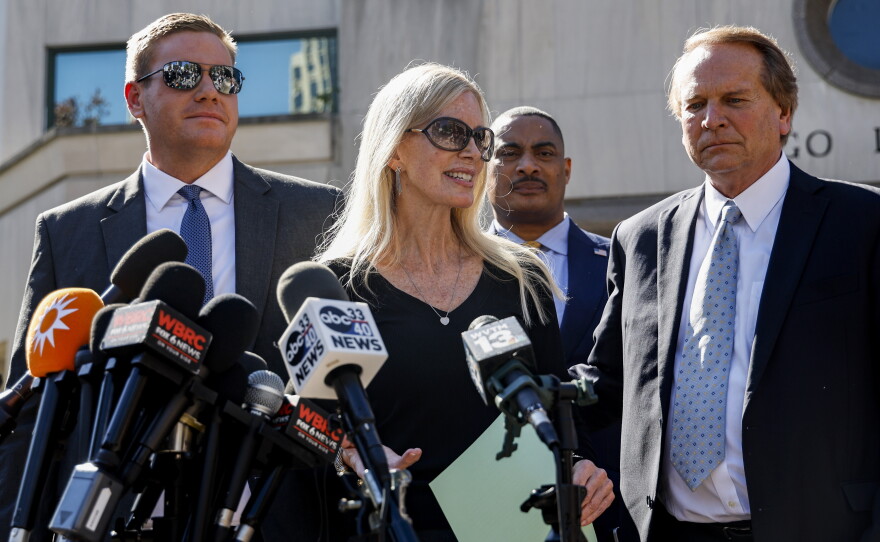
Early reviews are not one unanimous verdict
It would be misleading to turn a handful of early reviews into a single critical consensus. Decider recommends streaming the series and emphasizes its intimate family perspective. Film Focus Online finds it emotionally powerful. Flickonclick gives a more mixed assessment, noting that the story may feel familiar to longtime followers and questioning aspects of its emphasis. The National also sees limited new revelation but regards Beth as the emotional center.
Those differences matter. Some reviewers respond most strongly to Beth’s determination; others ask whether the documentary gives enough space to Natalee herself or whether its treatment of the investigation feels balanced. A careful review roundup should preserve both the praise and the reservations instead of claiming that all critics agree.
There is another reason to avoid sweeping labels such as “critically acclaimed.” At the time of this review roundup, Rotten Tomatoes’ series listing identifies the 2026 show but does not display a Tomatometer or Popcornmeter score. Without an aggregate score, claims about a consensus rating would be premature.
What the documentary changes—and what it does not
Van der Sloot pleaded guilty in federal court in October 2023 to extortion and wire fraud tied to his attempt to obtain money from Beth Holloway. During the plea process, he gave an account of Natalee’s killing. Those are documented legal events. But the federal plea was not an Aruban murder trial, and the documentary does not create a new court finding about Natalee’s death.
The series’ contribution is principally one of testimony, context, and perspective. It brings together the family’s account, friends’ memories, investigators’ recollections, and footage connected with the case. It can help a new audience understand why Beth’s pursuit lasted so long and why the 2023 admission mattered to her. It does not replace the distinction between a confession made in a federal plea agreement and a murder conviction.
For more context, read our coverage of why Beth chose this moment to tell the full story, the directors’ decision to center Beth’s perspective, and Decider’s stream-or-skip review.
Frequently asked questions
Do critics think Taken: Natalee Holloway reveals major new facts?
Several early reviewers say the series does not substantially change the established account, especially for longtime followers. Netflix says the production includes previously unseen footage and interviews, so “few new revelations” should not be confused with “no new material.”
Why do reviewers focus on Beth Holloway?
The documentary is structured around Beth’s long search for answers after Natalee disappeared in Aruba in 2005. Reviewers who respond positively often point to her persistence, grief, and determination as its emotional center.
Does the series include Natalee’s friends?
Yes. Netflix’s official guide identifies friends and people involved in the search among the interviewees. Their recollections add personal context about Natalee’s life before her disappearance.
Does the series have a Rotten Tomatoes score?
The Rotten Tomatoes listing currently identifies the 2026 series but does not display a Tomatometer or Popcornmeter score. Claims about an aggregate rating should wait until a score is published.
Where can viewers watch the documentary?
The three-part series premiered on Netflix on November 4, 2026. It is listed on the official Netflix title page.
Sources and further reading
- Decider — Stream It or Skip It: Taken: Natalee Holloway
- The National — Netflix reopens the Natalee Holloway case
- Film Focus Online — Review of Taken: Natalee Holloway
- Flickonclick — Review of the Netflix series
- Netflix Tudum — Official series guide
- Rotten Tomatoes — Series listing and rating status
Editorial note: This article summarizes selected early reviews published in November 2026. Critical responses may change as more reviews and audience ratings appear. Reviewers’ opinions are distinguished from established facts in the case.