By Shivam Das
Netflix’s Taken: Natalee Holloway revisits a case in which messages, emails, recorded conversations and anonymous tips repeatedly promised answers. Two communication trails stand out: a 2010 exchange that helped expose Joran van der Sloot’s attempt to obtain money from Natalee Holloway’s family, and a 2021 WhatsApp tip that sent Beth Holloway toward what looked like a long-awaited piece of evidence but proved to be a scam.
The unsettling part is not simply that people were communicating. It is how differently those communications functioned. One trail was documented by the FBI and became part of a federal criminal case. The other arrived through an intermediary, carried an extraordinary claim and ultimately collapsed under investigation. The distinction matters because the documentary’s emotional revelations should not be confused with independently verified evidence.
Why the communication trail matters in Taken: Natalee Holloway
Natalee disappeared in Aruba on May 30, 2005, aged 18. For years, the family faced changing accounts, tips that did not lead to her, and claims about information that could supposedly explain what happened. The three-part Netflix series, which premiered November 4, 2026, uses interviews and previously unseen material to revisit that long search. Netflix says the production includes unprecedented access to Beth Holloway and people who were with Natalee when she vanished (Netflix Media Center; Netflix Tudum).
For viewers, the communications are important because they show how the case moved beyond the initial investigation. They also illustrate a recurring danger in high-profile missing-person cases: when a family is desperate for answers, a person claiming to possess secret information can gain enormous leverage.

The 2021 WhatsApp message: the anonymous “Fisherman”
One of the most disturbing revelations revisited in the series concerns a message received in May 2021 by journalist Greta van Susteren. The sender identified himself as “the Fisherman.” According to accounts of the documentary, he claimed Natalee’s body had been kept in a fisherman’s cabin for two days after she disappeared. He also sent a blouse that he said Natalee had worn on the night she died, reportedly seeking payment for the information.
Beth later recalled the shock of seeing the garment and believing she recognized it. That reaction is understandable in the context of 16 years of uncertainty. But recognition is not forensic identification. The blouse was examined, and the reported FBI analysis found no DNA or pattern evidence linking it to Natalee. Investigators concluded the anonymous source had deceived Van Susteren; Aruba’s Public Prosecutor’s Office later said an investigation with FBI cooperation found the information was not concrete or accurate and that Van Susteren had been defrauded and manipulated.
That official finding is crucial. The WhatsApp message was a lead, not proof. The blouse did not establish where Natalee had been, how she died, or who was responsible. Reporting by Parade describes Beth’s emotional response, while the Aruba Public Prosecutor’s Office provides the official account of the investigation into the tip.
The 2010 emails and meeting: a different kind of evidence
The documentary also revisits a separate communication trail from 2010. Van der Sloot contacted Beth’s attorney, John Q. Kelly, and offered information about Natalee’s remains in exchange for money. The communications led to a meeting in Aruba that was recorded as part of an FBI operation. The newly released footage is significant because it allows viewers to see and hear the exchange rather than relying only on later recollections.
In the meeting, Kelly pressed van der Sloot to be specific about where Natalee was. The arrangement was structured around an initial payment and a much larger promised sum if useful information followed. Reports on the footage describe $10,000 handed over at the meeting and a further $15,000 transfer discussed, with the broader proposed payment reaching $250,000. The key point is that the promised information did not lead investigators to Natalee.
After the meeting, van der Sloot gave Kelly a location and a story involving a house under construction and Natalee’s remains. That account was later shown to be false. Reporting on the documentary and the 2010 operation also describes subsequent emails in which van der Sloot acknowledged that he had lied. The communications were not a successful recovery of evidence; they helped establish the extortion scheme that became the basis for federal charges in the United States. See TV Insider’s account of the newly released footage and Mediaite’s reporting on the FBI operation.

Why the FBI recording changed the story
There is a major difference between an anonymous message and a recorded meeting conducted as part of a law-enforcement operation. The WhatsApp tip depended on the sender’s credibility and on an item that forensic work did not connect to Natalee. The 2010 meeting, by contrast, generated a contemporaneous record of what van der Sloot said while seeking money.
That does not mean every statement in the recording was true. In fact, the false location story demonstrates the opposite. The value of the footage is that investigators could document the conduct and compare claims against other evidence. The communication itself became evidence of an alleged crime, rather than reliable evidence of Natalee’s location.
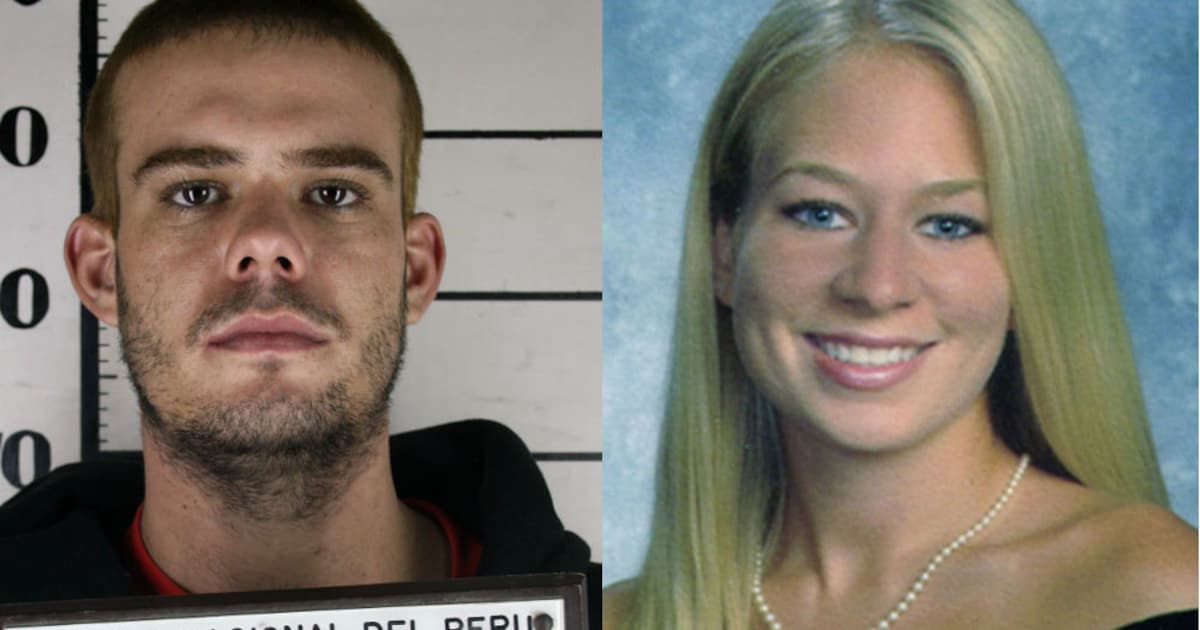
It is also important to describe the legal outcome precisely. In October 2023, van der Sloot pleaded guilty in the United States to extortion and wire fraud connected to the attempt to obtain money from the Holloway family. During the proceedings, he gave an account admitting that he killed Natalee. The federal case was not a conviction for Natalee’s murder. Netflix’s reporting explains that he remains imprisoned in Peru for the murder of Stephany Flores Ramírez, while the U.S. sentence for the federal offenses runs concurrently with his Peruvian sentence (Netflix Tudum: Where the case stands now).
What viewers should not confuse
- The WhatsApp tip was not verified evidence. The anonymous source’s story and blouse were investigated, and authorities said the information was fraudulent.
- The 2010 meeting was recorded. It documented an attempt to obtain money in exchange for purported information, not a successful disclosure of Natalee’s whereabouts.
- An admission is not the same as a murder conviction. Van der Sloot pleaded guilty to U.S. extortion and wire-fraud charges; he has not been convicted of Natalee’s murder in that federal case.
- Natalee’s remains have not been recovered. The confession gave Beth answers about what van der Sloot said happened, but it did not lead to the recovery of her body.
Why the communications remain so painful
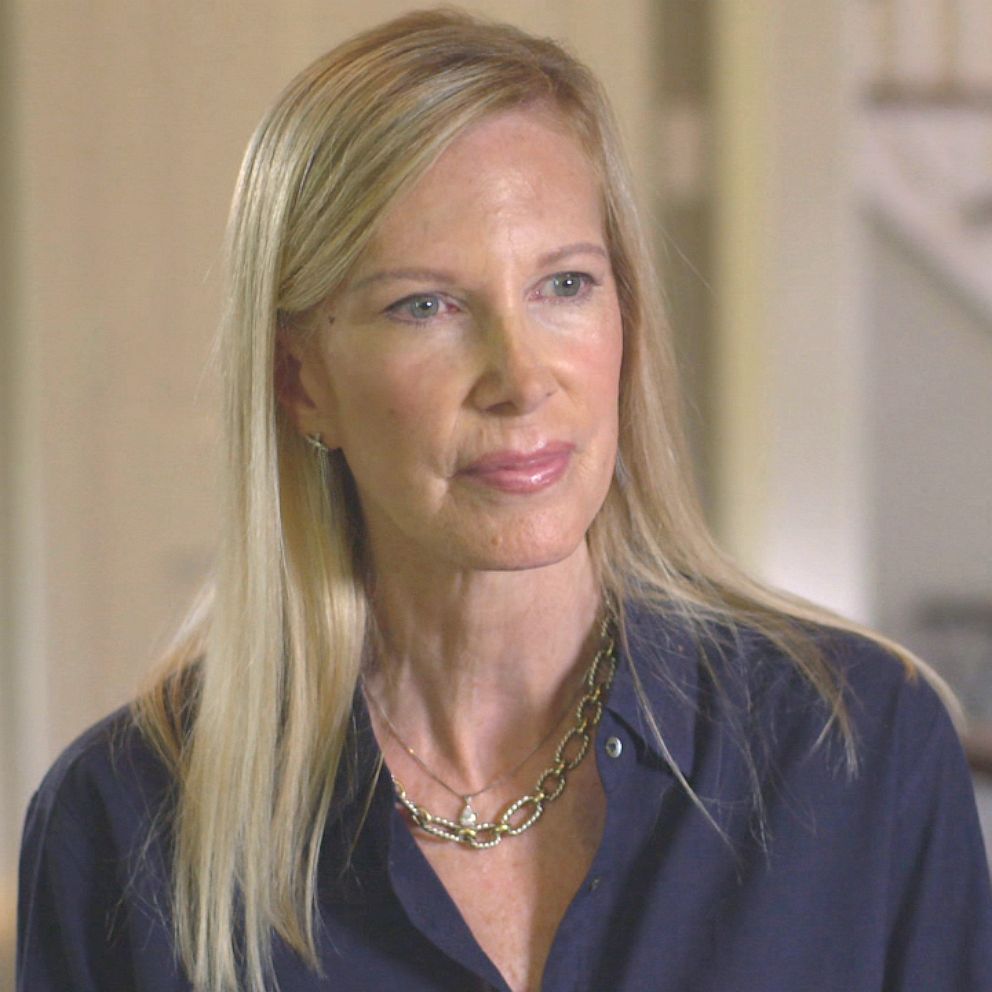
For Beth, each new message carried the possibility that the next phone call, email or tip might finally end the uncertainty. That is why the 2021 blouse episode was so devastating: it seemed to offer a physical link to Natalee, then proved to be another deception. The 2010 operation was different, but it also involved someone exploiting the family’s need for answers.
The documentary’s most important lesson may be that communication is not the same as truth. A message can be emotionally convincing and factually empty. A recorded conversation can be authentic while the claims inside it are lies. The responsible way to read the case is to separate what was said, what investigators verified, and what remains unknown.
Netflix’s Taken: Natalee Holloway premiered November 4, 2026. For the series overview and official release information, see the Netflix Media Center. For the official Aruba investigation into the later tip, consult the Aruba Public Prosecutor’s Office.
Frequently asked questions
What was the WhatsApp message about in the Natalee Holloway documentary?
In May 2021, journalist Greta van Susteren received a WhatsApp message from an anonymous person calling himself “the Fisherman.” He claimed Natalee’s body had been kept in a fisherman’s cabin and sent a blouse he said belonged to her. Investigators later determined the tip was fraudulent.
Did the blouse sent to Greta van Susteren belong to Natalee?
Investigators did not find DNA or pattern evidence linking the blouse to Natalee. Aruba’s Public Prosecutor’s Office said the information supplied through the tip did not help solve the case and that Van Susteren had been defrauded and manipulated.
What did Joran van der Sloot say in the 2010 recording?
In a meeting recorded during an FBI operation, van der Sloot offered to provide information about Natalee’s remains in exchange for money. The location story he later supplied was false, and the operation helped document the extortion scheme.
Were the 2010 emails and WhatsApp messages part of the same event?
No. They were separate episodes years apart. The 2010 communications involved van der Sloot, Beth Holloway’s attorney and an FBI operation. The 2021 WhatsApp message came from an anonymous source who contacted journalist Greta van Susteren.
Was Joran van der Sloot convicted of Natalee Holloway’s murder?
No. He pleaded guilty in the United States to extortion and wire fraud in 2023 and admitted to killing Natalee during the proceedings, but the federal conviction was not for her murder. He is serving a Peruvian sentence for the murder of Stephany Flores Ramírez.
Has Natalee Holloway’s body been found?
No. Her remains have not been recovered. The 2023 admission provided Beth Holloway with information about what happened, but it did not locate Natalee’s remains.