Netflix’s Taken: Natalee Holloway returns to a question many families of missing people understand: what happens when a parent spends years searching for answers? The three-part series follows Beth Holloway’s effort to learn what happened to her daughter, who disappeared in Aruba in 2005. Its emotional impact reaches beyond one family because Beth now helps other missing-person families and, according to her Netflix interview, has communicated with the mother of Stephany Flores Ramírez, another young woman killed by Joran van der Sloot.
There is an important limit: the reporting reviewed here does not show a coordinated public response from a group of mothers of missing children specifically reacting to the series. Nor does Netflix publish a direct statement from Stephany’s mother reviewing the documentary. The documented connection is real; a broader collective reaction should not be invented.
What the Netflix series brings back into focus
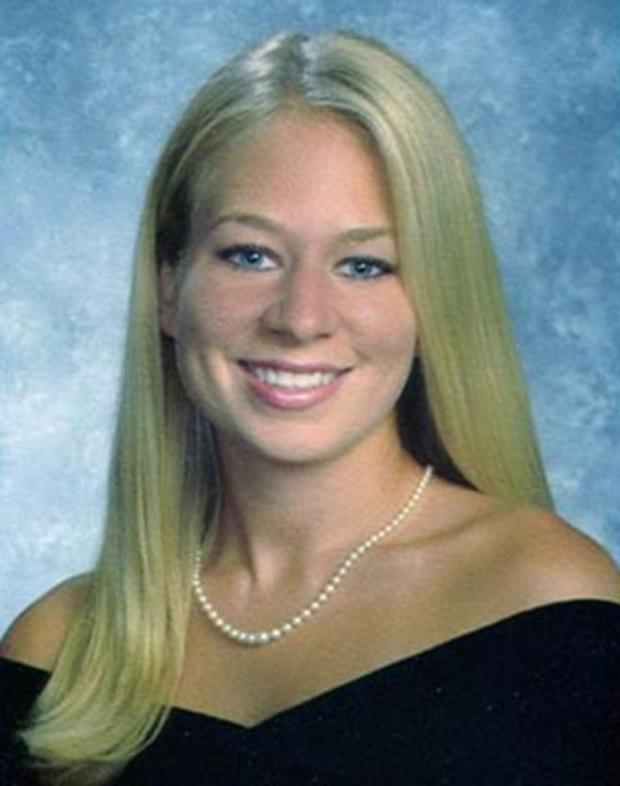
Taken: Natalee Holloway premiered on Netflix on November 4, 2026. It revisits Natalee’s disappearance during a high-school graduation trip to Aruba and the long search led by her mother. Netflix says the series includes interviews with people close to Natalee, investigators, and footage from a 2010 FBI operation that had not previously been publicly released.
In October 2023, van der Sloot pleaded guilty in the United States to federal extortion and wire-fraud charges involving an attempt to obtain money from Beth in exchange for information about Natalee. As part of the agreement, he gave an account admitting that he killed Natalee. Her remains have never been recovered, and he has not been separately charged with her murder.
For a parent watching, the emotional center is not only the confession. It is the long period before it: repeated searches, unanswered questions, failed leads, and the effort to keep a missing daughter’s name in public view. In her November 2026 interview with Netflix’s Tudum, Beth described how learning what happened changed the burden of uncertainty, even though her pursuit of legal accountability continues. An answer can end one kind of uncertainty; it cannot bring a child home or return the years a family spent waiting.
Are other mothers publicly reacting to Beth’s story?
No verified public statement from a group of mothers of missing children reacting collectively to the Netflix series was identified in the reporting reviewed. This does not mean no viewer or family member has responded privately or on social media; it means a group response cannot responsibly be presented as an established news event without attributable evidence.
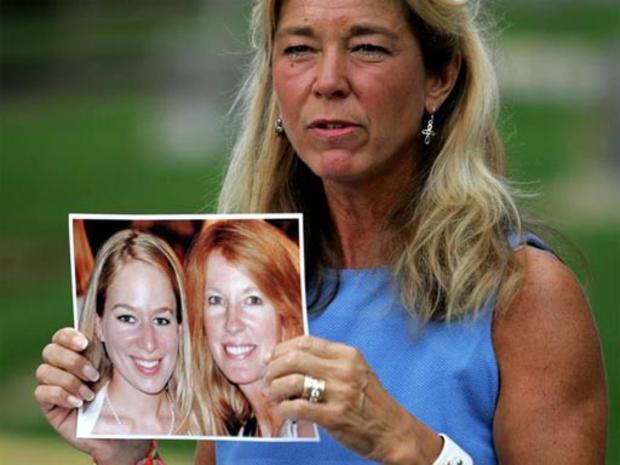
What is documented is Beth’s ongoing contact with other families. In the November 4 Tudum interview, she explained that she helps families of missing people by sharing what she learned during Natalee’s case. Sometimes, she said, her role is to facilitate communication with law enforcement or help families connect with search-and-rescue resources, personnel, and guidance. This is practical peer support—not a claim that every family’s case is alike.
The same Netflix interview says Beth communicated with the mother of Stephany Flores Ramírez, the 21-year-old Peruvian woman murdered by van der Sloot in 2010. Beth reflected on the connection between the two families and the parallel circumstances of the crimes. Netflix reports the contact, but does not publish a direct statement from Stephany’s mother about the documentary. This article therefore does not attribute an opinion or endorsement to her.
The connection is still significant. Two mothers experienced the loss of daughters whose cases became linked through the same offender, while investigations unfolded in different countries and legal systems. Stephany was a young woman with her own life, family, and future—not merely a footnote in Natalee’s case.
The Flores family’s grief was documented before the documentary
Stephany Flores was killed in Lima, Peru, in May 2010, five years after Natalee disappeared. Contemporaneous interviews recorded the shock and pain experienced by Stephany’s relatives. In a 2010 Fox News interview, her brother Enrique Flores described a pain that did not go away and a family struggling to accept what had happened; her father, Ricardo Flores, also spoke publicly during the investigation.
Those interviews are not reactions to the 2026 Netflix series. They document what relatives said at the time of Stephany’s murder. The later Tudum interview adds that Beth and Stephany’s mother communicated, but it does not turn older family interviews into a current review of the documentary. See our report on the five-year anniversary link between the Natalee Holloway and Stephany Flores cases.
Why years of not knowing can be so difficult
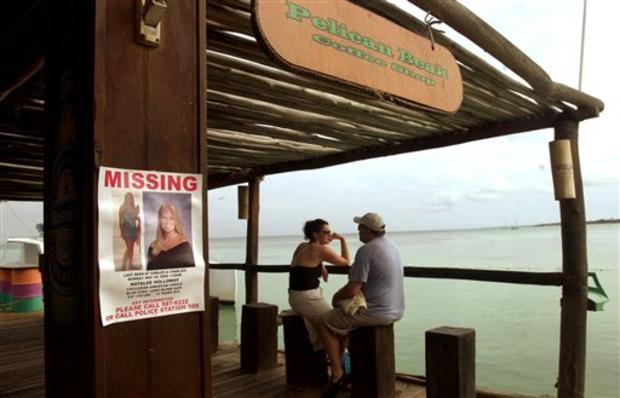
A missing-person case can leave a family uncertain about whether a loved one is alive, where to search, which lead is credible, and when authorities will provide another update. Hope and fear can exist at the same time. Natalee’s case shows how uncertainty can last for years, even when a case receives international attention.
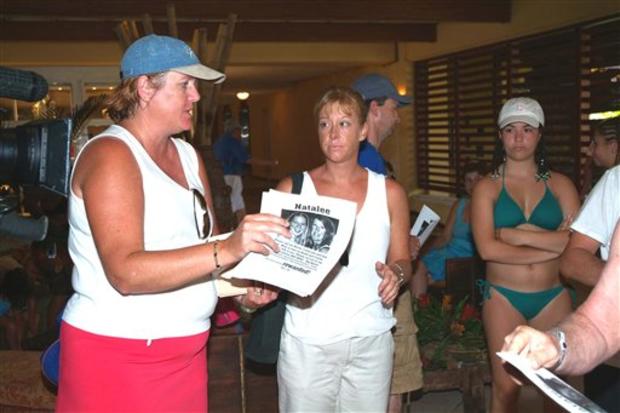
Beth’s account also reveals the work behind a public campaign: maintaining contact with investigators, evaluating tips, responding to media requests, travelling, and trying to prevent a missing person from being reduced to a headline. Her experience is specific to her family and the Aruba investigation, not a universal template for how every family should search or cope.
Her current support for other families is one constructive part of the story. Practical help—clear communication, search resources, and appropriate legal or victim-service referrals—can matter long after public attention moves on. Read our coverage of how Beth helps other missing-person families and the advocacy work connected to Natalee’s legacy.
Visibility can help, but it is not distributed equally
Natalee’s disappearance became one of the most heavily covered missing-person cases of the mid-2000s. That attention helped keep the search in public view, but it also raised questions about whose cases receive sustained coverage. The Washington Post’s 2023 examination discussed how missing white women can receive disproportionate media attention compared with missing people from other racial and socioeconomic backgrounds.
That context matters when considering how other parents might respond. A family whose missing loved one received little coverage may recognize Beth’s persistence while also feeling frustrated that not every family receives comparable media attention, resources, or institutional response. Without attributable interviews or statements, however, those reactions remain possibilities—not reported facts. It would be inaccurate to claim all mothers of missing children feel the same way about the series.

What families may recognize in Beth’s account
- The need to be heard: Families may have to repeat information and ask for updates while trying to understand an investigation.
- The strain of uncertainty: A lack of reliable information can keep hope and fear alive together.
- The value of practical help: Search resources, clear communication, and appropriate support can matter as much as public sympathy.
- The risks of exposure: Media attention can amplify a case, but it can also bring speculation, intrusive questions, and misinformation.
- Answers versus accountability: Learning what happened does not necessarily complete the legal process or end grief.
These themes arise from the documented Holloway and Flores family accounts. They are not a survey of mothers or a claim that every family responds to loss in the same way.
What Beth hopes other families take from the story
In the Tudum interview, Beth said she hopes families who fall prey to criminals understand the importance of knowing what happened, even when justice is not always achieved. She also described helping other families and pursuing a murder complaint in the Netherlands against van der Sloot. That process is separate from the U.S. extortion case and the Peruvian conviction for Stephany Flores’s murder.
Her story may offer encouragement to families still seeking answers, but it should not create an expectation that persistence alone guarantees a confession, prosecution, or recovery. Each case depends on its own evidence, jurisdiction, resources, and circumstances. Families deserve support whether or not their case becomes a documentary or a national headline.
For a closer look at Beth’s current position, read what she has said about the end of the uncertainty and her work beyond Natalee’s case.
What is confirmed—and what is not
- Confirmed: Netflix released the three-part documentary on November 4, 2026.
- Confirmed: Beth has described helping families of missing people with communication and search-resource guidance.
- Confirmed in Netflix’s interview: Beth communicated with Stephany Flores Ramírez’s mother.
- Not established: A coordinated public response from mothers of missing children specifically reacting to the Netflix series.
- Not established: A direct statement from Stephany’s mother reviewing or reacting to the documentary.
The larger conversation is about families, not headlines
The emotional impact of Taken: Natalee Holloway is rooted in a mother’s long effort to learn what happened to her daughter. Its wider significance comes from Beth’s support for other families and the connection she describes with Stephany Flores’s mother. Those are meaningful, documented links—but they do not justify claiming that all mothers of missing children have publicly reacted in the same way.
The most useful response is to listen carefully, avoid spreading unverified claims, respect relatives’ privacy, and make practical support available. A missing person is more than a case file, and a family’s grief should not have to become a television event before it is taken seriously.
Sources and further reading
- Netflix Tudum: Beth Holloway on life after the documentary, helping other families, and her contact with Stephany Flores’s mother (November 4, 2026).
- Netflix Tudum: Documentary overview and case chronology (November 5, 2026).
- CBS News/AP: 2005 archive photographs from the search for Natalee Holloway.
- Fox News: 2010 interviews with members of Stephany Flores’s family.
- The Washington Post: How the case shaped coverage of missing white women (October 19, 2023).
- The Associated Press: Van der Sloot’s 2023 guilty plea and Beth Holloway’s response.
Editorial note: This article distinguishes documented statements from interpretation and does not attribute a reaction to any family member without a published, attributable source.