For years, Beth Holloway’s name was inseparable from the search for her daughter, Natalee. Now, after the 2023 confession that answered the central question in Natalee’s disappearance, Beth says another part of her life remains active: helping families who are suddenly facing the same frightening uncertainty she once knew.
In a November 2026 interview with Netflix’s Tudum, Beth described the help she offers in practical, measured terms. Sometimes she helps a family communicate with law enforcement. In other situations, she may help them work out how to access search-and-rescue resources, personnel or guidance. She also explained that her desire to give back grew from the people who helped her family when Natalee disappeared.
The important distinction: Beth’s role is that of an experienced advocate and connector, not a substitute for police, professional search teams or emergency services. Her experience can help families understand what questions to ask and which resources may be relevant, but an active missing-person report must go to the appropriate authorities immediately.

What Beth says she does for families today
Beth’s clearest recent explanation came in Netflix Tudum’s interview about life after the documentary Taken: Natalee Holloway. She said that people who reached out to help her during the search left her wanting to share what she had learned. Her assistance can take several forms, depending on what a family needs and what is appropriate for the case.
Helping families communicate with law enforcement
When a loved one goes missing, relatives can be overwhelmed by fear, conflicting advice and unfamiliar procedures. Beth says she may help facilitate communication with investigators. That does not mean she directs an investigation or speaks on behalf of police. It means she can help a family organize questions, understand the importance of clear communication and identify what information needs to be shared with the authorities.
That distinction matters. Investigators are responsible for evaluating evidence, deciding investigative steps and coordinating official searches. A family advocate can help relatives communicate their concerns and provide information without interfering with those responsibilities.
Connecting families with search-and-rescue resources
Beth also told Tudum that she may help families navigate access to search-and-rescue resources, personnel and guidance. A search is not simply a matter of gathering volunteers and going out to look. The right response depends on the location, terrain, weather, time since last contact, known risks and the expertise required.
Families should not organize an independent search in a way that puts volunteers at risk, contaminates a scene or conflicts with official operations. A qualified search coordinator or law-enforcement agency can advise whether trained ground teams, water search specialists, aviation support, tracking dogs or other resources are appropriate.
Sharing lessons learned through painful experience
Beth has firsthand experience with the pressure that follows a disappearance: preserving information, dealing with media attention, checking leads and trying to understand which organizations can actually help. Her value to another family may be helping them avoid confusion and focus on the next useful step. It is a form of practical peer support, not a promise that every case can be solved or that one advocate can provide every service.

The Natalee Holloway Resource Center: what it is—and what it is not
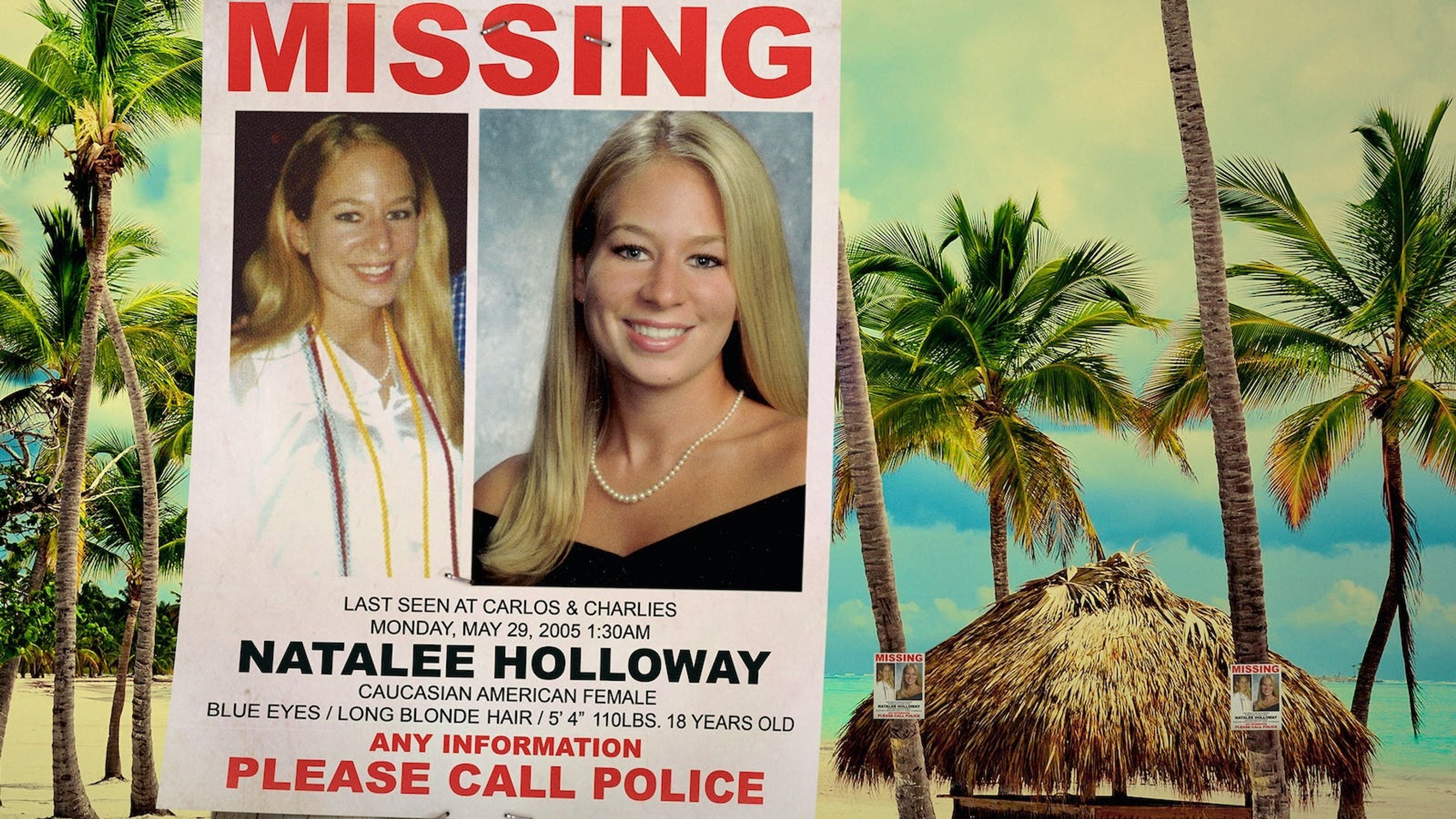
The Natalee Holloway Resource Center was created in partnership with Beth and the National Museum of Crime & Punishment to help families of missing people and promote education and crime prevention. Its original launch materials described a crisis-clearinghouse approach: helping families find contacts, prepare missing-person information, organize resources and handle media engagement.
The Crime Museum’s current online page describes the NHRC as a web-based center for education and crime prevention. It explicitly says the center is not a recovery center and instructs anyone whose loved one is missing to contact law enforcement immediately. That current description is important: families should not mistake a resource page or an advocate’s personal support for a 24-hour emergency response service.
The Crime Museum also states that its Washington, DC museum is now closed. The NHRC information page remains available online, but families should verify the current availability of any specific program or contact before relying on it for case assistance.

What families should do first when someone goes missing
Families should not wait for an advocate, nonprofit or private search group before making an official report. If someone may be in immediate danger, call 911 in the United States. Otherwise, contact the local law-enforcement agency with jurisdiction over the place where the person was last seen and explain the circumstances clearly.
- Make the report promptly. Give the investigator the person’s full name, date of birth, recent photograph, physical description, clothing, last known location, last confirmed contact and any urgent medical or safety concerns.
- Preserve information. Save messages, call records, relevant social-media activity, travel details, receipts, location-sharing information and the names of people who last saw or spoke with the missing person. Do not alter or delete potentially relevant material.
- Ask for the case details. Record the agency, report or case number, investigator’s name and the best method for providing new information. Ask how often the family should expect updates and how urgent tips should be delivered.
- Coordinate before organizing a search. Ask investigators whether volunteers are needed and whether a trained search-and-rescue organization should be contacted. Do not enter dangerous areas or disturb possible evidence.
- Use specialist databases and support services where appropriate. In the United States, the Department of Justice points families and the public to NamUs for missing, unidentified and unclaimed-person information. For a missing child, the DOJ and the National Center for Missing & Exploited Children advise contacting local law enforcement immediately and then calling NCMEC at 1-800-THE-LOST (1-800-843-5678).
NamUs is administered by the National Institute of Justice. Its public users can enter and track missing-person cases and search publicly visible information, while case entries are checked with the relevant investigating agency before publication. It is a resource that can complement—not replace—the official police report.
Why Beth’s experience can matter without replacing professional help
Families often face two difficult tasks at once: dealing with the emotional shock of a disappearance and navigating a system they may never have encountered before. A person who has lived through a major search may understand why relatives need clear points of contact, reliable information and help separating actionable leads from speculation.
But experience is not the same as investigative authority. An advocate cannot compel a police agency to take a particular step, independently verify every tip or guarantee that a search resource will be available. The strongest support respects the family’s needs while keeping official investigators and qualified specialists in their proper roles.
That is also why Beth’s description of her current involvement is notable for its modesty. She does not present herself as the person who can solve every disappearance. She describes helping with communication and connecting people to resources when she can. For a family trying to understand what to do next, that kind of guidance may be meaningful.

From Natalee’s memory to a wider message for families
The resource center was named for Natalee, but its stated purpose reaches beyond one case. The Crime Museum’s NHRC page focuses on education and crime prevention, including travel-safety information for high-school and college students. Beth has also spoken publicly about personal safety and the importance of planning ahead when traveling.
Natalee’s disappearance in Aruba in 2005 showed Beth how isolating and confusing a missing-person case can become for a family. The help she received from strangers, professionals and people who understood the search became part of the reason she wanted to share what she learned. Her recent comments suggest that this work continues in a personal, case-by-case way even as she has returned to teaching and pursued further legal accountability in Natalee’s case.
For a closer look at her broader advocacy, read our coverage of Beth Holloway’s International Safe Travels Foundation work and her AdvocacyCon appearance and ongoing work with other families.
Watch and hear Beth discuss her work
In this public Instagram post, Jay Shetty promotes his conversation with Beth Holloway about Natalee, the long search for answers and how Beth has turned her experience toward helping other families. The post is embedded from the original account.
View this post on Instagram
For Beth’s direct account of how she currently helps other families, read the Netflix Tudum interview.
Frequently asked questions
How does Beth Holloway help other missing-person families now?
Beth told Netflix Tudum that she sometimes helps families facilitate communication with law enforcement and may help them access search-and-rescue resources, personnel or guidance. The exact assistance depends on the family’s circumstances.
Does Beth Holloway personally investigate missing-person cases?
Her recent description is of advocacy and connecting families with resources, not replacing law enforcement or directing official investigations. Police agencies remain responsible for investigating reports and coordinating official searches.
Is the Natalee Holloway Resource Center still available?
The Crime Museum maintains an online NHRC information page describing it as a web-based education and crime-prevention resource. The page says it is not a recovery center and tells families to contact law enforcement immediately. Verify the availability of any specific service before relying on it.
What should a family do first if someone goes missing in the United States?
Contact local law enforcement immediately and provide the person’s identifying details, recent photograph, last known location and circumstances. If there is immediate danger, call 911. Do not delay an official report while contacting private organizations or advocates.
Can NamUs help families of missing adults?
Yes. NamUs is a U.S. Department of Justice program administered by the National Institute of Justice. It provides a national system for missing, unidentified and unclaimed-person cases. Public users can enter and track cases and search publicly visible information, subject to agency review and publication procedures.
Who should families contact if a child goes missing?
Contact local law enforcement immediately. After reporting the child missing, call the National Center for Missing & Exploited Children at 1-800-THE-LOST (1-800-843-5678). The U.S. Department of Justice and NCMEC provide additional instructions and support.
Sources and further reading
- Netflix Tudum: Where Is Beth Holloway Now? — Beth’s November 2026 interview and her explanation of helping other families.
- Natalee Holloway Resource Center — Crime Museum — current description of the web-based resource and its limitations.
- Natalee Holloway Resource Center launch announcement — original stated mission and planned family resources.
- U.S. Department of Justice: Report and Identify Missing Persons — official guidance and links for missing children and adults.
- National Institute of Justice: NamUs — official overview of the National Missing and Unidentified Persons System.
- NamUs Frequently Asked Questions — public-user access, case vetting and family participation.
- National Center for Missing & Exploited Children: Get Help Now — steps to take when a child is missing.
- AdvocacyCon FAQ — the conference’s stated role in connecting families, experts and organizations.
- Fox News: Beth Holloway addresses the search for Sudiksha Konanki — an example of Beth’s public safety advocacy.
Editorial note: This article describes Beth Holloway’s publicly reported advocacy and the published scope of the Natalee Holloway Resource Center. It does not imply that Beth or the center is an emergency service, law-enforcement agency or guaranteed provider of search assistance. Families should contact authorities first.
Author: Shivam Das