From a family crisis to a public-safety mission
When Natalee Holloway disappeared during a high-school graduation trip to Aruba in May 2005, her mother, Beth Holloway, was thrust into an international search that exposed how difficult it can be for families to respond to an emergency abroad. In the months that followed, Beth began turning what she had learned into a public message about preparation, personal safety, and the support families need when someone goes missing overseas.
In 2006, Beth founded the International Safe Travels Foundation. Its stated purpose was to inform and educate the public so people could travel internationally more safely. The foundation was an early part of a broader effort that later included the Natalee Holloway Resource Center, school-based safety education, and the Mayday360 travel-assistance initiative. These projects were related, but they were not the same organization or service.
What the International Safe Travels Foundation set out to do
The foundation’s mission was practical: help people think ahead about international travel, understand safety risks, and know where to seek assistance if an emergency occurred. The idea grew from Beth’s experience of arriving in a foreign country during a crisis and trying to identify the people, institutions, and resources that could help locate her daughter.
A 2007 account of one of Beth’s public appearances described the foundation as a resource for planning trips, returning home safely, and finding relevant information before departure. A university profile from 2010 likewise described her work as public education on safer international travel. Those descriptions show the project’s original focus: prevention and preparation, rather than an organization devoted only to the Holloway investigation.
That distinction matters. Natalee’s disappearance was the event that prompted Beth’s advocacy, but the foundation’s stated audience was much wider than one family or one case. Its message was aimed at travelers, students, and families who might need to make decisions quickly in an unfamiliar place.
The next step: a resource center for families of missing people
On June 8, 2010, Beth helped open the Natalee Holloway Resource Center at the National Museum of Crime & Punishment in Washington, D.C. The center was designed to support families dealing with a missing-person emergency and to share information that could help them navigate the critical early stages of a search.
The center’s work extended the prevention message into a second area: what families can do after a loved one goes missing. A 2010 CBS News report said the center aimed to provide support to families and reduce some of the obstacles Beth had encountered during her own search. It also planned to offer travel-safety tips for high-school and college students. In 2020, Alcatraz East Crime Museum announced a partnership with the resource center to bring travel-safety awareness programs to local schools.
It is important not to collapse these efforts into one continuous institution. The International Safe Travels Foundation, the Natalee Holloway Resource Center, and later travel-assistance projects had overlapping themes, but the available reporting describes them as separate initiatives with different roles.

Mayday360: turning travel-safety advice into an emergency response idea
In September 2010, Beth announced Mayday360, a travel and safety assistance service developed with Investigative Management Group. The announcement described a service intended to connect Americans traveling abroad with security and travel professionals who could help them understand local procedures and respond to emergencies. The proposed membership included access to a round-the-clock assistance line, travel advisories, secure storage for important travel documents, and a network of specialists who could potentially be deployed for on-the-ground help.
The announcement explained why Beth believed such a service was needed. During the first days after Natalee disappeared, she had struggled to identify the right local contacts and obtain experienced assistance quickly. Mayday360 was presented as an attempt to make that kind of guidance easier to reach for other travelers and families.
There is a difference between a launch announcement and proof of a service’s current availability. The 2010 press release documents what Mayday360 said it would offer at launch; it does not establish that the service remains operational today. Readers should not treat the old announcement as a current emergency contact or rely on it instead of official consular and local emergency services.
How the advocacy work has evolved
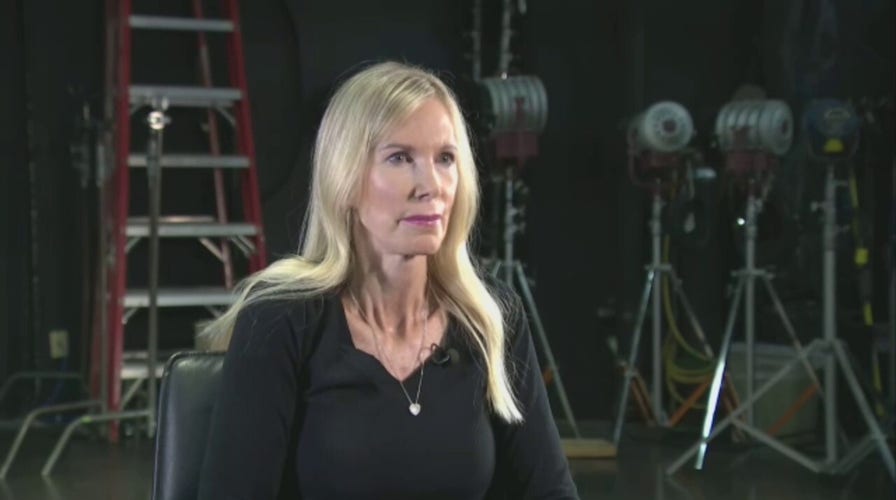
Beth’s public work did not stop with the early travel-safety projects. She has continued to speak about Natalee’s case, and recent coverage describes her helping other families of missing people by sharing experience, facilitating communication with law enforcement, and pointing people toward search-and-rescue resources and guidance when she can.
In a November 4, 2026 interview with Netflix Tudum, Beth said she had returned to public-school speech pathology after stepping away from her career for nearly a decade while searching for Natalee. She also described supporting families who contact her after a disappearance. That work is personal and practical: she can help families communicate with authorities or think through what resources might be needed, but she is not a substitute for law enforcement, professional investigators, or emergency responders.
The same interview described a new legal effort. Beth said she had been working with attorneys in the Netherlands on a murder complaint against Joran van der Sloot. He admitted killing Natalee in a 2023 proffer agreement connected to his U.S. extortion and wire-fraud case, but, as of the November 2026 Tudum interview, he had not been charged with Natalee’s death. The Dutch complaint is a separate legal development from the travel-safety work and should not be presented as an activity of the International Safe Travels Foundation.

Is the International Safe Travels Foundation still active?
This is where careful wording is essential. Historical profiles and archived material document the foundation’s creation and mission. However, recent reporting has described its former website as no longer appearing operational online. The available public evidence reviewed for this article does not independently establish the foundation’s present legal status, whether it still accepts requests, or whether it is actively delivering programs under that name.
For that reason, it would be misleading to publish an old foundation description as though it were a current service directory. The safest conclusion is narrower: Beth founded the International Safe Travels Foundation in 2006 as a travel-safety education initiative; related projects followed; and Beth continues to describe helping families of missing people as part of her work. Anyone seeking current help should contact relevant local authorities, their country’s embassy or consulate, and established missing-person organizations rather than assume that a historic foundation website or phone number is still monitored.
Why the work still matters beyond one headline
Travel safety can sound like a checklist of precautions, but families often face a much more complicated reality when an emergency happens abroad. They may be dealing with language barriers, unfamiliar police systems, time differences, transportation, local laws, and uncertainty about which organization has responsibility. Beth’s advocacy emerged from that gap between what travelers expect and what families may need when something goes wrong.
Her projects also underline a second lesson: prevention and response belong together. Preparing before a trip can help people make informed choices, while families facing a disappearance need clear information and coordinated assistance. Neither can guarantee safety, and no safety checklist can transfer responsibility for a crime to its victim. The point of education is to make useful resources easier to find and decisions easier to make under pressure.
More than two decades after Natalee disappeared, Beth’s public role has changed. The search for answers about her daughter reached a major turning point with van der Sloot’s 2023 admission. Beth now speaks about a different phase of advocacy: helping other families, returning to her profession, and pursuing further legal accountability. The International Safe Travels Foundation belongs in that history as an early effort to turn a family’s ordeal into a broader public-safety message.
Frequently asked questions
When did Beth Holloway establish the International Safe Travels Foundation?
Beth Holloway founded the International Safe Travels Foundation in 2006, after Natalee disappeared in Aruba in May 2005.
What was the foundation’s mission?
Its stated mission was to inform and educate the public so people could travel internationally more safely, including by helping travelers find relevant safety information and resources.
Was the International Safe Travels Foundation the same as the Natalee Holloway Resource Center?
No. They were separate initiatives. The foundation focused on international travel-safety education, while the Natalee Holloway Resource Center, which opened in Washington in June 2010, aimed to help families of missing people and provide prevention information.
What was Mayday360?
Mayday360 was a travel and safety assistance service announced by Beth Holloway in September 2010 with Investigative Management Group. Its launch announcement described a 24-hour assistance line and access to travel and security expertise. That historical announcement does not prove the service is still available.
Is the International Safe Travels Foundation currently operating?
Its historical mission is documented, but the public sources reviewed for this article do not establish its current legal or operational status. Recent reporting says its former website appears inactive. Do not rely on old contact details as current emergency assistance.
What advocacy work does Beth Holloway do now?
In a November 2026 interview, Beth said she had returned to public-school speech pathology and continues helping families of missing people by sharing experience and, where possible, helping them communicate with law enforcement or identify search-and-rescue resources.
Sources and further reading
- Netflix Tudum: Beth Holloway on her current work and legal efforts, November 4, 2026
- Saint Mary-of-the-Woods College: Beth Holloway, teacher, mother and advocate
- CBS News: Natalee Holloway Resource Center opening in Washington, June 8, 2010
- PR Newswire: Beth Holloway announces Mayday360, September 29, 2010
- Alcatraz East Crime Museum: 2020 travel-safety education partnership announcement
- AOL: Recent reporting on the foundation’s historic website and Beth’s current advocacy
- Investigative Management Group: Historical Mayday360 travel-safety presentation
Editorial note: This article separates documented historical programs from current activity. It does not claim that the International Safe Travels Foundation or Mayday360 is currently operating, and it does not offer historic contact information as live emergency support.