Joran van der Sloot says threats inside Peru’s Challapalca prison have reached beyond him and toward his family. That is the central allegation behind a legal request for a transfer that drew renewed attention in August 2026. Peruvian and international outlets reported that the convicted killer sought protection and a move to another facility, saying fellow inmates had threatened to kill him and had also threatened his relatives.
The distinction matters: the reported family threats are allegations contained in van der Sloot’s own petition and statements relayed by his lawyer. The public reporting reviewed for this article does not independently establish that relatives were contacted, identify any family member as a target, or document a separate threat against them. The claim is serious, but the available evidence must be described precisely.

What the prison-threat report actually says
In August 2026, van der Sloot asked Peru’s courts to move him from Challapalca, a high-security prison in the country’s southern Andes. The Associated Press reported, based on comments from his lawyer, Máximo Altez, that the request was presented to the Seventh Constitutional Court. The lawyer said his client believed his life was in danger at the facility.
Reports by América Noticias and Canal N said the outlets’ investigative unit obtained a handwritten document attributed to van der Sloot. In it, he described what he called near-daily psychological torture, alleged death threats from other prisoners, and said threats also extended to his family. He further claimed that he had been kept in the prison’s medical area for months and had limited access to ordinary activities and visits.
Those details should be read as the contents of a petition and the prisoner’s account—not as findings made after a public evidentiary hearing. A request for a transfer can put an allegation before a court; it does not, by itself, prove who made a threat, whether a threat was carried out, or whether relatives were directly approached.

Why the reference to his family drew attention
The family reference adds a disturbing dimension to the claim, but the public record described in the reports is limited. The petition reportedly says threats were made against relatives; it does not provide a verified public account naming those relatives, setting out when or where a threat was delivered, or identifying a person responsible.
That is why the wording “family also targeted” needs careful handling. It accurately reflects what van der Sloot reportedly alleged, but it should not be turned into a categorical statement that his family has been attacked or that a specific relative is in immediate danger. Neither the AP account nor the Peruvian reports cited here establish those stronger conclusions.
There is also an important difference between a threat directed at a prisoner’s family as a way to intimidate him and a direct threat communicated to a family member. The published descriptions do not provide enough independently verified detail to determine which, if either, occurred. No family member should be identified or drawn into speculation on the basis of an uncorroborated allegation.
What is known about Challapalca and the transfer request
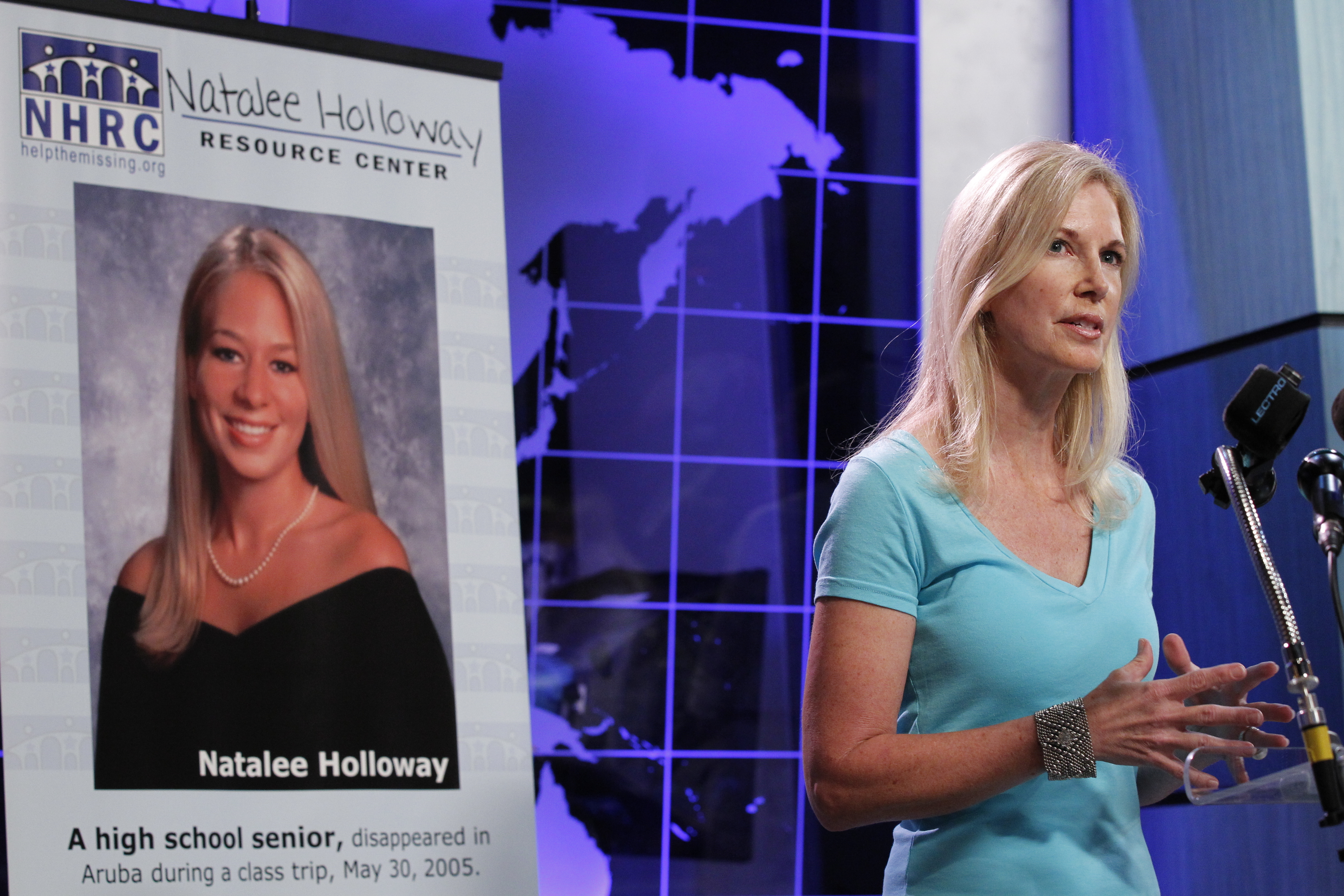
Challapalca is a remote prison in Peru’s Tacna region, high in the Andes. The setting and security regime have featured in earlier coverage of van der Sloot’s incarceration. In the August 2026 reporting, his petition reportedly referred to three inmate deaths at the prison during the year and argued that his own safety was at risk. Those figures and the account of conditions were presented as claims in the filing; they should not be mistaken for an independently audited prison incident report.
América Noticias and Canal N reported that the prison’s technical council had approved or supported a proposed transfer, while the legal request sought action from the court. The existence of a proposed transfer is not the same as confirmation that a final judicial order was issued or that a move had already taken place. The reports available for this article do not establish a completed transfer.
Van der Sloot’s lawyer also told the AP that his client wanted placement in another high-security facility. The legal question is therefore not simply whether he prefers different conditions: it is whether the relevant Peruvian authorities and court accept that the claimed risk requires a change in custody arrangements.
The legal background: two cases, two countries
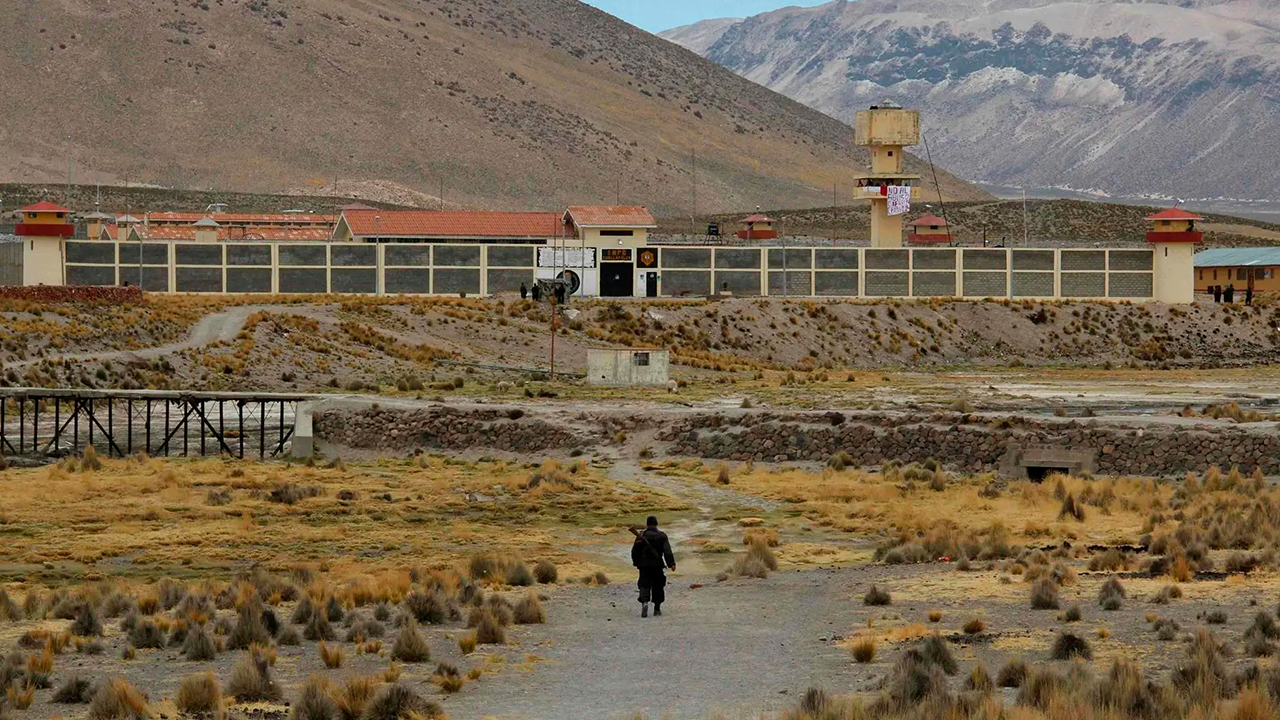
Van der Sloot is serving a 28-year Peruvian sentence for the 2010 murder of Stephany Flores Ramírez. He also pleaded guilty in the United States in October 2023 to federal extortion and wire-fraud charges connected to an attempt to obtain money from Natalee Holloway’s mother, Beth Holloway, in exchange for information about Natalee’s disappearance.
The U.S. Department of Justice said van der Sloot was sentenced to 20 years in federal prison after pleading guilty. The department’s account states that he solicited money from Beth Holloway in 2010 by promising information about her daughter’s remains and the circumstances of her death. The plea and sentence are documented legal outcomes; they are separate from the later allegations about threats at Challapalca.
For more background, read our coverage of where van der Sloot is serving time in Peru, his reported prison-transfer request, and the claims about threats and mental health in that request.

What has—and has not—been independently confirmed
- Reported: Van der Sloot sought a transfer from Challapalca in August 2026.
- Reported as his allegation: He said fellow prisoners threatened to kill him and that threats also referred to his family.
- Attributed to his filing: He described psychological pressure, isolation in a medical area, and concerns about prison safety.
- Not established by the public reports cited here: The identity of anyone who allegedly threatened relatives, direct contact with a named family member, or independent corroboration of a family-directed threat.
- Not confirmed in the reports reviewed: A final court order approving the transfer or proof that the transfer had been completed.
These distinctions are not minor. They separate a claim made by a person in custody from a fact established by investigators, prison authorities, or a court. They also prevent the relatives—who are not accused of wrongdoing—from becoming the subject of unsupported claims.
Why the allegation matters in the Natalee Holloway story
The case has repeatedly returned to the public eye because of the long search for answers after Natalee Holloway disappeared in Aruba in 2005, and because of the later criminal proceedings involving van der Sloot. His 2023 guilty plea in the U.S. extortion case gave Beth Holloway a formal legal outcome in that matter, but it did not erase the years of uncertainty or turn every subsequent claim involving van der Sloot into verified fact.
The prison petition is newsworthy because it raises questions about the state’s duty to protect people in custody, the process for reviewing a transfer request, and how authorities assess threats that a prisoner says extend to relatives. Those questions deserve scrutiny regardless of the person making the allegation. Prison safety standards should not depend on public sympathy for an inmate.
At the same time, the family-related element should be reported with restraint. Without independent confirmation or a public statement from the relatives concerned, it would be irresponsible to describe them as confirmed targets, suggest that they have been attacked, or speculate about their whereabouts or security arrangements.
What to watch next
The most useful developments to monitor are a published ruling by the relevant Peruvian court, an official statement from Peru’s National Penitentiary Institute (INPE), or on-the-record confirmation from the lawyer or authorities that a transfer has been completed. Any new account of threats against relatives should be assessed against documents, named sources, and independent corroboration—not repeated as fact simply because it appears in a petition.
For now, the accurate summary is narrower than the most dramatic headline: van der Sloot reportedly asked to leave Challapalca, alleging death threats against himself and saying his family had also been threatened. The allegations prompted legal and media attention, but the public reporting cited here does not independently verify a separate threat to a family member.
Sources and further reading
- The Associated Press: report on van der Sloot’s request to be moved to another Peruvian prison.
- América Noticias: details of the habeas corpus petition and alleged threats.
- Canal N: reporting on the handwritten document and prison allegations.
- NL Times: English-language coverage of the reported prison threats.
- U.S. Department of Justice: 2023 guilty plea and federal sentence.
Reporting note: This article distinguishes allegations in a legal filing from independently established facts. It will be updated if a court ruling or official prison statement materially changes the status of the transfer request.