The transfer request is no longer the latest development
Joran van der Sloot’s effort to leave Peru’s Challapalca prison began as a legal request, but the story changed in November 2026. In August, the Dutch prisoner asked a court to order his transfer, alleging that other inmates had threatened to kill him and that he had endured prolonged isolation. On November 7, Dutch media reported that he had in fact been moved from Challapalca to the Cochamarca prison in Peru.
The distinction matters. The reported move is real news, but the available reporting does not establish that a judge granted his August petition or that the transfer was ordered as a direct result of it. Reports published on November 9 said Challapalca was undergoing renovation and that other prisoners were also being moved. The reason for van der Sloot’s relocation should therefore be described carefully, not presented as a confirmed judicial victory.

What van der Sloot alleged in his August petition
According to reporting by Canal N and América Noticias on August 20, 2026, van der Sloot submitted a habeas corpus petition dated August 5 to the Superior Court of Justice of Puno. In a handwritten statement described by those outlets, he said fellow prisoners had threatened to kill him and had also threatened his family. He alleged that he had been kept for months in the prison’s medical area, without access to the yard, therapy, or visits, and described the conditions as near-daily psychological torture.
Those are claims made by van der Sloot in a legal filing, not independently established findings about the prison or the conduct of other inmates. The Peruvian court was identified in the reporting as the body expected to consider the petition. The coverage also said van der Sloot believed the prison’s technical council had approved a proposal for his transfer, but that the matter still required action by the competent authorities.

November 7: reports say he was moved to Cochamarca
The most important update arrived on November 7. Dutch reporting said van der Sloot contacted relatives and De Telegraaf by telephone to say he had been transferred from Challapalca to the Cochamarca penitentiary. Panorama, reporting on November 9 and citing crime journalist John van den Heuvel and RTL Boulevard, also described the move.
Panorama reported that the transfer was connected to renovation work at Challapalca and that other prisoners were being relocated as well. That detail is significant because it offers a practical explanation separate from van der Sloot’s earlier allegations of threats. The reports do not show that the court accepted his habeas corpus petition, and they do not provide a published ruling establishing that his requested transfer was granted as a remedy.
As of the latest reports reviewed for this article, the transfer to Cochamarca is reported by Dutch media based on van der Sloot’s own telephone communication and subsequent coverage. We did not locate a public statement from Peru’s prison authority, INPE, independently confirming the individual transfer. That is why the move is attributed to the reports rather than described as an officially documented INPE announcement.

Why Challapalca became central to the story
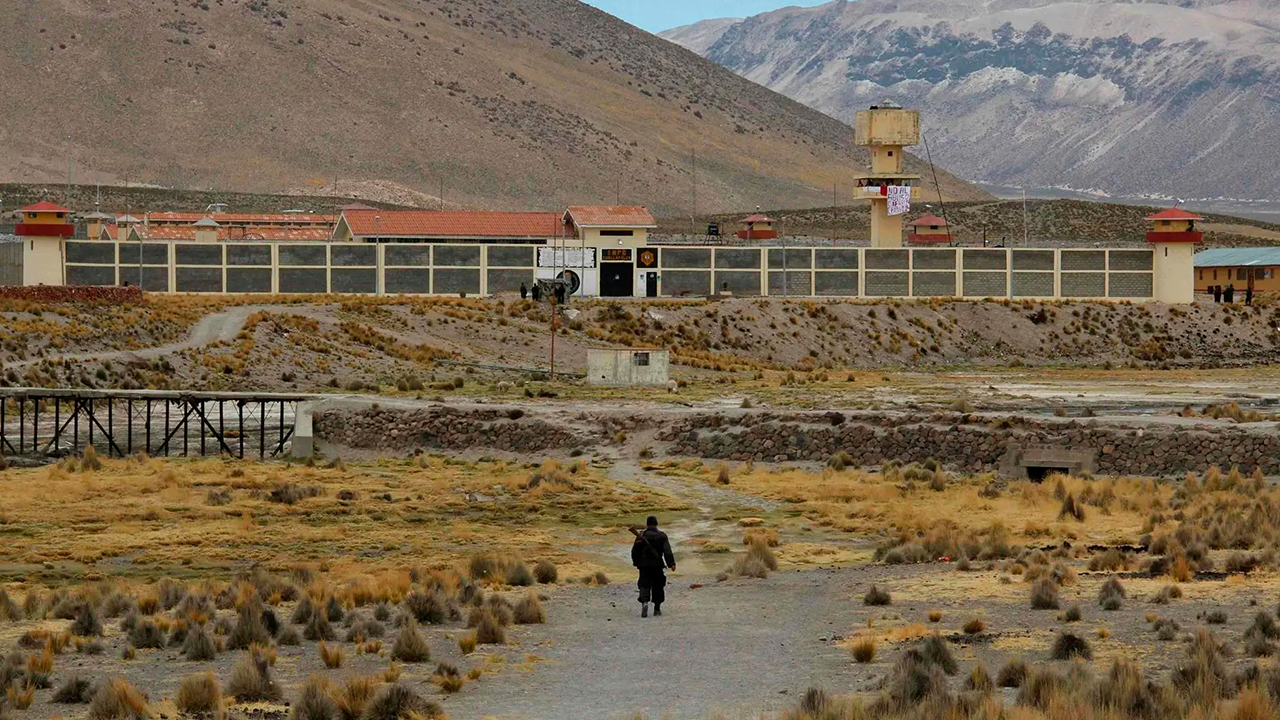
Challapalca is a high-security prison in the Tacna region, in Peru’s southern Andes. The prison authority’s own listing identifies the facility on the Tarata–Challapalca road. Official and press descriptions place it at roughly 5,000 metres above sea level, in a remote landscape that makes travel difficult. Its isolation and harsh conditions have repeatedly been part of public discussion about the prison.
That setting helps explain why a transfer request can become a major development for a high-profile prisoner. But the conditions at the institution should not be confused with proof of every allegation in an individual inmate’s petition. The claims about threats, isolation, and the treatment of van der Sloot require attribution unless supported by independent findings.
A disputed account of the December 2025 incident
The November coverage also revisited an incident in December 2025, when van der Sloot was found seriously injured in his cell. Earlier accounts described the episode as an apparent suicide attempt. In a letter discussed by Panorama on November 9, van der Sloot reportedly offered a different account, alleging that four fellow prisoners had attacked him and left him hanging. He further alleged that a former prison director persuaded him to describe the event as self-harm in exchange for a transfer that never happened.
Those claims have not been independently established in the reporting reviewed here. Panorama itself noted that the alleged arrangement between van der Sloot and the former director was unclear, and that the later transfer appeared to be associated with renovation work and the movement of other prisoners. The allegation should not be repeated as fact, and the earlier description of the 2025 incident should not be silently rewritten on the basis of a new claim from the prisoner.

What sentences is van der Sloot serving?
Van der Sloot was sentenced in Peru to 28 years in prison for the 2010 murder of Stephany Flores Ramírez. In October 2023, he pleaded guilty in federal court in Alabama to extortion and wire fraud connected to his attempt to obtain money from Natalee Holloway’s mother, Beth Holloway, in exchange for information about Natalee’s remains. The U.S. Department of Justice said he received a 20-year federal sentence.
The U.S. sentence was structured to run concurrently with the Peruvian sentence under the plea arrangement. The U.S. case was not a murder prosecution for Natalee’s death: the federal convictions were for extortion and wire fraud. Van der Sloot admitted to killing Natalee as part of the 2023 plea process, but that admission should not be confused with a separate murder conviction in Aruba or Peru.
For the background to that legal distinction, see our coverage of the status of the Dutch murder complaint and where van der Sloot was reported to be serving his sentences in Peru.
What is confirmed — and what remains unclear
- Confirmed reporting: In August 2026, Peruvian media reported that van der Sloot had filed a habeas corpus petition seeking a transfer from Challapalca.
- His allegations: He said he faced death threats, threats against his family, and prolonged isolation. These remain allegations unless independently established.
- Latest reported development: Dutch media reported on November 7 that he had moved to Cochamarca, after contacting relatives and De Telegraaf.
- Reported reason: November 9 coverage linked the relocation to renovation work at Challapalca and said other prisoners were being moved too.
- Not established: The reporting reviewed here does not show that a court granted his August petition or that INPE publicly confirmed the individual transfer.
Frequently asked questions
Did Joran van der Sloot ask to leave Challapalca prison?
Yes. Peruvian media reported that he filed a habeas corpus petition dated August 5, 2026, alleging threats and unsafe conditions and seeking a transfer to another prison.
Was van der Sloot transferred from Challapalca?
Dutch media reported on November 7, 2026, that he had been moved to the Cochamarca penitentiary. The reports attributed the information to a telephone call he made to relatives and De Telegraaf. We did not locate a public INPE statement independently confirming the transfer.
Did a judge approve his transfer request?
The available reports do not establish that a judge granted his August habeas corpus petition. The November coverage instead linked the move to renovation work at Challapalca and the relocation of other prisoners.
What did van der Sloot say about the threats?
In the petition described by Canal N and América Noticias, he alleged that inmates threatened to kill him and his family and that he had been isolated in the prison’s medical area. These are allegations from his filing, not independently verified findings.
Where is Cochamarca prison?
November 2026 reports identify Cochamarca as the prison to which van der Sloot was transferred in Peru. The reports reviewed here did not provide enough independently verified detail about the facility’s exact location or regime to make further claims.
Was van der Sloot convicted of Natalee Holloway’s murder?
No separate murder conviction for Natalee’s death is established by the U.S. federal case. In October 2023, he pleaded guilty to extortion and wire fraud in Alabama and admitted to killing Natalee as part of the plea process. He was sentenced in Peru for the 2010 murder of Stephany Flores Ramírez.
Sources and reporting notes
- América Noticias / Canal N: August 20, 2026 report on the habeas corpus petition
- Canal N: Van der Sloot’s reported allegations about threats at Challapalca
- Panorama: November 9, 2026 report on the Cochamarca transfer and his new allegation about the 2025 incident
- NieuwsIndex summary of the November 7 De Telegraaf report about the transfer
- U.S. Department of Justice: October 18, 2023 guilty plea and sentence
- Peru’s INPE: official listing for Challapalca penitentiary
Editorial note: This article separates court filings and allegations from independently established facts. The November transfer is attributed to Dutch media reports based on van der Sloot’s reported telephone communication; no public INPE confirmation was located during research. Image captions identify location photographs as context and do not imply that they depict the transfer or any alleged incident. Image use remains subject to the original publishers’ rights and terms; the 2023 booking image is identified as public domain by its Wikimedia Commons source.