For more than two decades, the disappearance of Natalee Holloway has been told through breaking-news alerts, televised panels, police briefings, anniversary specials and competing theories. Netflix’s three-part Taken: Natalee Holloway arrives after a major turning point in the case: Joran van der Sloot’s 2023 admission, made in a U.S. federal proceeding, that he killed Natalee. That timing changes the shape of the story. Earlier coverage was often built around an unresolved question. This documentary can trace the search, the investigation, the media storm and the eventual admission in one chronological account.
But the difference is not simply that the series has an ending. Its point of view, access to people connected to the case, use of archival material and attention to the long aftermath give it a different emotional structure from the daily news cycle that once surrounded Natalee’s disappearance. Netflix describes the series as a three-part account centered on Beth Holloway and people who were with Natalee before she vanished, with previously unseen footage and interviews. Netflix’s official synopsis identifies directors Dani Sloane and Matthew Galkin and production company Story Syndicate.
Quick answer: Taken: Natalee Holloway feels different from much of the earlier coverage because it is a retrospective, multi-episode narrative told with the benefit of the 2023 confession, direct participation from Beth Holloway and other people connected to the case, and a longer view of how the investigation and media attention affected those involved. It is not a brand-new answer to every question, and it should not be mistaken for a court judgment convicting van der Sloot of Natalee’s murder.
Earlier coverage was shaped by an unanswered disappearance
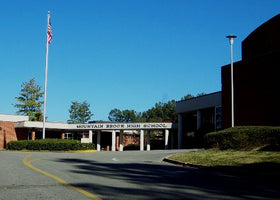
When Natalee, an 18-year-old from Mountain Brook, Alabama, disappeared during a high-school graduation trip to Aruba on May 30, 2005, reporters were covering a developing missing-person case. The immediate questions were practical and urgent: when had she last been seen, who had been with her, what did investigators know, where could search teams look, and would she be found alive?
As the search continued, each new development could change the story. Arrests, releases, interviews, disputed accounts, public appeals and tips were reported as they happened. That kind of coverage is necessarily fragmented. A television segment or newspaper update can report what is known at a particular moment, but it cannot know which leads will later prove unreliable or how the investigation will eventually unfold.
The passage of time also changed the subject of the coverage. In the early months, the focus was on the search and the investigation. Later reports revisited the case through anniversaries, legal developments, Beth Holloway’s continuing efforts and the wider consequences of the intense media attention. The documentary can place those phases beside one another rather than treating every development as a separate breaking-news event.
Beth Holloway’s perspective gives the story a personal center
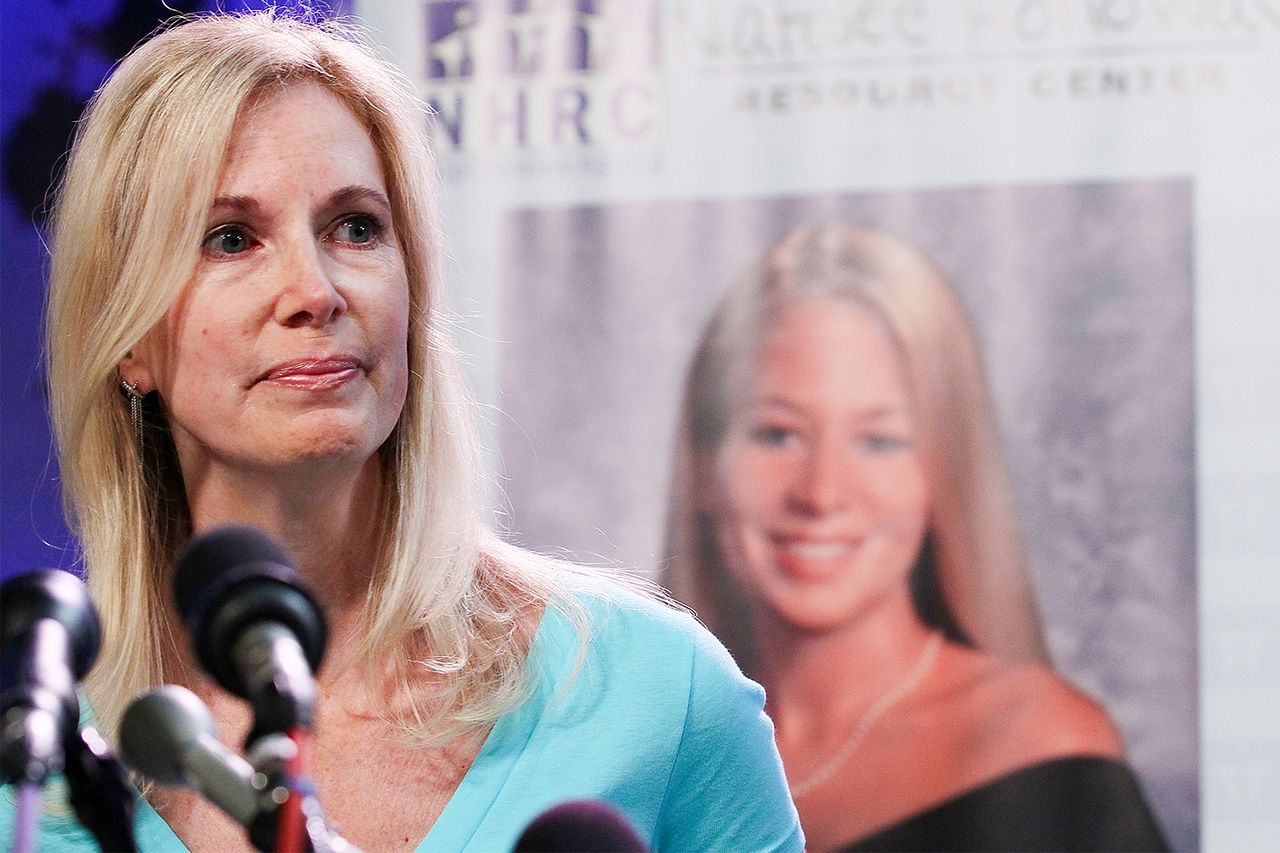
One of the most consequential differences is whose experience organizes the narrative. News coverage often had to move among police, prosecutors, lawyers, family members, reporters and commentators. Taken gives Beth Holloway a central role in recounting the years-long search for her daughter. Netflix’s Tudum interview published around the premiere says Beth felt the time had come to tell a comprehensive, chronological account after the 2023 conclusion gave her answers she had sought for years.
That perspective changes the emotional scale. The story is no longer only about the sequence of investigative developments; it is also about what it meant to keep searching, to challenge official explanations, to deal with public scrutiny and to live with uncertainty. The documentary’s focus on a mother’s experience can help viewers understand why certain moments mattered to the family even when those moments did not immediately produce a legal result.
A family-centered account is still a perspective, not a substitute for every other record. Viewers should distinguish Beth’s memories and interpretations from documented investigative facts, statements by other participants and conclusions reached in court. The strongest way to watch is to take the personal account seriously while remaining attentive to who is speaking and what kind of evidence supports each claim.

The documentary can show the investigation as a longer chain of events
Another difference is structure. A three-episode series has room to connect the early search in Aruba with later developments in the United States and Peru. Netflix says the series includes people who were with Natalee before she disappeared, investigators, journalists, retired FBI agents and others involved in the search. The company also says the series includes footage from a 2010 FBI operation that had not previously been publicly released.
That material matters because the case did not stop when the first wave of news coverage faded. In 2010, van der Sloot attempted to obtain money from the Holloway family in exchange for information about Natalee’s remains. The FBI operation and the resulting federal extortion and wire-fraud case became another major chapter. Van der Sloot later went to Peru, where he was convicted of murdering Stephany Flores. In 2023, he was temporarily transferred to the United States and pleaded guilty to extortion and wire fraud; during the proceedings he admitted killing Natalee.
It is important to state the legal distinction precisely. Van der Sloot’s admission about Natalee was part of the federal plea process, but the U.S. case did not result in a murder conviction for Natalee’s death. The confession is a major development and an answer Beth had sought, but it is not the same thing as a court judgment convicting him of that murder. The documentary’s retrospective framing should not blur that difference.
Access to witnesses and investigators changes what viewers can compare
Netflix’s official materials identify interviews with Natalee’s friends Madison Greer and Claire Fierman, family friend Sue Remick, attorney John Kelly, Aruban businessman Charles Croes, journalist Dilma Arends Geerman, cameraman Tony Zumbado, former deputy police chief Gerold Dompig and retired FBI agents Alexandra Montilla and Michael Leverock. The presence of people with different roles allows the series to compare recollections and professional perspectives rather than relying on a single narrator.
That does not mean every participant agrees, or that a documentary interview automatically settles a disputed detail. Memories recorded years later can differ. Investigators may describe decisions from an institutional perspective, while family members remember the same period through the fear and urgency of the search. Journalists can explain what they reported and what they could not independently verify at the time.
For viewers, the useful question is not simply whether a new interview is dramatic. It is what the person was in a position to know, when they learned it, whether their account is supported by contemporaneous records, and whether another source provides a different version. A well-considered documentary invites that comparison; it does not remove the need for it.
It revisits the media circus instead of treating it as background noise
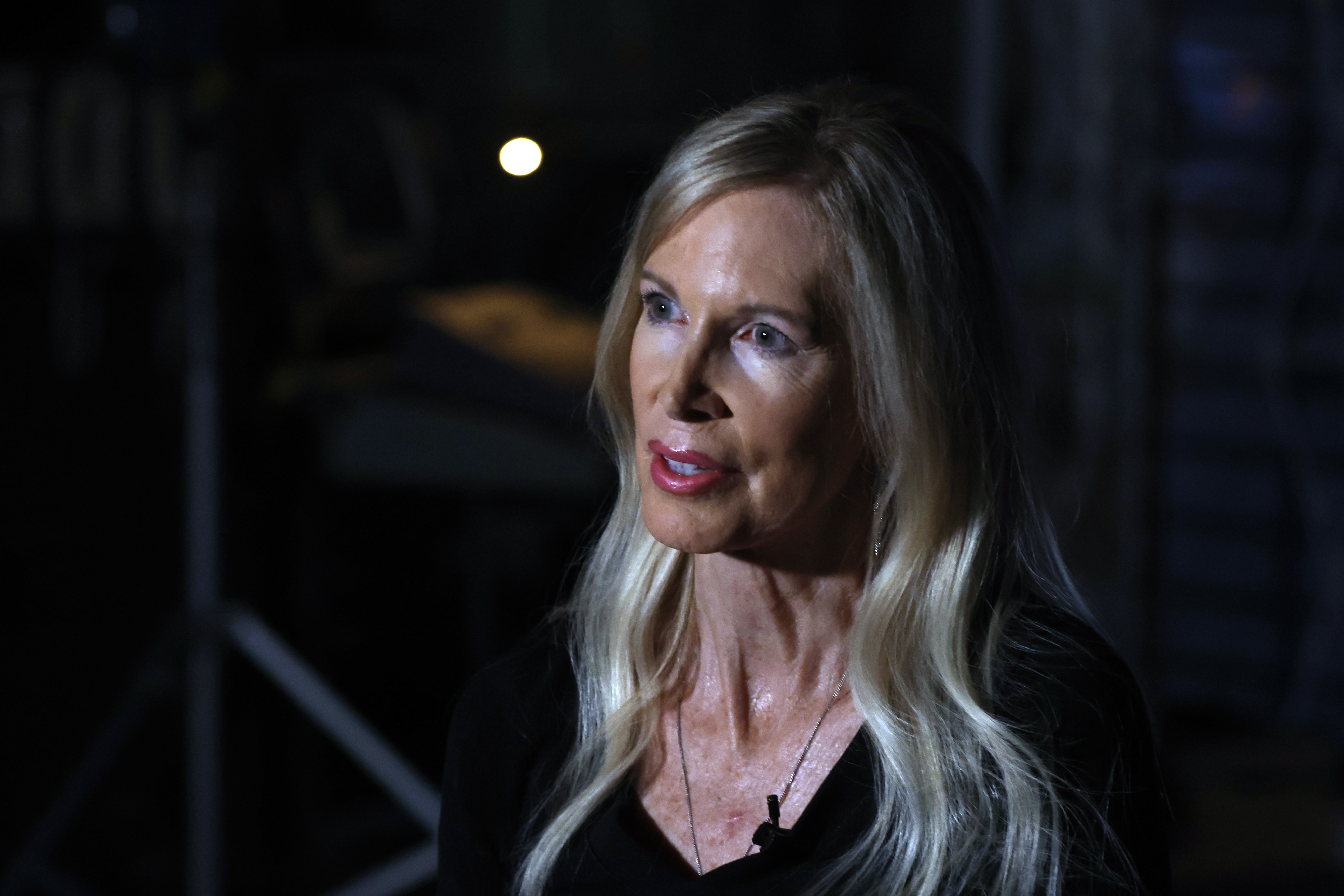
The Natalee Holloway case became a major international media story. The volume of coverage shaped how the public understood Aruba, the investigation and the people at the center of the case. It also created pressure: information was demanded before investigators could necessarily verify it, and early claims could be repeated widely before later reporting added context.
Recent reviews have noted that the documentary spends time on the media attention and the tensions between American coverage and Aruban authorities. The National’s review, for example, describes how the series revisits the scrutiny directed at local investigators and the resentment that developed around portrayals of their work. That is an important part of the story because the media response did not merely report the case; it became one of the forces shaping the experience of those involved.
Looking back allows the series to show the consequences of that attention with more distance than a live broadcast could. It also gives viewers a chance to consider how quickly public certainty can form around partial information. That lesson remains relevant well beyond this case: a missing-person investigation deserves urgency, but urgency does not excuse presenting speculation as fact.
What feels different is not necessarily what is new
Some viewers familiar with the case may not find every episode revelation new. Reviews have differed on how much previously unknown information the series adds. The National wrote that the series offers a comprehensive account and emotional context but does not fundamentally change what is already known. Other reviews have emphasized the value of hearing Beth and people close to the investigation revisit the experience.
Both reactions can be true. A documentary can add value through chronology, access, archival footage and personal testimony even if it does not overturn the established record. Conversely, a new interview or previously unseen clip should not be described as a breakthrough unless it genuinely changes the factual understanding of the case.
The most defensible description is that Taken offers a new presentation and a more complete retrospective framework, not that it solves every remaining uncertainty. Natalee’s remains have not been recovered, and the legal status of the 2023 admission should be described accurately. A careful account can acknowledge the answers Beth received while also recognizing what remains unresolved.
Why the series may affect viewers differently now
Timing matters. The 2005 coverage unfolded while Natalee was missing and her family was still searching. The Netflix series arrives after the 2023 admission and after more than twenty years of public attention. Viewers can watch the early chapters knowing that the story will eventually reach a confession, even though the people in those early scenes did not know that future.
That creates a different emotional experience. The audience sees the uncertainty and frustration of the first days alongside the knowledge of what came much later. The documentary can also restore attention to Natalee as a young woman with friends, plans and a future, rather than allowing the investigation alone to define her memory.
For Beth, the series is also a chance to tell the story in a form that connects the early search with the later admission. Netflix’s interview with her describes the importance of having a conclusion before revisiting the case in a comprehensive way. Viewers should hear that as her explanation of the timing, not as a claim that every legal or factual question has been answered.
Watch the official trailer and read the primary sources
Netflix’s official trailer and series page provide the production’s own description and episode information. They are useful starting points, while independent reporting helps place the documentary’s claims in a broader record.
Watch Taken: Natalee Holloway on Netflix · Watch the official Netflix Tudum trailer · Read Netflix Tudum’s series guide.
Frequently asked questions
How is Taken: Natalee Holloway different from earlier TV coverage?
It is a three-part retrospective centered on Beth Holloway and people connected to the case. It can connect the 2005 disappearance, the years-long search, later investigative developments and the 2023 admission in one chronological narrative.
Does the Netflix documentary reveal information that was never reported before?
Netflix says the series includes previously unseen footage and interviews. Whether a particular detail is genuinely new should be assessed individually against earlier reporting and official records. Some reviewers have said the series adds context more than it changes the established account.
Why is Beth Holloway central to the documentary?
Netflix presents the series as Beth’s account of her daughter’s disappearance and her long pursuit of answers. Her perspective gives the documentary an emotional through-line across the search and the later developments.
Did Joran van der Sloot receive a murder conviction for Natalee Holloway’s death?
No. In October 2023 he pleaded guilty in U.S. federal court to extortion and wire fraud and admitted killing Natalee during the proceeding. That federal case did not convict him of Natalee’s murder.
Were Natalee Holloway’s remains found?
No. Netflix’s series guide and reporting on the case state that her remains have never been recovered.
Is the documentary the final word on the Natalee Holloway case?
No documentary should be treated as the final word on every question. It is a retrospective account based on interviews and footage; viewers should compare its presentation with court records, official statements and independent reporting.
Sources and further reading
- Netflix Media Center: Taken: Natalee Holloway — official synopsis, directors and production details.
- Netflix Tudum: Beth Holloway Tells the Full Story of Natalee’s Disappearance — series guide, interview context and participants.
- Netflix Tudum: Where Is Beth Holloway Now? — Beth’s post-series perspective and current efforts.
- The National: Netflix Reopens the Natalee Holloway Case — independent review of the series’ approach and media-history context.
- Decider: Taken: Natalee Holloway Review — another assessment of the documentary’s narrative and emotional focus.
- Anchorage Daily News: Confession Gives Family Long-Sought Answers — Associated Press reporting on the 2023 federal proceedings.
- CBS News: Natalee Holloway — Paradise Lost — archival case photographs and captions.
Editorial note: This article distinguishes the documentary’s perspective, independent reviews and established legal facts. Van der Sloot’s 2023 admission was made in connection with federal extortion and wire-fraud proceedings; it was not a U.S. murder conviction for Natalee’s death.
Author: Shivam Das