The renewed attention surrounding Netflix’s Taken: Natalee Holloway is bringing an uncomfortable question back into family conversations: what should schools, parents and students expect from a high-school senior trip when teenagers are traveling far from home? The series revisits the 2005 disappearance of 18-year-old Natalee Holloway during a graduation trip to Aruba. It also puts the choices, assumptions and gaps in supervision surrounding group travel under a fresh spotlight.
The debate should not become a trial of Natalee’s friends, classmates or family. Hindsight can make decisions look obvious when they were not obvious to the people making them at the time. The more useful response is to examine what schools and families can put in place today: clear supervision, reliable check-ins, safe transportation, emergency plans, and rules that teenagers understand before they leave.
Quick answer: A safer senior trip needs more than a permission slip and a list of chaperones. It needs a written plan for where students may go, who is responsible for each group, how attendance is checked, what happens if someone becomes separated, and how adults respond when plans change.
Why Natalee Holloway’s senior trip is part of the conversation again
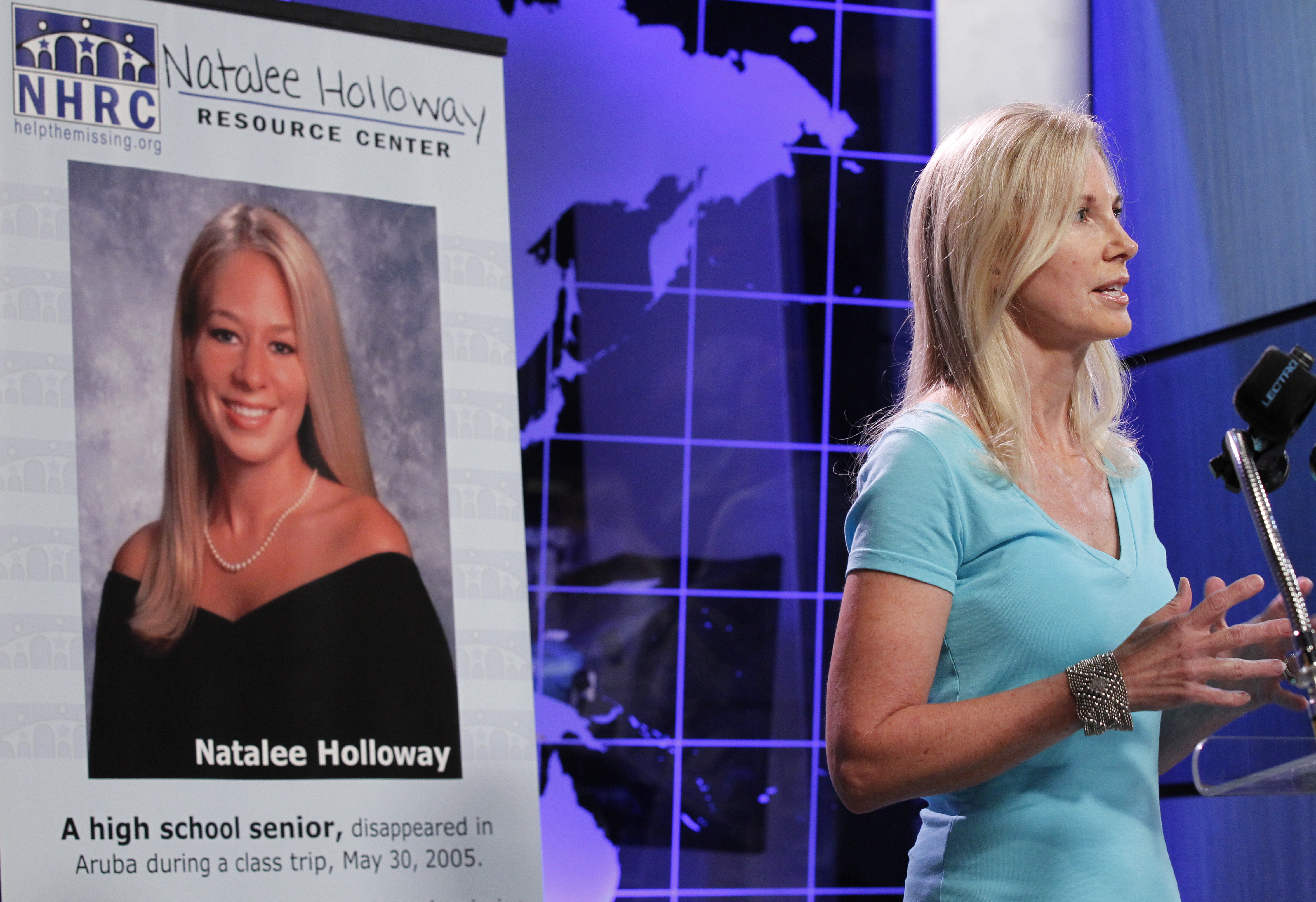
Natalee Holloway disappeared on May 30, 2005, while on a high-school graduation trip to Aruba with classmates. Contemporary reporting described a trip involving more than 100 students. Her disappearance became an international case and, for her family, a years-long search for answers. In October 2023, Joran van der Sloot admitted killing Natalee as part of a U.S. federal plea agreement involving extortion and wire fraud; he was not convicted of Natalee’s murder in that proceeding. Netflix’s three-part documentary, released in the United States on November 4, 2026, revisits the case through Beth Holloway and people connected to the investigation.
That context matters. The documentary is not a school-safety audit, and it does not establish that one universal set of trip rules would have prevented the crime. It does, however, give viewers a reason to revisit practical questions that arise whenever teenagers travel in large groups: Who knows where each student is? What does “free time” mean? How quickly does an adult notice a missed check-in? What happens when a student wants to leave a venue with someone outside the group?
Those are planning questions, not accusations. The people who were teenagers on that trip should not be expected to carry responsibility for a crime committed by a perpetrator. A responsible discussion separates an offender’s actions from the safeguards institutions can improve.

The real weakness in many trip plans: unclear responsibility
A group is not automatically supervised simply because adults are somewhere nearby. A large trip needs named responsibility. Students and chaperones should know who leads each group, who takes attendance, who carries emergency information, and who is the backup if a chaperone becomes ill or is pulled away to help a student.
There is no single chaperone-to-student ratio that fits every trip. The right number depends on students’ ages and needs, the destination, activities, length of travel, use of public spaces, and whether students will have periods of independent movement. United Educators’ guidance recommends considering a trip’s complexity and duration rather than relying on a one-size-fits-all number. Its risk-management advice also recommends at least two chaperones and additional adults where the itinerary or group structure calls for them.
For schools, the practical standard should be stronger than “we have enough adults.” Each student should be assigned to a specific adult-led group. If students split into smaller groups for a museum, shopping area or meal, each group needs a named leader, a head-count process and a clear return time. A buddy system can add awareness, but it is not a replacement for adult supervision.

Five safeguards schools should make non-negotiable
1. A written itinerary with defined boundaries
Students and parents should receive the itinerary before departure, including hotel details, transportation plans, scheduled activities, approved free-time areas, curfews, meeting points and trip leaders. “Stay in the area” is too vague. Students need to know which locations are permitted, when they must return and whom to contact if a plan changes.
2. Check-ins that are active, not assumed
Attendance should be checked at departure, arrival, after transitions and at agreed intervals during free time. A group chat can help, but a message saying “everyone here?” is not a reliable head count. A named adult should confirm each student’s location and record missed check-ins. If a student does not respond, the plan should say who checks the last known location and who alerts the trip leader.
3. Clear rules for leaving a group or meeting new people
Teenagers should be told plainly that they may not leave an approved group or venue with someone who is not part of the trip without explicit permission from the designated adult. The rule should apply even when the person seems friendly or familiar. Students should be able to say, “I need to check with my chaperone,” without feeling embarrassed or pressured.
4. Emergency contacts and a missing-student response plan
Every trip needs a written response plan for a missing student, injury, illness, transportation failure or other emergency. It should identify the trip leader, school contact, local emergency services, nearest appropriate medical facility, parent-notification responsibilities and a backup communication method if phones fail. Staff should rehearse the first steps before leaving, not invent them under pressure.
5. Accommodation, transport and activity checks
Schools should assess the actual hotel, transport provider and planned activities—not just rely on a brochure. For overnight travel, check rooming arrangements, access controls, fire-safety information, supervision expectations and how students can reach staff at night. For water-based or adventure activities, confirm qualified supervision, safety equipment and emergency access. CDC school-health guidance emphasizes assessing off-campus locations, access to phones and emergency care, first-aid readiness and adequate supervision.

What parents should ask before approving an overnight or international trip
Parents do not need to manage the trip themselves, but they can ask for the plan in writing. Useful questions include:
- Who is the lead chaperone, and who is the backup?
- How are students assigned to groups, and when are head counts taken?
- What are the rules for free time, nightlife areas, swimming, rides and leaving a venue?
- How will the school contact families during an emergency?
- What happens if a student misses a check-in or cannot be reached?
- Has the school checked the destination, hotel, transportation company and activity providers?
- Are medical needs, medication, allergies, accessibility and travel insurance addressed?
- What is the plan if a student becomes ill, is injured or needs to return home early?
For international travel, families should also review current U.S. Department of State destination information and make sure students know how to reach the trip leader and local emergency services. The school should explain how it will respond if a flight is cancelled, a passport is lost or a student needs medical care abroad.

What students should know before they get on the bus or plane
Safety rules work best when students understand them and have a voice in the plan. Before departure, a school should hold a briefing that covers the itinerary, boundaries, buddy arrangements, check-in times, transportation rules, local laws, alcohol policies, emergency contacts and what to do if someone feels uncomfortable. Students should be encouraged to speak up early, including when a friend is missing, a group is splitting up or an adult’s instruction is unclear.
Schools should avoid framing safety as a warning that teenagers are responsible for preventing every bad outcome. The responsibility for supervision belongs to the adults and institutions organizing the trip. Students can make safer choices, but they cannot control another person’s criminal behavior. That distinction is essential in any discussion of Natalee Holloway’s story.

The documentary’s debate should lead to better planning, not online blame
True-crime documentaries often bring old decisions back into public view. That can create a rush to judge people who were young, frightened or working with incomplete information. In Natalee’s case, the lasting public conversation should not reduce her life to the final hours of a trip or turn her classmates into convenient targets for criticism.
A better outcome would be for schools to review their travel policies, parents to ask sharper questions and students to receive practical safety briefings that respect their growing independence. A trip can be exciting and educational while still having firm rules, accountable adults and a realistic emergency plan. That is not overprotection. It is responsible preparation.
For readers following the wider case, our earlier report, Natalee Holloway Senior Trip Friends Speak: What They Saw the Night She Vanished, looks at the trip and the accounts revisited in the documentary.
Watch the official series announcement
Netflix’s official post introduced the documentary to viewers and renewed attention to Natalee’s story. The embedded post is a primary promotional source; comments on a social platform should not be treated as representative public opinion.
View this post on Instagram
Read the official Netflix Media Center synopsis for the series’ release information and production details.
Frequently asked questions
Did Natalee Holloway disappear during a school-sponsored senior trip?
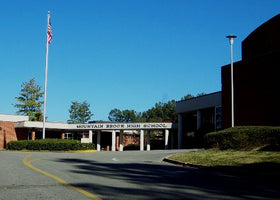
Natalee disappeared in Aruba on May 30, 2005, during a graduation trip with classmates from Mountain Brook, Alabama. Contemporary reports described it as a senior-class trip. Families should check the precise status and supervision arrangements of any trip rather than assume all graduation trips are formally school-sponsored.
Does the Netflix documentary prove that different trip rules would have prevented Natalee’s disappearance?
No. The documentary revisits the case and the people involved, but it does not prove that a particular supervision rule would have prevented the crime. The practical value is in reviewing safeguards that schools can control today.
What is a sensible chaperone-to-student ratio for a senior trip?
There is no universal number suitable for every destination and activity. Schools should follow applicable state and district requirements and assess students’ ages, group size, itinerary, overnight arrangements, activities and emergency access. More complex trips generally require more supervision.
What should a school do if a student misses a check-in?
The written plan should identify who verifies the student’s last known location, who alerts the trip leader and school contact, when local emergency services are contacted, and who communicates with the family. Staff should not wait until the end of the day to resolve an unexplained absence.
What should parents ask before an international senior trip?
Ask for the full itinerary, named chaperones, supervision plan, hotel and transport checks, emergency contacts, medical arrangements, communication procedures, insurance information and the plan for a missing or injured student. Ask how the school will handle changes to the itinerary.
Are students responsible for keeping themselves safe on a school trip?
Students should understand boundaries and speak up when something feels wrong, but adults and the school remain responsible for planning, supervision and emergency response. Safety education should empower students without shifting institutional responsibility onto them.
Sources and further reading
- Netflix Media Center: Taken: Natalee Holloway — official synopsis and U.S. release information.
- CBS News: Natalee Holloway — Paradise Lost — archival photographs and captions from 2005.
- CDC: School Health Guidelines to Prevent Unintentional Injuries and Violence — off-campus safety, supervision, first aid and emergency access.
- United Educators: Determine Chaperone-to-Student Ratios for School Trips — risk-based supervision considerations.
- District of Columbia Public Schools: Field Trip Policy — a U.S. district example of written travel and emergency procedures.
- CDC: Preparing for a School Emergency — school emergency planning and coordination.
- PEOPLE: What to Know About Natalee Holloway’s Disappearance — recent case background.
Reporting note: This article distinguishes documented facts about Natalee Holloway’s case from general school-travel recommendations. It does not assign blame to Natalee, her classmates or her family.
Author: Shivam Das
Archival video: Beth Holloway reflects on the case
This Associated Press Archive video includes Beth Holloway speaking publicly after the 2023 court proceedings and archival material related to Natalee’s case. It is included as historical context, not as a school-safety training video.
Video source: AP Archive on YouTube.