In the early hours of May 30, 2005, 18-year-old Natalee Holloway left a nightclub in Oranjestad, Aruba, and was seen getting into a car with three young men, including 17-year-old Joran van der Sloot. That departure is the last sighting consistently identified in the central public record. What happened after the car pulled away became the subject of conflicting accounts, a long-running investigation, and van der Sloot’s 2023 admission that he killed Holloway.
Revisiting the final confirmed movements means separating what classmates and contemporaneous records established from what the men later said, what investigators could corroborate, and what van der Sloot eventually described in a U.S. court proceeding. The distinction is essential: a timeline should not turn disputed statements into witnessed facts.
The final night began as a graduation-trip celebration
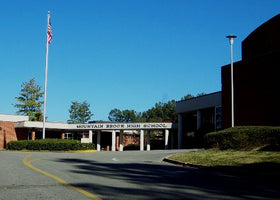
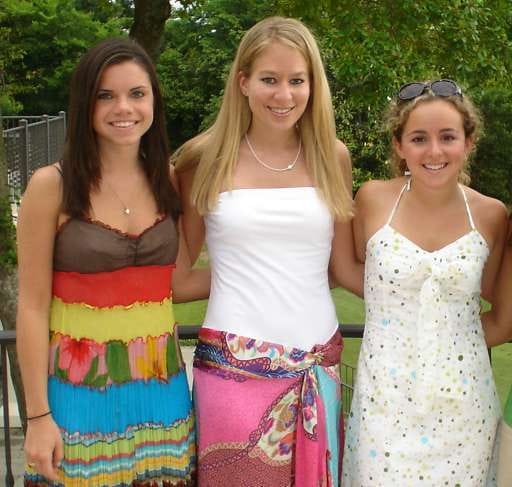
Holloway was part of a Mountain Brook High School senior trip to Aruba. The students had arrived several days earlier to celebrate graduation, and May 29 was the final evening before the group’s scheduled return to Alabama. Contemporary reporting and later timelines identify Carlos’n Charlie’s, a restaurant and nightclub in Oranjestad, as the venue where Holloway and classmates spent part of that night.
The date can look confusing in accounts because the night crossed midnight. Some reports describe the outing as May 29; official U.S. court paperwork describes Holloway as last seen in the early morning of May 30. Both refer to the same overnight period, not two separate nights.

What is known about the nightclub departure
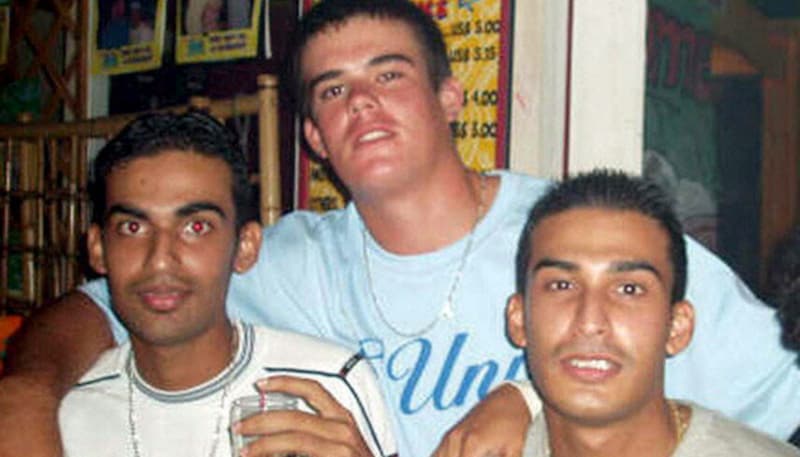
The clearest recurring detail is that Holloway left the Carlos’n Charlie’s area in a car with van der Sloot and brothers Deepak and Satish Kalpoe. A June 2010 federal affidavit states that classmates last saw her leaving the nightclub in a vehicle with van der Sloot and the two brothers. ABC News’ later timeline describes the car as a gray Honda and places the sighting at approximately 1:30 a.m.
Those accounts establish the departure and the people identified as being in the car. They do not establish that classmates saw every later stop, knew the route taken, or witnessed what happened after the vehicle left. The often-repeated description of the car as gray or silver appears in reporting; the safest phrasing is that it was described as a gray Honda in later timelines and as a vehicle in the federal affidavit.

The first account: a drive toward the coast and a claimed hotel drop-off
In the first days of the investigation, the three young men gave accounts that placed the group at a beach area near the island’s northern coast. According to the federal affidavit, van der Sloot told authorities on June 2 that he and Holloway drove toward the California Lighthouse and Arashi Beach because she wanted to see sharks. He said he dropped her at the Holiday Inn at about 2 a.m.
The Kalpoe brothers’ lawyers also described an account in which the group went to a beach and the men said Holloway was dropped near her hotel. Details about the exact location and what happened at the end of the drive varied across statements and reporting. These were accounts attributed to the men or their representatives, not a continuous route independently verified by a neutral witness.
One early public dispute concerned whether Holloway had actually been returned to the Holiday Inn. ABC News reported that hotel surveillance footage showed no evidence that she came back to the property. That does not, by itself, prove precisely where the car went after leaving the nightclub; it does undermine the claim that she was safely returned to the hotel as described.

Why the timeline became contested
As investigators questioned the men and other people connected to the night, the accounts shifted. In June 2005, a former hotel security guard publicly challenged the claim that Holloway had been dropped at the Holiday Inn, saying he had heard a different account involving a drop-off closer to the Marriott. That statement was reported by ABC News at the time and was an allegation attributed to the former guard—not a confirmed reconstruction of the journey.
Contemporaneous Associated Press coverage also recorded that the Kalpoe brothers’ lawyer said the brothers described a stop near a beach, followed by a claimed drop-off at the hotel and an alleged encounter with a person in a security-guard uniform. The lawyer’s account and the former guard’s account did not independently establish where Holloway was last physically present after the nightclub.
That is why the most reliable timeline stops short of drawing a precise map from the nightclub to a final beach location. The public record supports the departure in a vehicle with the three men. The route and the alleged drop-off were described differently by people whose statements were part of the investigation.
The men’s later statements did not resolve the 2005 record
Van der Sloot gave multiple accounts over the years. In a 2006 ABC News interview, he said he had left Holloway sitting on the sand by the ocean and denied harming her. In 2008, hidden-camera footage recorded by Dutch journalist Peter R. de Vries showed him describing a different version of events; Aruban authorities said they could not corroborate those statements.
In 2010, van der Sloot sought money from Holloway’s mother, Beth Holloway, in exchange for information about the location of her daughter’s remains. The U.S. prosecution later described the extortion scheme in federal court documents. The information he offered during that episode was not a reliable account of where Holloway’s body could be found.
For more context on the later evidence and the investigation’s shifting claims, see our coverage of the 2010 hotel footage and extortion attempt and Beth Holloway’s first 2005 meeting with van der Sloot.
What van der Sloot said in 2023—and what the court case covered
In October 2023, while pleading guilty in federal court to extortion and wire-fraud charges connected to his attempt to obtain money from Beth Holloway, van der Sloot described an attack on Natalee Holloway after the two were alone on a beach. ABC News reported that he said she rejected his advances, he kicked her, struck her with a cinder block, and pushed her body into the sea.
That account is a major later development, but it should not be confused with a contemporaneous eyewitness account of the car journey. It came 18 years after the disappearance, as part of proceedings concerning the federal extortion and wire-fraud case. Van der Sloot was not convicted of Holloway’s murder in that U.S. case. The 2023 statement supplied information about what he said happened after the departure; it did not produce a publicly verified minute-by-minute route from Carlos’n Charlie’s to the beach.
Holloway’s remains have never been recovered. The 2023 account has not changed the central evidentiary limit on the last movements: the final confirmed sighting by classmates was the departure in the vehicle.
A careful reconstruction of the last confirmed movements
- Late May 29, 2005: Holloway and classmates spent part of the final night of their Aruba graduation trip at Carlos’n Charlie’s in Oranjestad.
- About 1:30 a.m., May 30: Classmates last saw Holloway leaving the nightclub area in a vehicle with Joran van der Sloot and brothers Deepak and Satish Kalpoe.
- After the departure: The men’s accounts placed the group near the coast, with a claimed drop-off near the Holiday Inn; details about the route and location differed.
- Hotel return: ABC News later reported that surveillance footage showed no evidence Holloway returned to the Holiday Inn.
- Morning of May 30: Holloway did not meet the group for its scheduled return journey to the United States. Her belongings and passport were left in her hotel room.
The first two points are the firmest elements of the public timeline. The later route and drop-off details belong in the category of statements made during the investigation, not established observations by classmates.
Frequently asked questions
Where was Natalee Holloway last seen?
Classmates last saw her leaving the Carlos’n Charlie’s nightclub area in Oranjestad, Aruba, in a vehicle with Joran van der Sloot and brothers Deepak and Satish Kalpoe, in the early hours of May 30, 2005.
What time did Natalee Holloway leave the nightclub?
ABC News’ timeline places the sighting at about 1:30 a.m. The federal affidavit describes the departure in the early morning of May 30 without specifying the same exact minute.
Was Natalee Holloway dropped off at the Holiday Inn?
Van der Sloot said he dropped her at the Holiday Inn at about 2 a.m. ABC News later reported that hotel surveillance footage showed no evidence she returned. The public record therefore does not support treating the claimed hotel drop-off as confirmed.
Who was in the car with Natalee Holloway?
The men identified in the federal affidavit and ABC News timeline were Joran van der Sloot and brothers Deepak and Satish Kalpoe.
Did Joran van der Sloot later admit what happened?
In 2023, during his federal extortion and wire-fraud case, van der Sloot described killing Holloway on a beach after she rejected his advances. He pleaded guilty to the federal charges, not to a separate U.S. murder charge for Holloway’s death.
Sources and records
- U.S. federal affidavit (June 2010): contemporaneous legal account of the last sighting, van der Sloot’s June 2 statement, and the later extortion investigation.
- ABC News: Natalee Holloway’s disappearance timeline: the nightclub departure, gray Honda, hotel surveillance, and 2023 court account.
- ABC News (June 14, 2005): Another Twist in Holloway Disappearance: contemporaneous reporting on a former security guard’s alternative account of the alleged drop-off.
- Associated Press (June 13, 2005): Mother in Aruba case upset: reporting on statements attributed to the Kalpoe brothers’ lawyer.
- CBS News: What to know about the Natalee Holloway case after the confession: background on the trip, final night, and later legal proceedings.
Editorial note: This reconstruction distinguishes the last sighting reported by classmates from later statements by suspects, lawyers, and investigators. Where accounts conflict, the article identifies the source of each claim rather than presenting a disputed detail as settled fact.