For Beth Holloway, learning what happened to her daughter did not make every part of the case feel finished. It ended one kind of torment: the years of not knowing. But it did not erase the loss of Natalee, and it did not end Beth’s effort to pursue further legal accountability. Her distinction between answers and full justice is the central tension in the aftermath of Netflix’s Taken: Natalee Holloway.
In interviews published in November 2026, Beth has described the 2023 confession by Joran van der Sloot as the answer she had spent 18 years seeking. She has also made clear that she is continuing to work with Dutch attorneys on a murder complaint and the possibility of further proceedings in the Netherlands. Those are related but different milestones: one addressed what happened to Natalee; the other concerns whether another legal system can take action and what that process may ultimately establish.
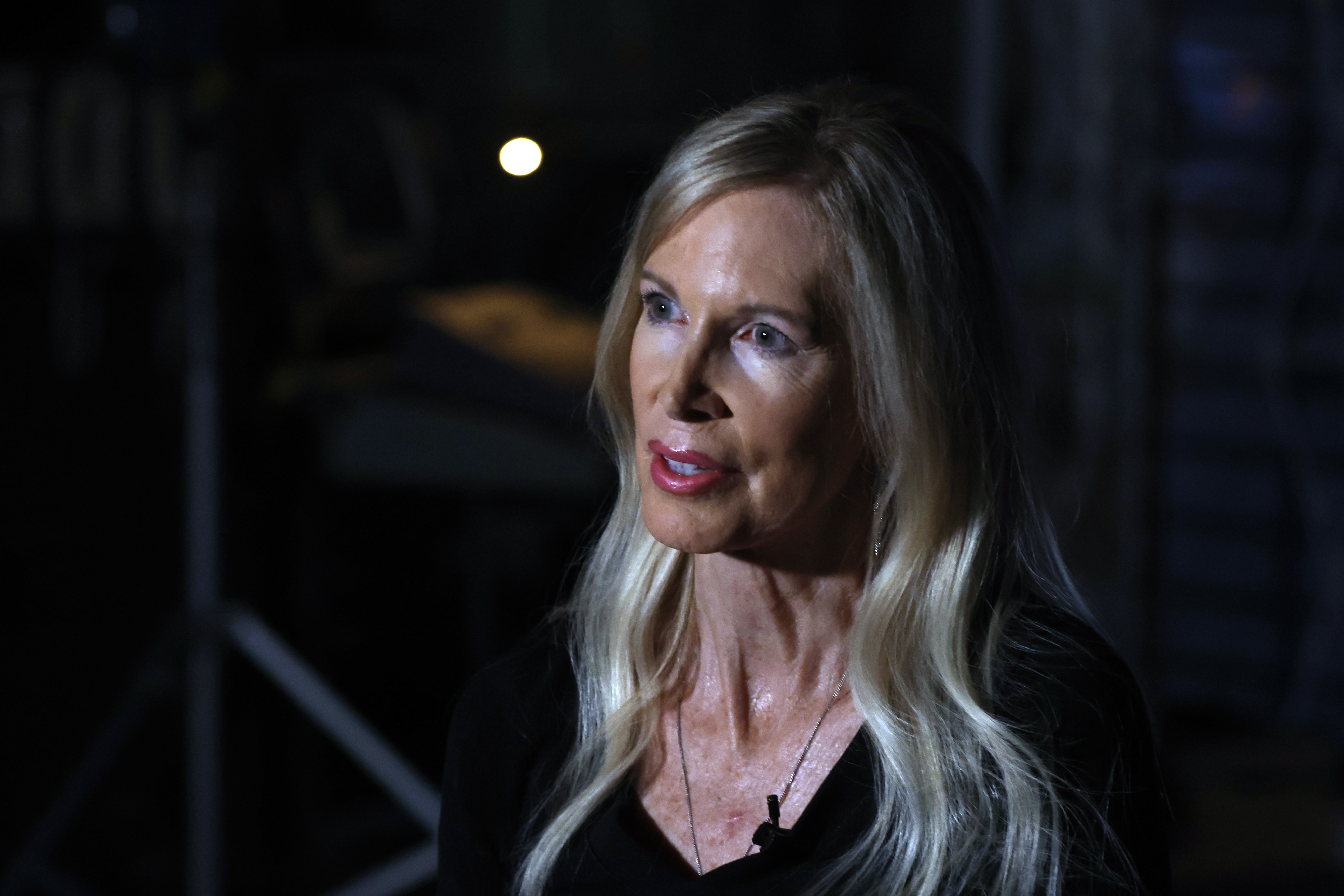
The answer that ended the uncertainty
Natalee Holloway was 18 when she disappeared during a high-school graduation trip to Aruba in May 2005. For years, Beth and the rest of Natalee’s family were left with conflicting accounts, unanswered questions and the absence of a confirmed explanation of what had happened after Natalee was last seen.
The turning point came in October 2023. Van der Sloot pleaded guilty in federal court in Alabama to extortion and wire fraud connected to his attempt to obtain money from Beth in exchange for information about Natalee. As part of the proceedings, he admitted that he killed Natalee in Aruba in 2005. The U.S. case was not a murder prosecution for Natalee’s death; the guilty plea was to the federal financial crimes. But the admission provided Beth with the account she had pursued for nearly two decades.
In her November 2026 interview with Netflix’s Tudum, Beth explained that she does not use the word “closure” for what happened. She described the end of not knowing as the end of a particular nightmare: the uncertainty, false leads, scammers and taunting that had surrounded the case. That is a more precise description than suggesting grief itself has ended.
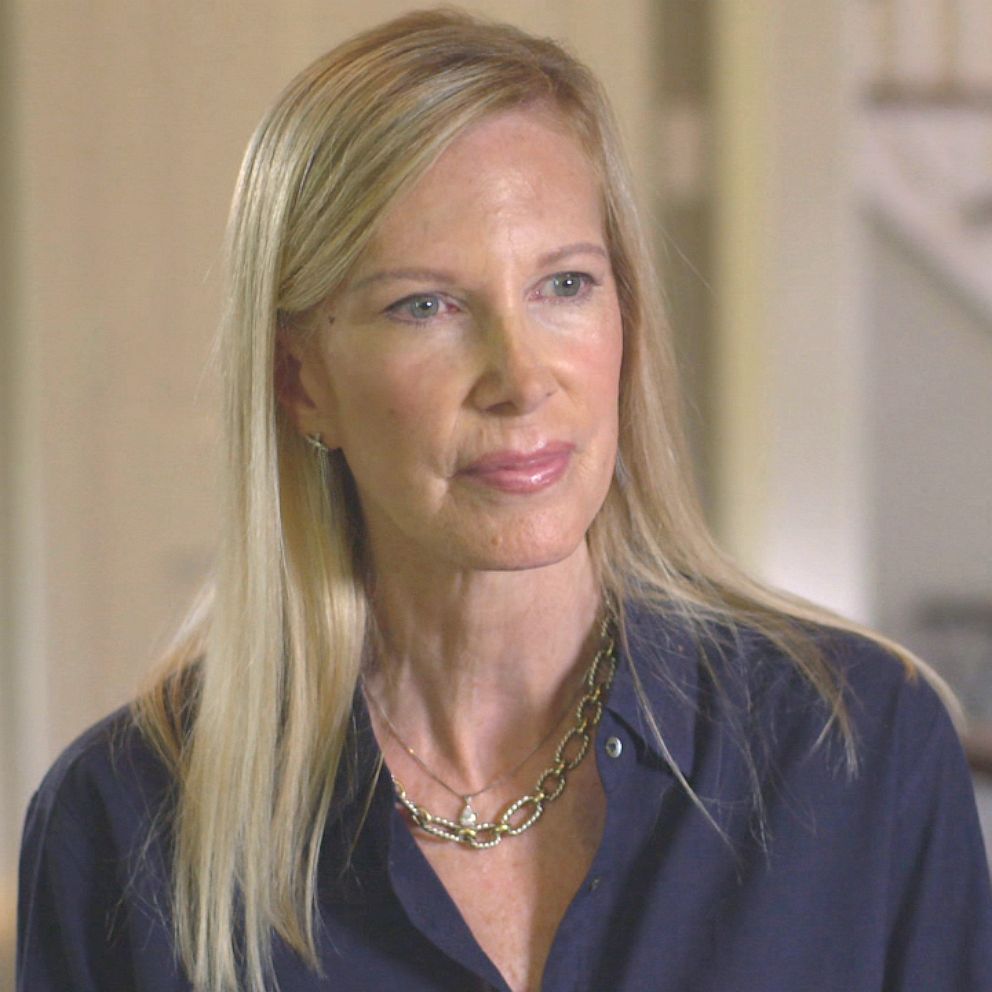
Why answers and justice are not the same thing
An answer resolves a question about the past. Justice is a legal and institutional process: it depends on jurisdiction, evidence, applicable law, prosecutorial decisions, court procedures and the rights of everyone involved. A confession can change what a family knows without automatically producing a murder conviction in every country connected to a case.
That distinction is especially important here. Van der Sloot’s 2023 U.S. guilty plea concerned extortion and wire fraud. His 28-year Peruvian sentence is for the 2010 murder of Stephany Flores Ramírez. The U.S. federal sentence for the extortion and wire-fraud case is to run concurrently with the Peruvian sentence. Those are established legal outcomes, but they are not the same as a separate murder conviction for Natalee’s death.
In the Netflix interview, Beth says the work is continuing with Dutch lawyers Royce de Vries and Annemiek van Spanje. She says a murder complaint has been filed with Dutch authorities and that prosecutors are obtaining documents and Natalee’s case files. She characterizes the matter as being in progress. That description should not be inflated into a claim that Dutch murder charges have already been filed or that a trial is certain.

The Netherlands effort is a next step, not a completed verdict
Beth’s stated next step is to pursue the Dutch legal route with the attorneys she named in her Netflix interview. She has described the complaint as part of a longer effort to seek accountability for Natalee. The public information available in the interview does not establish that prosecutors have decided to bring charges, and a complaint should not be confused with a charge, indictment or judgment.
The legal process may involve the review of records from more than one country. The disappearance happened in Aruba, van der Sloot is serving a sentence in Peru, and the 2023 federal case was heard in the United States. A Dutch complaint adds another jurisdiction to a case whose history already crosses borders. The existence of that process is significant, but its outcome cannot responsibly be predicted from the fact that documents are being gathered.
Beth’s own framing is measured: she says she obtained the answers she needed, and that seeking justice is another step. That distinction allows her to acknowledge a meaningful change in her life without suggesting that every legal question has been resolved.

What Beth hopes other families will understand
In the Netflix interview, Beth speaks about the importance of knowing what happened, while recognizing that families affected by crime do not always receive the legal outcome they hope for. Her experience is not a universal template: investigations differ, evidence may be unavailable, and some families never receive a confession or a clear account. But her distinction highlights a difficult reality for families of missing people—information can end one form of uncertainty even when loss and legal questions remain.
She has also described faith as a source of strength during the long search. In the series and the Tudum interview, she connects that faith to her determination to keep working for answers. The point is not that faith replaces law enforcement or court process; it is that it helped sustain her through a period in which formal answers were absent.
Her work has also extended beyond her own family. Netflix’s interview describes Beth’s return to her work as a public-school speech pathologist and her efforts to assist families of other missing people, including helping them communicate with law enforcement or locate search-and-rescue resources. That work gives her experience a practical dimension beyond the courtroom and the documentary.
How Taken: Natalee Holloway frames the distinction
The three-part Netflix documentary, which premiered on November 4, 2026, revisits Natalee’s disappearance through Beth, Natalee’s friends, people involved in the search and investigators. Netflix says the series includes previously unseen footage and follows the case from the 2005 trip through the 2023 confession. It presents the confession as a major turning point while also showing how the years of searching affected the people closest to Natalee.
A documentary can organize the history and give a family room to speak, but it cannot decide a criminal complaint. Nor can a viewer’s sense that a story has reached an ending substitute for a court’s assessment of evidence. The distinction in Beth’s comments is therefore more than a personal expression: it is a useful way to understand what the series can—and cannot—resolve.
For related coverage, read our reporting on Beth Holloway’s new mission after the 2023 confession, the status of the Dutch murder complaint, and whether van der Sloot could face Dutch charges.
What remains unresolved
- The Dutch legal process: Beth says a complaint has been filed and case materials are being gathered. The public interview does not confirm that prosecutors have filed murder charges.
- The outcome of any future proceedings: No verdict or judicial finding can be assumed before a case is formally brought and decided.
- The family’s loss: Learning what happened to Natalee did not bring her home or undo the harm caused by her death.
The clearest reading of Beth Holloway’s position is that answers changed her relationship with uncertainty, while justice remains work she believes is still worth pursuing. The confession gave her an account of what happened to Natalee. The Dutch effort is a separate legal step, with its own process and uncertain outcome. Treating those two things as identical would miss the very distinction she is making.
Sources and further reading
- Netflix Tudum — Beth Holloway ‘Isn’t Done Yet’: Where Natalee Holloway’s Mother Stands Now (November 4, 2026).
- Netflix Tudum — documentary background, production details and release information (November 5, 2026).
- PEOPLE — Beth Holloway reflects on her pursuit of answers and peace (November 10, 2026).
- On Purpose with Jay Shetty — Beth Holloway interview and episode guide (November 9, 2026).
- U.S. Department of Justice — federal guilty plea and sentence in the extortion and wire-fraud case.
Editorial note: This article distinguishes Beth Holloway’s publicly described goals and statements from formal legal outcomes. The Dutch complaint’s eventual status should be updated only when confirmed by Dutch authorities or court records.