Her search for answers ended. Her pursuit of accountability did not.
For nearly two decades, Beth Holloway’s public mission was to find out what happened to her daughter, Natalee. The 2023 admission by Joran van der Sloot gave her the answer she had spent years seeking. But it did not produce a murder prosecution for Natalee’s death. In the aftermath, Holloway has turned toward a different goal: persuading Dutch authorities to examine whether van der Sloot can still be held criminally accountable in the Netherlands.
“The nightmare’s over, right? But I’m not done yet,” Holloway told Netflix Tudum in an interview published November 4, 2026. She described the legal effort as her “new mission.” Working with Netherlands-based attorneys Royce de Vries and Annemiek van Spanje, she says she has filed a murder complaint and is hoping it can lead to charges. A complaint is a request for authorities to investigate and consider prosecution, not a charge, trial, or finding of guilt.
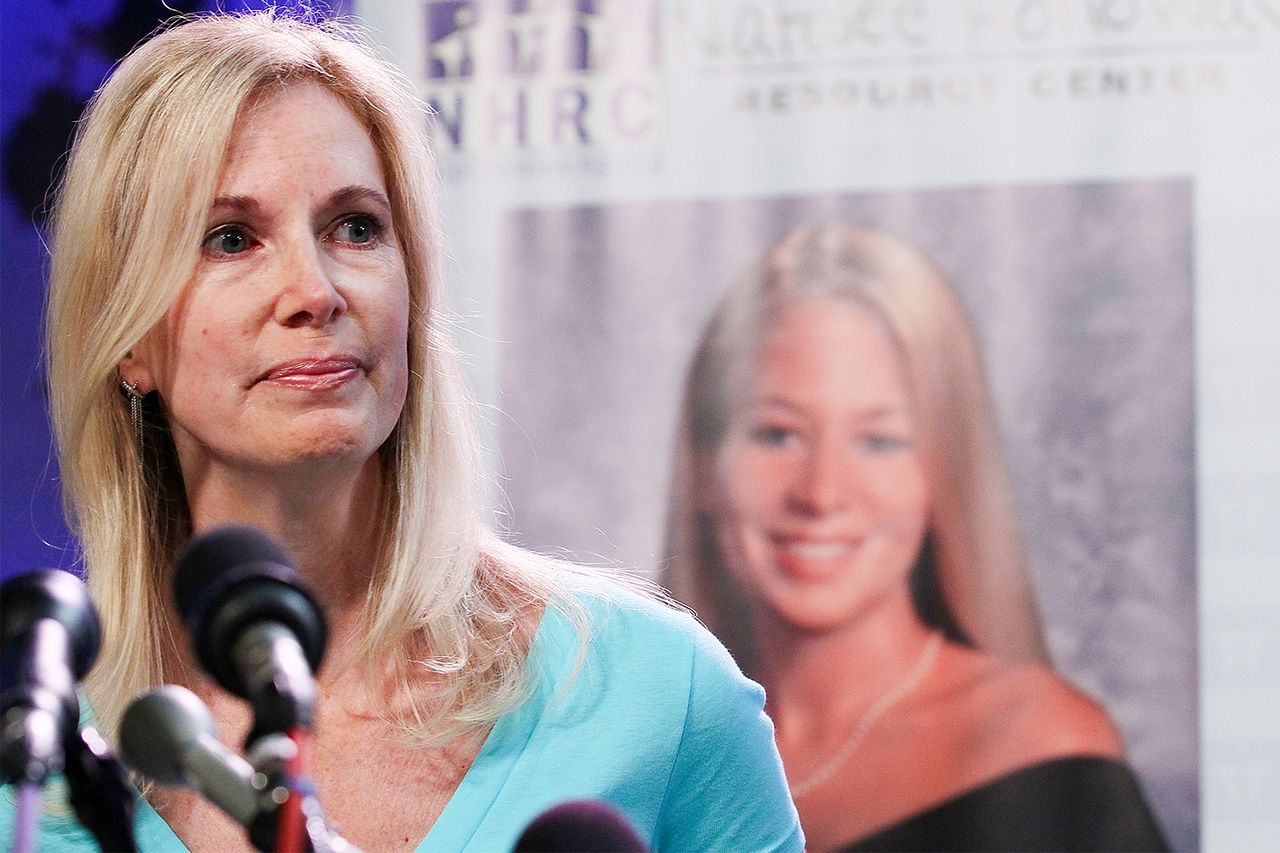
What the 2023 confession did — and did not — settle
Natalee Holloway was 18 when she disappeared during a graduation trip to Aruba in May 2005. In October 2023, van der Sloot pleaded guilty in a U.S. federal case involving extortion and wire fraud. As part of the proceedings, he gave investigators an account admitting that he killed Natalee on an Aruba beach and disposed of her body in the sea. The admission brought Beth information about her daughter’s fate, but the U.S. case was not a prosecution for Natalee’s murder.
Van der Sloot’s 20-year U.S. sentence for extortion and wire fraud runs concurrently with the 28-year sentence he is serving in Peru for the 2010 murder of Stephany Flores Ramírez. The Netflix Tudum interview says he has not been charged in connection with Natalee’s death. That is why Beth’s Netherlands effort matters to her: she does not regard the separate U.S. conviction and his Peruvian sentence as a legal resolution of Natalee’s killing.
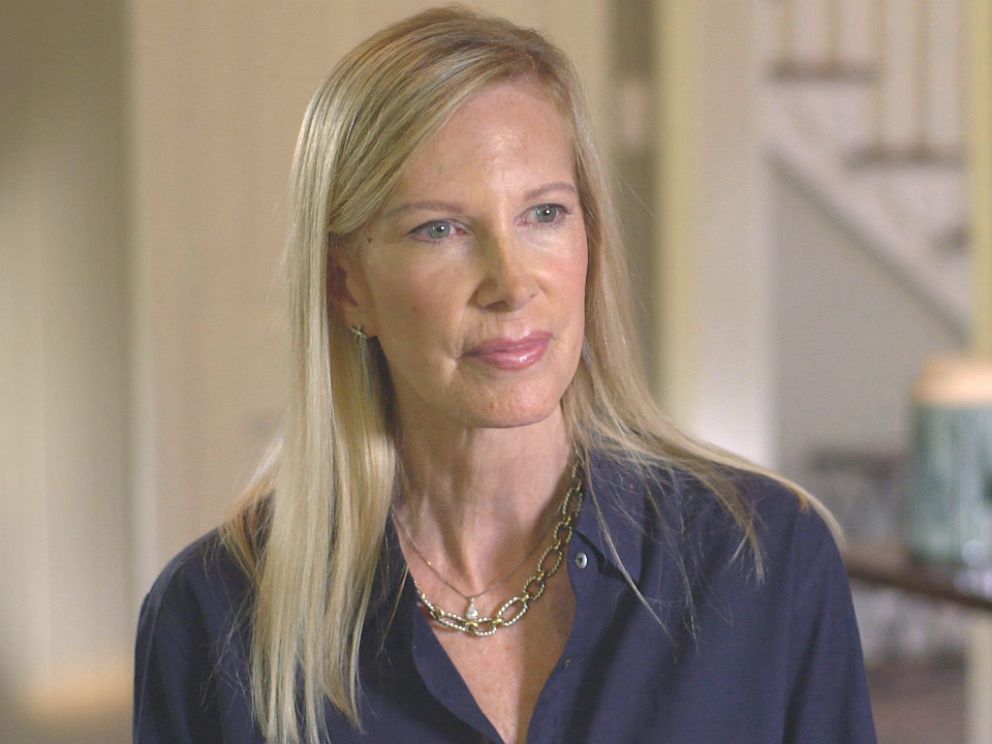
Why the Netherlands became the next legal route
The key procedural issue is that the alleged killing took place in Aruba, while van der Sloot is a Dutch national. On April 2, 2026, the Public Prosecution Service in Aruba announced that it had offered the complete Aruban case file to the Public Prosecution Service in Amsterdam so Dutch authorities could assess Beth’s complaint.
The same official statement set out an important legal complication. After reviewing documents obtained from U.S. authorities, Aruba’s prosecutors said there was, at that stage, insufficient evidence for prosecution for murder or qualified manslaughter in Aruba. They also said the limitation period for ordinary manslaughter had expired there. The Dutch limitation period had not expired, and because van der Sloot is Dutch, prosecution in the Netherlands was possible in principle. The statement did not say that Dutch prosecutors had decided to charge him.
That official distinction is more precise than headlines suggesting a murder trial is already underway. Beth has made a complaint; Aruba has offered its file for assessment; Dutch authorities must evaluate the material and determine what, if any, further legal step is justified. The public documents available for this report do not establish that a Dutch charge has been filed.

The legal team and the connection to Peter R. de Vries
Holloway told Tudum that she has worked with Dutch attorneys Royce de Vries and Annemiek van Spanje. De Vries is the son of the late investigative journalist Peter R. de Vries, whose reporting on the Holloway case included hidden-camera footage of van der Sloot in 2008. Beth told Tudum that Royce’s involvement carries a personal dimension because of his father’s earlier work, describing it as a legacy he intends to finish.
The lawyers’ role is not simply symbolic. A complaint must be assessed against the available evidence, the applicable Dutch law, jurisdictional rules, and the practical question of how a defendant serving a sentence abroad could be brought before a Dutch court if prosecutors decide to proceed. The April statement from Aruba confirms that the case file was offered for the Dutch assessment; it does not resolve those later questions.
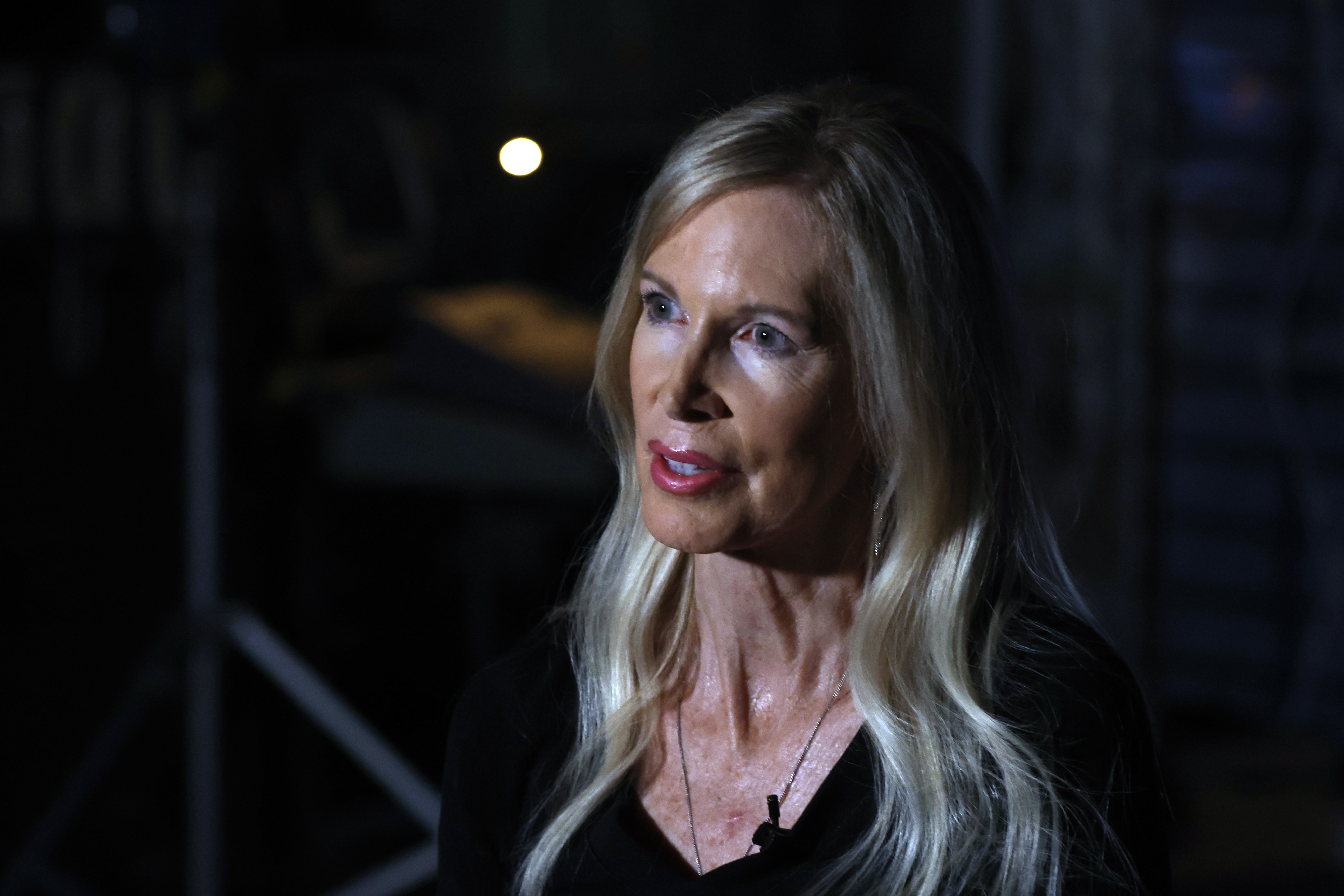
What Beth means by a “new mission”
Holloway’s account in the Netflix interview suggests that the change is not a return to the same search. For years, she was trying to establish what happened to Natalee. She says that uncertainty has ended. Her next objective is about whether the legal system can address the killing in a way that the earlier cases did not.
She has also rejected the idea that one word, “closure,” neatly describes what happened after the confession. In the Tudum interview, she explains that not knowing was the torment that kept the family trapped in an endless cycle of theories, scams, and renewed investigations. Knowing the truth has changed that burden, even though grief remains and she still wants accountability.
That is a more complicated position than either “the case is over” or “the case has started again.” The investigative question that dominated Beth’s life has, in her view, been answered. The legal question of whether van der Sloot can be prosecuted for Natalee’s death in the Netherlands remains for prosecutors to decide.

What happens next — and what is not yet known
The next meaningful development would be an official decision or update from Dutch prosecutors after their review of the complaint and case material. Beth told Tudum that a prosecutor was obtaining documents and Natalee’s case files, and she described the matter as being “in the hopper.” That is her description of the process, not a formal announcement that charges are imminent.
There are also practical questions around any future prosecution. Van der Sloot is imprisoned in Peru, and any Dutch proceedings would have to account for his custody and the legal process between the countries. Reports have discussed the possibility of a future transfer or extradition, but no such outcome should be treated as settled. As of the latest public statements reviewed for this article, Dutch authorities had not announced a murder charge against him.
The careful reading of the record is therefore straightforward: the 2023 admission answered a central question for Beth; the U.S. conviction addressed extortion and wire fraud; Aruba’s prosecutors explained why a local prosecution faced legal and evidentiary obstacles; and the Dutch complaint asks another country to assess whether its law permits a prosecution. Those are connected developments, but they are not interchangeable.
Frequently asked questions
What is Beth Holloway’s “new mission”?
She is seeking accountability for Natalee’s killing through a complaint to Dutch authorities against Joran van der Sloot, working with Netherlands-based attorneys Royce de Vries and Annemiek van Spanje.
Has Joran van der Sloot been charged with Natalee Holloway’s murder in the Netherlands?
As of the latest public statements reviewed for this article, Dutch authorities had not announced a murder charge. A complaint and a review of case files are not the same as a formal charge.
Why did Beth Holloway file a complaint in the Netherlands?
Aruba’s Public Prosecution Service said the limitation period for ordinary manslaughter had expired in Aruba, while the Netherlands’ limitation period had not. It also said prosecution in the Netherlands was possible in principle because van der Sloot is Dutch.
What did Aruba’s prosecutors say about the evidence?
In an April 2, 2026 statement, Aruba’s Public Prosecution Service said that, based on the documents it had reviewed at that stage, there was insufficient evidence for prosecution for murder or qualified manslaughter in Aruba. It offered the case file to prosecutors in Amsterdam for assessment of Beth’s complaint.
Who are Royce de Vries and Annemiek van Spanje?
They are Netherlands-based attorneys working with Beth Holloway on the complaint. Royce de Vries is the son of investigative journalist Peter R. de Vries, whose earlier reporting included hidden-camera footage involving van der Sloot.
Did the 2023 confession result in a murder conviction for Natalee’s death?
No. Van der Sloot’s 2023 U.S. guilty plea and sentence concerned extortion and wire fraud. His admission about Natalee’s killing was made in that case, but he was not convicted of her murder in that proceeding.
Sources and further reading
- Netflix Tudum — Beth Holloway’s November 4, 2026 interview about her new mission
- Public Prosecution Service of Aruba — April 2, 2026 statement on the case file and Dutch review
- NOS — March 16, 2026 report on the complaint in the Netherlands
- Quartz — November 9, 2026 update on Beth Holloway’s legal effort
- Associated Press — October 2023 coverage of van der Sloot’s admission and U.S. plea
Reporting note: This article distinguishes an admission, a complaint, an evidentiary assessment, and a formal criminal charge. Image credits identify the publishers or credited agencies shown in the cited coverage. Third-party image availability does not establish permission to reuse; confirm licensing before commercial use.