

Spoiler note: This feature discusses scenes and character dynamics from both seasons of Black Doves, including the Season 2 episodes. The series’ comedy is not separate from its violence. It is often created by the uncomfortable speed with which one gives way to the other.
A conversation about a relationship can continue while bullets fly. A killer can deliver a dry observation in the same tone someone else might use to ask for the salt. A mission can turn grotesquely chaotic, then return to business before the audience has quite processed what happened. That tonal snap is one of Black Doves’ most recognisable storytelling habits: it makes violence feel casually funny without pretending that the violence itself is harmless.
The distinction matters. The show is not simply adding jokes to an action thriller. Its comedy often comes from the characters’ own warped sense of normality. For Helen Webb, Sam Young, Eleanor, Williams and the other operatives, danger is part of the working day. They can be frightened, wounded, grieving or emotionally exposed, but they rarely stop to announce that a gunfight is extraordinary. Their matter-of-fact reactions make the audience do the double take.
The joke is often in the reaction, not the violence
In a conventional thriller, a sudden killing usually changes the emotional temperature of a scene. The music swells, the surviving characters react, and the story pauses to register the shock. Black Doves frequently takes a different route. The violence may be abrupt and shocking, but the characters’ responses can be so practical, irritated or conversational that the scene acquires a grim comic aftertaste.
That does not mean the series asks viewers to forget the consequences. Its world is full of grief, compromised loyalties and people who cannot simply walk away from what they have done. Instead, the comedy exposes how thoroughly the characters have adapted to an abnormal profession. They have developed a language for the unthinkable, and that language is often funny precisely because it is so inappropriate.
The official Netflix Season 2 guide calls the series a darkly funny spy thriller and describes the Black Doves as a covert organisation that trades in secrets, placing agents close to powerful people. The institutional setup helps explain the tone: espionage is treated as a business, and the people doing the work have learned to make even the most appalling assignment sound routine.
Helen and Sam use wit as a survival language
Helen and Sam’s exchanges are a major part of the show’s comic rhythm. They know each other well enough to be brutally frank, and their jokes often arrive when the situation should make conversation impossible. The humour is not simply a pause between action sequences; it is part of how they negotiate fear, intimacy and the history they share.
That is why the banter can feel affectionate and unsettling at the same time. Their familiarity gives them permission to say things that would sound monstrous from strangers. They can challenge one another, mock a bad decision or make a dry observation while the danger remains immediate. The audience is invited to laugh at the timing, then remember what the characters are actually doing.

The TheWrap review of Season 2 highlights the show’s funny performances and its shift from witty repartee to explosive action. That combination is central to the appeal: the jokes do not make the danger disappear; they make the characters’ ability to function inside it more revealing.
Eleanor and Williams make the absurdity impossible to miss
If Helen and Sam provide the show’s intimate, lived-in banter, Eleanor and Williams often deliver its most openly absurd contrast. They are dangerous professionals whose conversations can drift toward ordinary personal concerns at precisely the wrong moment. Their partnership has the rhythm of a workplace comedy, except the workplace is a world where a routine disagreement can unfold in the middle of a shootout.
Netflix’s Season 2 locations feature includes a particularly telling explanation from Ella Lily Hyland. Discussing the pair’s dynamic, she says their work has become second nature: they can be having an intense conversation about friendship while walking around and shooting people. That observation gets close to the series’ comic engine. The characters do not necessarily think they are being funny. They are simply continuing an emotional conversation while doing something objectively horrifying.
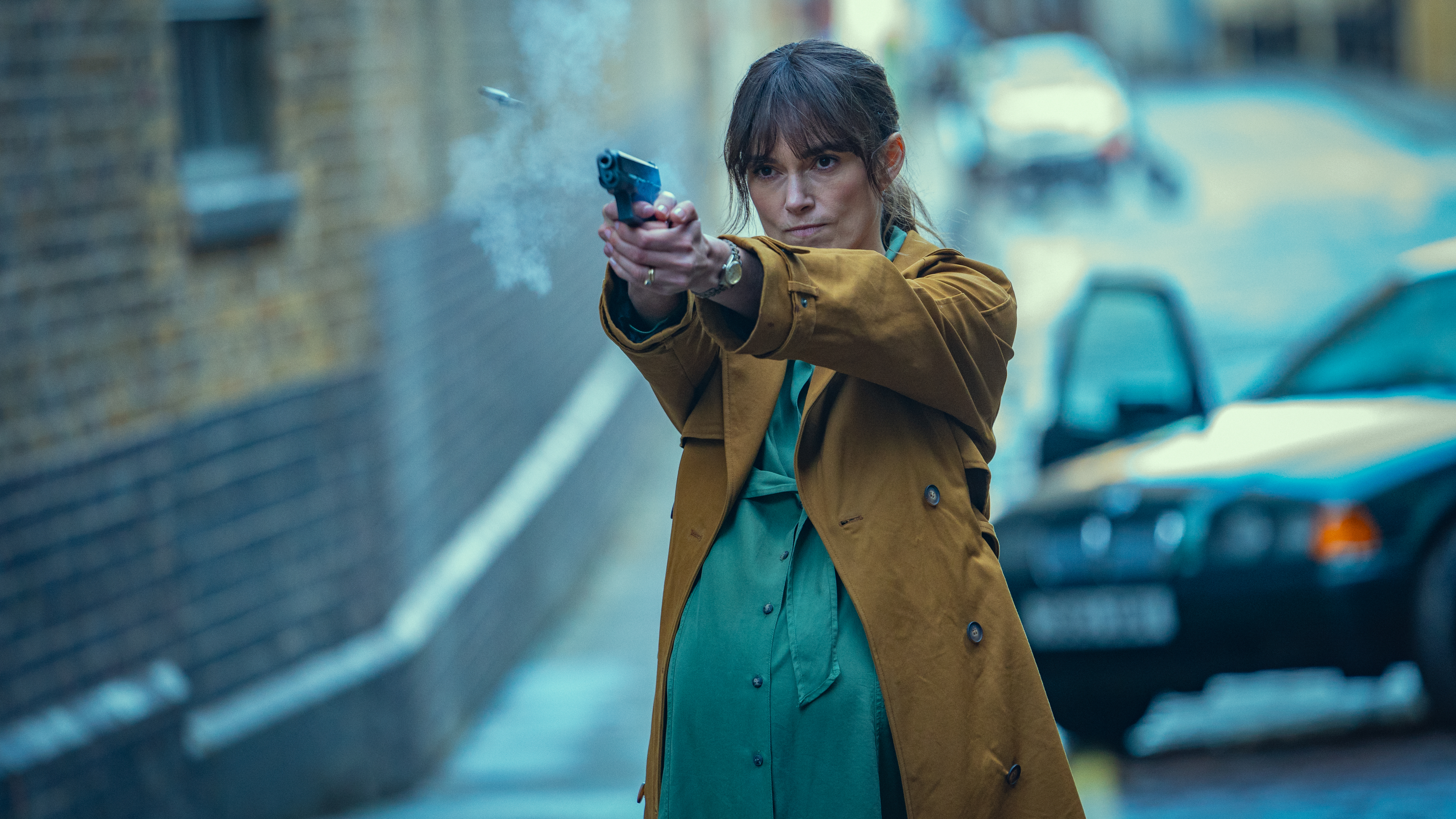
The joke is not that friendship is trivial. It is that these characters have become so accustomed to violence that ordinary feelings keep surfacing in the middle of it. Their emotional lives refuse to wait until the shooting stops. In Season 2, that contrast becomes more meaningful as Williams and Eleanor’s connection deepens. The comedy gives their relationship room to grow without turning either assassin into a conventional romantic lead.
Netflix’s interview about Williams and Eleanor’s romance explores the tension between their professional partnership and their emerging feelings. Their dynamic works because the series lets affection and lethal competence occupy the same scene, rather than treating one as a temporary interruption of the other.
Deadpan delivery keeps the show from winking too hard
One reason the humour lands is that the performances rarely underline the punchline. A character says something ridiculous in a steady voice, then moves on. The camera and dialogue do not always stop to tell viewers that a joke has happened. The result is a dry, distinctly British comic texture: the less the characters acknowledge the absurdity, the more the audience notices it.
Ambika Mod’s Laila adds another variation. Netflix describes her as acerbic, anarchic and effective under pressure, a wild-card agent whose sharp tongue can throw a mission off balance or save it. Her casual approach to the work is part of the joke, but it also changes the ensemble’s energy. She is not impressed by the mystique that other characters have built around themselves.
That deadpan approach is important because a show about assassins can easily become self-satisfied. If every line were a punchline, the violence would start to feel like a cartoon. Black Doves is more effective when it lets the joke emerge from character behaviour and then allows the consequences to remain visible.

Why the violence can be funny and still feel disturbing
There is a moral tension at the centre of this style. The show makes violence entertaining through pace, choreography, dialogue and the characters’ reactions. But the more casually its operatives treat killing, the more unsettling their world becomes. The laughter is not proof that the violence is harmless; it can be a sign that the characters have normalised something that should never be normal.
The Independent’s Season 2 review describes the series’ dry, mischievous humour as a counterpoint to its shock and menace. That balance is a useful way to understand the show. The jokes sharpen the contrast with the brutality rather than cancelling it out.
There is also a practical storytelling advantage. Humour can keep an ensemble from becoming emotionally monochrome. If every character responded to every violent event with the same solemnity, the series would lose the distinctive personalities that make its spy network feel like a messy community. The comedy differentiates them: one character deflects, another complains, another turns the situation into a personal argument, and someone else simply gets on with the job.
When the joke stops, the emotional cost becomes clearer
The tonal shifts work best when the series knows when to stop being funny. A sudden silence, a look between two characters, or a decision that cannot be undone can change the meaning of the scene that came before it. The audience is reminded that the characters’ breezy professionalism has limits. Their humour may help them keep moving, but it cannot guarantee that they will remain untouched.
Season 2 gives that contrast extra weight by expanding the organisation behind the assassins. The official Netflix guide describes a network built around paranoia, leverage and disposable loyalty. When people are treated as assets, the comedy of workplace routine acquires a darker edge. The characters may joke like colleagues, but their employer’s system can discard them like equipment.

This is also why the series’ emotional scenes matter. When a character admits fear, affection or regret without a joke to soften it, the moment feels earned. The humour has not made the characters invulnerable; it has shown the habits they use to avoid being vulnerable. The contrast allows the more sincere scenes to land with greater force.
Is the comedy making light of murder?
That is a fair question, and the answer depends on what the viewer expects from a thriller. Black Doves does stylise its violence. It uses timing and performance to make scenes entertaining, and some viewers will find that combination too glib. Others will see the comedy as a deliberate portrait of people whose moral and emotional instincts have been distorted by their work.
The distinction is between laughing at the characters’ absurdly professional reactions and believing that their actions are morally trivial. The show often encourages the first without requiring the second. A line can be funny while the situation remains appalling. A perfectly timed quip can reveal a character’s coping mechanism, not absolve them of responsibility.
That tension is what gives the series more texture than a straightforward action comedy. Its jokes are not a substitute for stakes. They are one of the ways the show explores what happens when people build an ordinary routine around extraordinary cruelty.
The show’s most distinctive trick is tonal control
The lasting impression is not simply that Black Doves is violent or that it is funny. It is that the show can move between those registers without completely losing its characters. The jokes emerge from specific relationships and habits; the violence changes the stakes; and the emotional consequences occasionally break through the deadpan surface.
That balance is difficult to sustain. Too much comedy would make the danger weightless. Too much solemnity would flatten the eccentric ensemble and make every episode feel like the same grim exercise. At its best, the series understands that a character can be funny, frightening and emotionally complicated in the same minute.
So the habit of making violence feel casually funny is not an accidental garnish. It is part of the show’s view of its own world. The Black Doves’ operatives have turned danger into routine, and the audience is asked to notice both the absurdity and the cost of that transformation. The laughter arrives quickly. The unease tends to stay longer.
Further reading
- The Show’s Habit of Mixing Intense Spy Talk With Casual Violence
- Why Laila Roasts Helen So Hard – The Freshness Ambika Mod Brings
- Helen vs Laila Generational Clash – Capitalist Spy Wife Meets Socialist Assassin
Editorial note: This feature distinguishes the series’ confirmed character dynamics and published cast commentary from interpretation of its comic tone. The earlier-series images are identified as such in their captions rather than presented as Season 2 stills.


