

Black Doves Season 2 does not build its musical identity around one genre. Its soundtrack can move from the hypnotic, forward-driving pulse of German krautrock to the blunt energy of hip-hop, then turn toward romantic pop standards and soul recordings that carry decades of cultural memory. The effect is more than eclectic taste. These shifts give the series a way to change emotional temperature quickly: a familiar melody can make danger feel disturbingly ordinary, while an abrasive rhythm can make a flashback feel unstable before a character says a word.
The screen credits list Danny Layton and Ross Sellwood as the series’ music supervisors. Their company, Department Music, describes music supervision as a process that connects creative choices with the practical work of rights, contracts, production and delivery. There is no detailed public interview in which the pair explain every individual Season 2 selection, so it would be wrong to attribute a specific track decision to either supervisor without evidence. What can be examined is the finished musical design: the songs, the episodes in which they appear, and the contrasts the audience is asked to hear.
The soundtrack is built on contrast, not a single signature sound
Time Out’s episode-by-episode guide shows just how wide the licensed-music palette becomes. Season 2 moves through Mattiel, Love, Billy Joel, Margo Guryan, Men I Trust, Capdown, Paul Anka, Can, Einstürzende Neubauten, Mina, Laura Marling, Nick Cave & The Bad Seeds, DJ Shadow and Run the Jewels, Olly Murs, Nina Simone, Peter, Paul & Mary and RAYE. That range could feel like a playlist with no centre. In the context of the drama, its changing textures create a centre of their own: the sound keeps reflecting the gap between the characters’ public faces and private work.
Music supervision is often most visible when a song surprises the viewer, but surprise alone is not a strategy. A useful needle drop has to fit the scene’s timing, point of view and emotional meaning. A track can be familiar without being predictable; it can be funny without making the violence feel harmless. Black Doves repeatedly uses that tension, allowing the music to complicate what the image appears to say.
Krautrock gives the Berlin flashback its own pulse
The clearest example of the show’s more experimental side arrives in Episode 4, “The Opportunity to Become Savage.” The episode’s Berlin material reaches back to 1988, and the soundtrack includes Can’s “Vitamin C” and Einstürzende Neubauten’s “Perpetuum Mobile.” Time Out identifies both tracks in its Episode 4 list. They do not sound like conventional period wallpaper. Their restless repetition and unusual textures create a world that feels unsettled, mechanical and difficult to relax into.
Can’s music is particularly suited to that effect. Formed in Cologne in 1968, the group became one of the defining names associated with krautrock and experimental rock. The band’s official label, Mute, describes its work in terms of hypnotic grooves and avant-garde instrumental textures. “Vitamin C” brings that combination into the episode: a groove that keeps moving while refusing the neat, reassuring shape of a conventional rock song.
That matters because the Berlin sequence is not simply a flashback to establish a date. It exposes the older decisions and loyalties that continue to shape the present-day story. The music’s repetition can suggest a system that keeps running even when the people inside it are losing control. It also gives the episode a distinct sonic identity, separating the Cold War past from the contemporary London plot without relying only on costume, production design or dialogue.
“Perpetuum Mobile” pushes the texture further. Einstürzende Neubauten’s industrial approach makes the soundtrack feel less like a nostalgic trip and more like a pressure chamber. In this context, krautrock and industrial music are not interchangeable labels; they are neighboring parts of a broader experimental sound world that gives the Berlin story a harsher edge.
Hip-hop turns momentum into attitude
The hip-hop selections work differently. In Episode 5, “Murder Mix,” DJ Shadow and Run the Jewels’ “Nobody Speak” brings a direct, confrontational energy to the episode’s action. Earlier, Episode 3 includes Ocean Wisdom’s “Brick or Bat,” while Episode 2 features Capdown’s “Bitches and Nike Shoes”—a punk/ska-leaning track rather than a straightforward hip-hop cut. The distinctions matter: the season is not simply dropping rap songs into every action scene. It draws on several forms of aggressive, rhythm-led music to create different kinds of momentum.

“Nobody Speak” is a useful example because its force is not only about speed. The track’s vocal delivery and hard-edged beat bring a combative attitude into the scene. The song does not merely make the action faster; it gives the moment a sense of swagger and challenge. That is a different dramatic function from Can’s cyclical groove or the unease of industrial music.
The presence of hip-hop also keeps the soundtrack from becoming a museum of older records. The show can move between archival sounds and contemporary artists without presenting one as more authentic than the other. London’s criminal and political worlds are not frozen in one musical decade, and the soundtrack’s range reflects that restless present.
Timeless classics make violence feel uncomfortably familiar
The older pop and soul selections create a different kind of friction. Billy Joel’s “She’s Always a Woman” and Paul Anka’s “Put Your Head on My Shoulder” carry the emotional shorthand of romantic radio. They are smooth, melodic and immediately legible. Placed inside a spy thriller, that familiarity can become unsettling: the audience hears something associated with tenderness or ordinary life while watching people conceal secrets, make threats or prepare for violence.

“She’s Always a Woman” is especially interesting as a choice around Helen’s double life. The song’s affectionate surface can sit beside a character who has to separate her family identity from the work she does in secret. The point is not that the lyrics provide a literal explanation of Helen. It is that the song’s emotional familiarity makes the contrast sharper. A viewer can hear the warmth of the recording while noticing how much of Helen’s life is built around concealment.
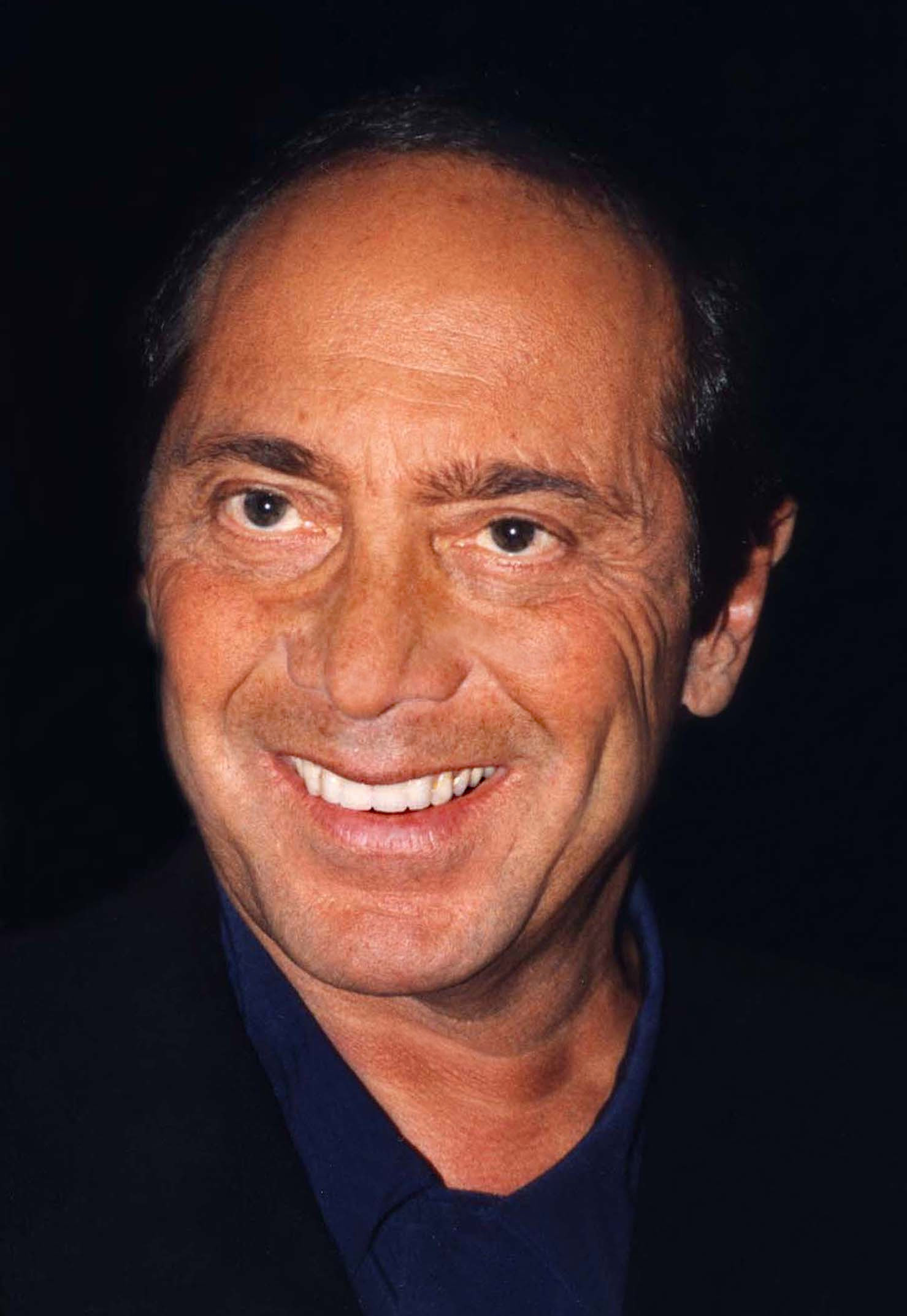
Paul Anka’s “Put Your Head on My Shoulder” offers another kind of old-fashioned intimacy. Its gentle, close-up mood can make the world of the show feel briefly domestic, even when the characters are operating in a dangerous environment. The song’s age is part of its effect, but age alone is not the reason it works. Its recognisable romantic language gives the scene a strong emotional counterpoint.
Nina Simone and RAYE bring different kinds of emotional weight
Nina Simone’s “Sinnerman,” used in Episode 5, brings a much more urgent energy. The song has a long musical and cultural history, and its insistent build can make a sequence feel as though it is gathering force beyond the control of the characters. It is not simply a “big” song for a big scene. Its vocal intensity and momentum carry a sense of pursuit, consequence and reckoning.

The finale’s return to RAYE’s version of “Bang Bang (My Baby Shot Me Down)” gives the series another kind of musical continuity. The song was already associated with Black Doves, so its appearance again carries the memory of the first season into the new episodes. A recurring song can become a musical signature, but it also creates a responsibility: the second use has to feel connected to the characters’ changed circumstances rather than simply repeating a familiar cue.
Other selections broaden the emotional register. Nick Cave & The Bad Seeds’ “People Ain’t No Good” adds a bruised, fatalistic note, while Peter, Paul & Mary’s “500 Miles” brings a folk standard into the finale’s closing stretch. The season’s musical world is not divided into “cool” songs for action and “old” songs for sentiment. It uses the associations attached to different recordings to move between irony, grief, intimacy and unease.
The Olly Murs gunfight shows how personal memory can shape a cue
One of the most talked-about contrasts is Olly Murs’s “Dance with Me Tonight” during an action sequence. In an interview with Radio Times, creator Joe Barton explained that the song came back to him from a period when he repeatedly played it at bath time with his young son. He later connected that domestic memory to Helen’s family life and her secret profession. Barton also praised Murs for being generous about the licensing request.

This is a valuable distinction when discussing music supervision. The track’s origin story, as Barton tells it, is a creative memory from the showrunner—not a documented account of the supervisors’ private selection process. The finished scene still demonstrates what a well-integrated needle drop can do: it lets the warmth of a familiar pop song collide with the brutality of the image, making the contrast feel both funny and uncomfortable.
It also shows why licensing is not a minor administrative detail. A song can be exactly right for a scene and still require negotiations around rights, permitted uses, territories and delivery. Department Music says its work includes collaborating with production and creative teams while handling legal and commercial arrangements. The creative moment audiences hear on screen depends on that practical work being completed properly.
What the mix tells us about music supervision
The public record gives us the credits, the released episodes and the track lists. It does not reveal every shortlist, rejected alternative, rights negotiation or conversation in the edit suite. A careful reading should keep that boundary clear. We can describe what the soundtrack accomplishes; we cannot pretend to know the private reasoning behind every individual choice.
Even with that limitation, the design is striking. Krautrock gives the Berlin past a hypnotic and unstable pulse. Hip-hop and other rhythm-driven tracks bring attitude and forward motion to contemporary action. Romantic standards and soul classics make the characters’ violence feel closer to everyday life. RAYE’s returning cover provides continuity, while the original score by Ian Arber and Martin Phipps supplies the sustained tension that licensed songs cannot provide on their own. The original score album was released by Netflix Music in November 2026, as reported by Film Music Reporter.
The result is not a random playlist and not a genre exercise. It is a soundtrack that keeps changing the audience’s relationship with the image. The music can make an assassin seem playful, a family moment feel precarious, or a flashback sound as if the past is still vibrating underneath the present. That is the deeper achievement of the mix: the songs do not just accompany the story. They keep changing the way the story feels.
Further reading
- The Music Supervisors’ Next Challenge – Matching Season 2’s Audacious Needle Drops
- The Soundtrack Album Release – Original Score Tracks Now Available
- Why Olly Murs Soundtracks a Kill Scene – The Unexpected Needle Drop Everyone Is Talking About
Editorial note: Track placements are based on published episode soundtrack guides and reporting. The article distinguishes confirmed credits and creator comments from its own interpretation of how the music functions in the scenes. Image credits and reuse licenses are provided with each photograph.


