

Black Doves Season 2 makes a bold promise with its soundtrack: a song can be funny, unsettling, romantic, or genuinely dangerous before a character even pulls a trigger. The series moves from Billy Joel and Paul Anka to Can, Einstürzende Neubauten, Nick Cave, Nina Simone, Run the Jewels, and RAYE, often placing familiar music against scenes that are anything but familiar. That contrast is not background decoration. It is part of the storytelling.
The next challenge for the people shaping the show’s music is therefore bigger than finding another surprising track. Season 2 has established a recognizable musical personality: old-fashioned romance beside modern violence, European art-rock beside London grime, and pop familiarity used to make an action sequence feel strangely domestic. Any future installment would need to preserve that mischievous instinct without turning it into a predictable formula.
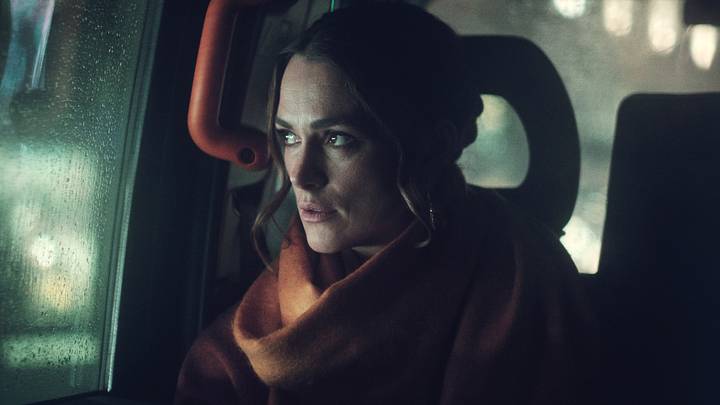
Season 2’s soundtrack works because the contrasts have a purpose
The season’s licensed songs are deliberately varied. The episode-by-episode tracklists published by Time Out and Radio Times include Mattiel, Love, Billy Joel, Margo Guryan, Men I Trust, Capdown, Paul Anka, Can, Einstürzende Neubauten, Mina, Nick Cave & The Bad Seeds, DJ Shadow and Run the Jewels, Olly Murs, Nina Simone, Peter, Paul & Mary, and RAYE.
That list could easily sound like a playlist assembled by several different people with incompatible tastes. In the series, the variety becomes a dramatic tool. A soft, familiar melody can make a room feel safe just before the story reveals how unsafe it is. A track with a rougher edge can turn a routine movement through a corridor into a statement of intent. The surprise is not simply that the songs are unexpected; it is that the scene often becomes more legible because of the mismatch.
That is the essential difference between a needle drop that gets attention and one that earns its place. A recognizable song can make a moment memorable for a few seconds. A well-chosen song changes how the audience reads the characters, the setting, or the emotional stakes.
The Olly Murs gunfight is a test case in tonal control
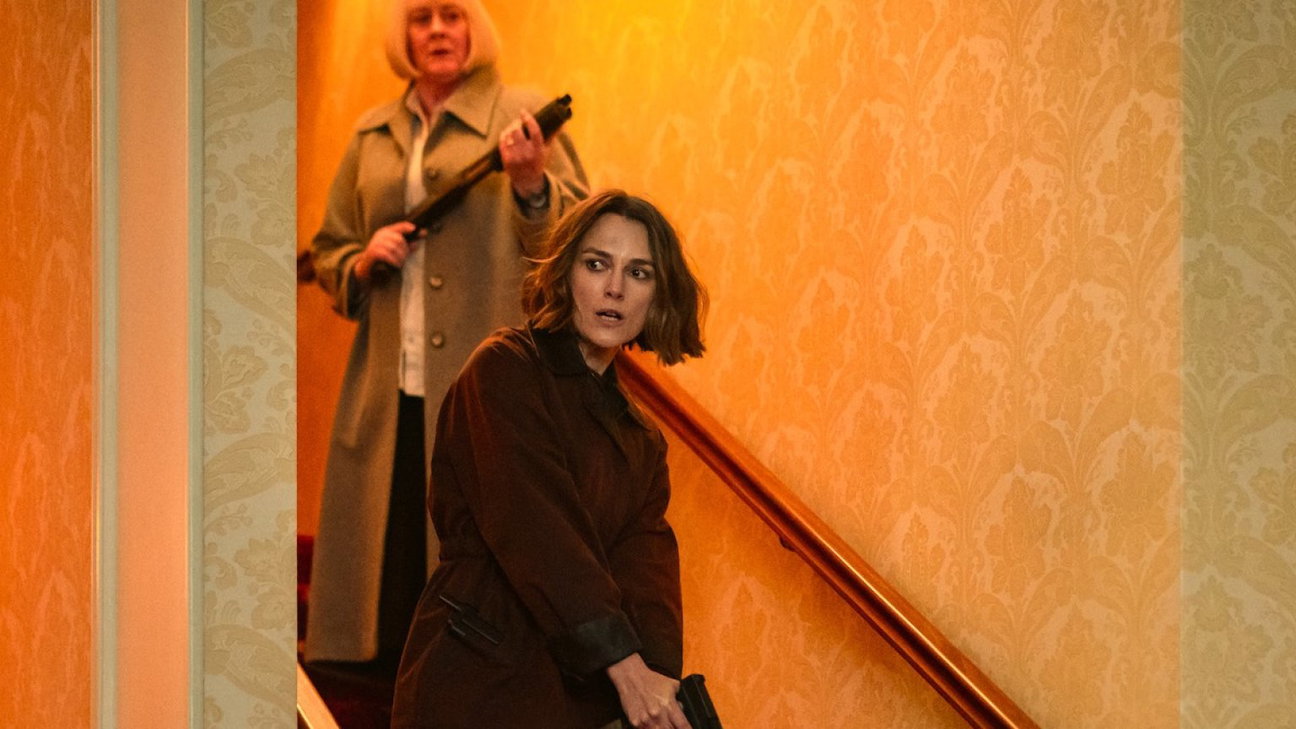
One of the season’s clearest examples is the use of Olly Murs’s “Dance with Me Tonight” during an action sequence. It is an intentionally disarming choice: a bright, cheerful pop song laid over violence. Series creator Joe Barton told Radio Times that the idea came from a period when he repeatedly played the song at bath time with his young son. The tune lodged in his memory, and he later connected its domestic associations with Helen’s family life and her secret profession. Barton also said Murs was generous about the licensing request.
That explanation matters because it shows the scene did not begin with a random “funny song” search. The track carried a personal association for the creator, and the series found a way to turn that memory into tonal irony. The cheerful sound does not make the violence harmless. It makes the collision between Helen’s public, family-facing identity and her private work harder to ignore.
For music supervisors, this is the kind of decision that requires more than matching tempo to action. The song has to be recognizable enough to create an immediate reaction, but its emotional associations must also complicate the scene rather than flatten it into a joke.
“Vitamin C” and the Berlin material need a different musical language
Season 2 also travels into the past, including the East Berlin story in Episode 4. Here, the soundtrack’s job changes. Can’s “Vitamin C” and Einstürzende Neubauten’s “Perpetuum Mobile” bring a distinctly different texture from the polished pop and soul selections used elsewhere. They help give the Berlin material its own sonic identity, rather than making it feel like another London mission with a different coat of paint.
The choice of music from artists associated with experimental rock and industrial sound is especially effective because it does not simply announce “the past.” It gives the flashback a rougher, more unsettled atmosphere. The sound world feels less comfortable, which suits a story about compromised loyalties and decisions whose consequences stretch across decades.
That is a useful lesson for any continuation: period music should do more than certify a year. The best choices create a relationship between the historical setting and the characters’ emotional reality. A future season could revisit a different era or location, but it would need to find music that belongs to that world rather than leaning on familiar nostalgia as shorthand.

The “Murder Mix” turns character taste into plot
Season 2’s fifth episode is titled “Murder Mix,” and the music becomes part of the characters’ own language. Williams’s taste and the idea of a playlist for a dangerous job turn song selection into characterization. The mix moves through tracks including Nick Cave & The Bad Seeds’ “People Ain’t No Good,” DJ Shadow and Run the Jewels’ “Nobody Speak,” Olly Murs’s “Dance with Me Tonight,” and Nina Simone’s “Sinnerman,” according to the published soundtrack guides.
The range is the point. “Nobody Speak” brings confrontational momentum; “Sinnerman” carries a sense of spiritual urgency and escalation; “People Ain’t No Good” introduces a more bruised, fatalistic mood. The songs are not interchangeable action cues. Each brings a different attitude to the people using violence and the people caught around them.
There is also a character-writing advantage here. A playlist can reveal taste, humor, self-image, and the way someone wants to feel before a dangerous task. The audience learns something about Williams not through a speech explaining her personality, but through the music she chooses to accompany a job. That is efficient television storytelling.

Original score and licensed songs have to share the same story
It is worth separating the show’s licensed needle drops from its original score. The Season 2 score was composed by Ian Arber and Martin Phipps, with a soundtrack album released by Netflix Music in November 2026. Film Music Reporter published the album announcement and its 19-track score listing.
The score has a different responsibility from a pop or rock song. It can build tension gradually, connect scenes, and sustain an emotional thread without demanding the audience’s attention in the same way as a familiar vocal track. The licensed songs, by contrast, arrive with their own cultural histories. The audience may already associate a track with a decade, a dance floor, a relationship, or a private memory.
The challenge is to make those two systems feel like parts of one show. If the score is too generic, the needle drops can feel like isolated moments of cleverness. If every scene is built around a famous song, the music can overwhelm the drama. The balance depends on knowing when silence, original composition, or a licensed track will do the most useful work.
RAYE’s “Bang Bang” gives the season a musical memory
RAYE’s version of “Bang Bang (My Baby Shot Me Down)” is another important thread. The song has a history with the series, and its return in Season 2 gives the show a point of continuity. The original song has been recorded by several artists over the decades, but the version associated with Black Doves carries the series’ own identity.
Using a returning musical motif can be powerful, but it creates a high bar. The audience remembers the earlier appearance, so a repeat needs to add meaning rather than merely trigger recognition. A future use should reflect how the characters and their circumstances have changed. Repetition is strongest when it feels like a new chapter in the same emotional sentence.
What the next soundtrack has to get right
There is no confirmed third-season soundtrack or renewal announcement to build on here. The more useful question is what a future chapter would need to do if the series returns. Season 2 has already used the obvious shock of pairing cheerful pop with violence. Repeating that trick too often would make it feel like a signature gimmick rather than a fresh dramatic choice.
The next challenge is to keep the music character-specific. Helen’s choices should not automatically sound like Sam’s; Williams and Eleanor should not share a musical identity simply because they work together. Reed’s world of institutional control could invite a very different palette from the restless, impulsive energy of the younger operatives. The soundtrack can distinguish those points of view without turning into a set of obvious labels.
There is also room to widen the musical geography. Season 2’s Berlin material shows how effectively a location and its musical history can shape a story. If future episodes move into new political or criminal environments, the soundtrack should listen to those places rather than treating them as a backdrop for another familiar playlist. Local scenes, independent artists, overlooked catalogue tracks, and contemporary sounds could all add texture—provided they serve the drama and are properly licensed.
Finally, the music team has to protect the element that makes the show’s choices feel audacious: surprise with a reason. The audience should not be able to predict the next needle drop, but when it arrives, it should make emotional sense. That is a harder standard than simply finding an unusual song.
The best needle drop is the one that changes the scene
Black Doves Season 2 has demonstrated how a soundtrack can move between irony, menace, intimacy, and historical atmosphere without losing the show’s identity. The most memorable choices are not memorable only because they are unexpected. They reveal something about Helen’s divided life, Williams’s sense of humor, the weight of the Berlin past, or the uneasy relationship between violence and ordinary domestic culture.
That is the real next challenge for the music supervisors: not to make the next playlist louder, stranger, or more famous, but to make every song feel as though it belongs to the exact second in which it plays. The series has set a high bar. Its future soundtrack will have to surprise viewers again—and still tell the truth about the characters.
Sources and further reading
- Time Out: Black Doves Season 2 soundtrack by episode
- Radio Times: Season 2 song list and Joe Barton’s explanation of the Olly Murs needle drop
- Film Music Reporter: Original score album details
- Netflix Tudum: Black Doves Season 2 guide
Editorial note: Track listings can differ slightly between published guides. This article focuses on confirmed, reported musical choices and distinguishes licensed songs from the original score. It does not imply that a third season has been commissioned.


