For years, the search for Natalee Holloway moved from one very different landscape to another: hotel-area beaches, scrubland, a drainage pond, a landfill on the other side of Aruba, and eventually deeper water offshore. Each location reflected a new lead or a new theory. None produced a confirmed recovery of Natalee’s remains.
The record is often compressed into the phrase “they searched everywhere.” That is understandable after so many years, but it is not quite what the public record shows. Searchers covered substantial areas and used different tools, yet many operations were targeted responses to specific tips rather than a single island-wide forensic sweep. The distinction helps explain both the scale of the effort and why it could not guarantee an answer.
The first searches focused on the places witnesses described
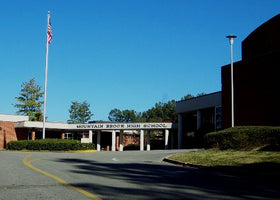
Natalee, an 18-year-old from Mountain Brook, Alabama, disappeared in the early hours of May 30, 2005, during a graduation trip to Aruba. She was last seen after leaving a nightclub area in Oranjestad with Joran van der Sloot and two other young men. The first challenge for investigators was basic but consequential: they did not have a confirmed account of where she had gone after that night, or a verified location where a crime had occurred.
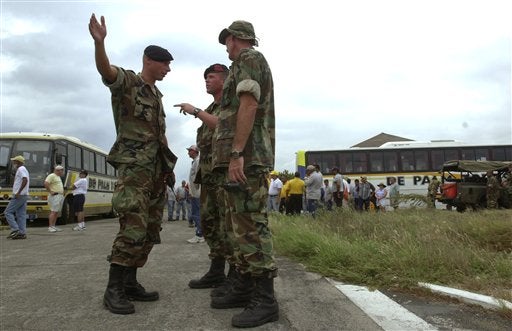
Aruban police, Dutch military personnel, FBI agents, local residents and volunteers searched beaches, roadsides, scrubland and other areas. The operation was large, but the leads were uneven. Some reports placed Natalee near the Marriott and Palm Beach area; other accounts shifted the possible route or suggested that she had been taken elsewhere. Search teams could not simply follow a single, established path.

In June 2005, police also searched a beach area near the Marriott after a former detainee said Natalee and one of the young men had been dropped there rather than at the Holiday Inn. The report was a lead, not a verified sighting of a body. The search ended without a discovery, and the account did not settle where Natalee had gone.
The pond search: a specific tip, a difficult site
In late July 2005, investigators turned to a pond near the Marriott and the Aruba Racquet Club. A gardener’s account reportedly placed a vehicle and several young men near the area during the early morning hours of May 30. Authorities pumped water from the pond so that the bottom could be examined, and reports said they intended to dredge or search the exposed area.
The pond operation was not a search of the entire coastline. It was a focused attempt to test a particular account. Contemporary reporting described the water being pumped out over several days, with rainwater and the condition of the basin complicating the work. The lead did not produce Natalee or a publicly confirmed trace of her remains.
The episode also shows how quickly the physical task could change. A pond that had been relatively dry could fill after rain; mud and debris could conceal objects; and investigators first had to decide whether the tip was reliable enough to justify an intensive search. Even a thorough examination of one small site could only answer whether evidence was found there, not what happened somewhere else.
Why the landfill became a search site
At the end of July 2005, police and Texas EquuSearch volunteers searched the Parakietenbos landfill in southern Aruba. The site was on the opposite side of the island from the area where Natalee was last seen. The operation followed a witness account that a female body had allegedly been dumped there on June 1, two days after her disappearance.
Crews used heavy equipment, including tractors and bulldozers, along with shovels, dogs and other search methods reported at the time. The search coordinator said the witness could not identify the people he claimed to have seen. Journalists were kept outside the landfill gates, limiting what the public could independently observe about the precise search grid or the material examined.
Associated Press reports from July 29 and 30 said crews searched the landfill but found no confirmed evidence linking the site to Natalee. The operation was difficult to document from outside, and the tip itself was not independently established as true. The important point is not that investigators proved no one had ever used the landfill; it is that the search prompted by that particular allegation did not locate Natalee or confirm the witness’s story.
In the first weeks of the case, other leads also sent investigators toward beaches, roadside areas and objects that might have been connected to the disappearance. A strand of hair found on duct tape along Aruba’s northern coast, for example, was sent for DNA testing and was determined not to be Natalee’s. A lead can be worth checking without ultimately being reliable.
Flyers, volunteers and the scale of the island-wide effort
The search was not limited to police teams. Volunteers distributed flyers, residents joined searches and the family made repeated public appeals. The images from that period show how visible the effort became in Aruba: missing-person notices appeared in hotels and public spaces, and search parties worked with Dutch marines and local authorities.

Contemporary CBS/AP coverage reported that hundreds of volunteers took part in the early search and that thousands of civil servants were released from work to help. That scale matters, but headcount alone does not establish that every possible location was searched. Searchers still needed a credible lead, access to private or restricted property, appropriate equipment and a practical way to examine each terrain.
The shift offshore: sonar, divers and deeper water
By late 2007, Natalee’s father, Dave Holloway, said he believed the search should extend into deeper water. He told the Associated Press that the family had searched land areas and was now arranging a private offshore effort with divers, sonar equipment and the ability to map the seabed. The idea was to examine areas that earlier operations might not have been equipped to reach.
That shift was not an official conclusion that Natalee’s remains were in the ocean. It was a search strategy based on the family’s assessment of the available information and the limits of earlier searches. Offshore work is technically different from looking through a field or landfill: teams must define a search area, map the bottom, account for depth and visibility, and interpret sonar returns that may represent rocks, debris or man-made objects.

In late 2007, a privately funded expedition using the vessel Persistence searched offshore. News reports described sonar work and the use of a remotely operated vehicle to inspect an object that appeared on the seabed. The object was not confirmed to be Natalee’s remains. Divers and investigators did not recover evidence that established a location for her body, and the expedition ended without a confirmed find.
It is important not to turn a sonar image or a possible shape on the ocean floor into a discovery. Underwater search equipment can identify objects that merit a closer look, but a visual impression must be checked by divers or a remotely operated vehicle, and any material recovered must be forensically examined. In the Persistence search, the public record did not produce a verified identification.
Later searches were still driven by individual leads
In March 2009, Dave Holloway arranged another search of a retention pond in Aruba, this time with a tracker-dog specialist. The Associated Press reported that the investigator had searched for Natalee eight times before and that Aruban police escorts were required. The search was again tied to a witness who identified the pond as a possible location. It did not produce a confirmed recovery.
In March 2010, Aruban divers searched after vacationers brought forward an underwater photograph that they believed might show human remains. Police examined the area but did not find the objects shown in the photograph. Officials said the image likely depicted coral or a rock formation rather than a skeleton, and the search was called off. This was another example of a lead that looked compelling at first but did not survive on-site checking.

Why the searches did not add up to a confirmed recovery
Looking back, the land, landfill and sea searches had several common limits. First, they were shaped by changing and sometimes contradictory accounts of Natalee’s last movements. Second, some of the most intensive operations were prompted by single witnesses or unverified photographs. Third, the search environments were fundamentally different: a pond, a landfill, a beach and deep water each require different equipment and methods.
There is also a difference between searching an area and proving that every part of it has been exhaustively examined. Public reporting does not provide a complete map of every search grid, every sonar pass or every section of landfill material inspected. It would therefore be inaccurate to claim that investigators searched every square foot of Aruba or every possible offshore location.
The 2023 account from Joran van der Sloot added a new statement about what he said happened after the attack on the beach. He said he pushed Natalee’s body into the sea. But that account did not provide a verified set of coordinates or lead to a recovery. It should be treated as his statement in the context of his U.S. plea, not as proof that investigators know where her remains went.
A later development also underlined the need to test leads carefully. In February 2023, Aruba’s Public Prosecutor’s Office said an investigation conducted with the FBI into information circulated by journalist Greta Van Susteren had found that the information did not solve the case. Authorities said the purported clothing, shoe, DNA, photographs and images of bones were fraudulent or misleading; one bone image had been taken from an unrelated 2018 article about a Costa Rican landfill. That episode did not reopen a verified search site. It showed how easily false material can send a family and investigators toward another dead end.
What is known — and what remains unknown
There is a documented history of extensive searches: early land and beach operations, the Marriott-area pond, the Parakietenbos landfill, offshore work, later pond searches and a dive operation prompted by an underwater photograph. Those efforts did not produce a confirmed recovery of Natalee’s remains.
What cannot be established from the public record is that one particular failed search explains why she was never found. The landfill search did not validate the witness’s account. The pond searches did not identify remains. Offshore expeditions did not establish a recovery location. And the 2023 confession did not close the physical search question.
For a deeper look at what van der Sloot said in 2023 and why an ocean search is so challenging, read our companion report, Why Natalee Holloway’s Body Was Never Found — Van der Sloot’s Confession Details. Our coverage of the 2023 cinder-block confession explains the distinction between an admission in a U.S. financial-crime case and a murder conviction.
Frequently asked questions
Was Natalee Holloway’s body found in the Aruba landfill?
No. The July 2005 landfill search did not produce a confirmed recovery of Natalee’s remains or verify the witness account that prompted the operation.
Why did investigators drain a pond near the Marriott Hotel?
Investigators followed a witness account that placed people and a vehicle near the pond during the early hours after Natalee disappeared. Authorities pumped water from the pond so the area could be examined, but no confirmed remains were found.
Did the 2007 offshore search find Natalee Holloway?
No confirmed remains were recovered. The private expedition used offshore search equipment, including sonar and a remotely operated vehicle, to inspect possible objects on the seabed, but it did not establish a recovery location.
Was an underwater photograph in 2010 evidence of Natalee’s remains?
No. Aruban divers searched after a couple submitted a photograph they believed might show remains. They did not find the objects in the image, and officials said it likely showed coral or a rock formation.
Did the 2023 confession tell investigators where to find Natalee?
Van der Sloot said he pushed Natalee’s body into the sea, but the public account did not establish a verified location or lead to the recovery of her remains.
Did Aruba and the FBI investigate later claims about bones and clothing?
Yes. Aruba’s Public Prosecutor’s Office said in February 2023 that an investigation with FBI assistance found the 2022 information was deceptive and did not solve the disappearance. Authorities said DNA, clothing and image claims were false or misleading.
Sources and further reading
- CBS News/AP photo archive: Search teams, volunteers and public appeals in Aruba, June 2005
- Associated Press: Crews search Aruba landfill for missing Alabama teen, July 29, 2005
- Associated Press/CBS News: Police search landfill for Natalee, July 31, 2005
- Associated Press: Holloway family plans deeper-water search off Aruba, November 2007
- CBS News/AP: Police call off search prompted by underwater photograph, March 2010
- Aruba Public Prosecutor’s Office: Findings of the 2022 investigation with FBI assistance, published February 2023
- ABC News: Natalee Holloway disappearance timeline and 2023 proffer account
Reporting note: This article distinguishes confirmed search operations from the tips that prompted them, and separates search outcomes from unverified claims. Photo captions identify the original AP/CBS credits; display of third-party photographs does not itself grant reuse rights.