For years, the phrase “open investigation” has been central to the public story of Natalee Holloway’s disappearance. After Joran van der Sloot admitted in 2023 that he killed the 18-year-old American in Aruba in 2005, many people expected the criminal case on the island to move toward a conventional prosecution. Instead, the legal picture became more complicated: Aruban prosecutors reviewed material obtained from U.S. authorities, said the evidence was not sufficient to prosecute murder or qualified manslaughter in Aruba, and in April 2026 made the Aruban case file available to prosecutors in Amsterdam for their assessment of a complaint filed by Beth Holloway.
So what does “open” mean now? It does not mean that an Aruban murder trial is imminent, that prosecutors have announced a new charge, or that the Dutch authorities have already decided to prosecute. It means the disappearance remains a matter for official legal consideration, while the practical route toward any further criminal proceedings has shifted toward the Netherlands. The distinction between an investigation, a prosecutable offense and a court conviction is essential to understanding where the case stands.
Quick answer: Aruba’s Public Prosecutor’s Office publicly described Natalee Holloway’s disappearance as an open investigation in its 2023 response after van der Sloot’s confession. In April 2026, the Aruban prosecution service said it had received U.S. documents, found insufficient evidence at that stage for murder or qualified manslaughter charges in Aruba, and would provide the file to the Dutch Public Prosecution Service in Amsterdam after Beth Holloway filed a complaint there. The Dutch review is a separate legal process; a transfer of files is not the same as a decision to charge.

Why the case was described as open after the 2023 confession
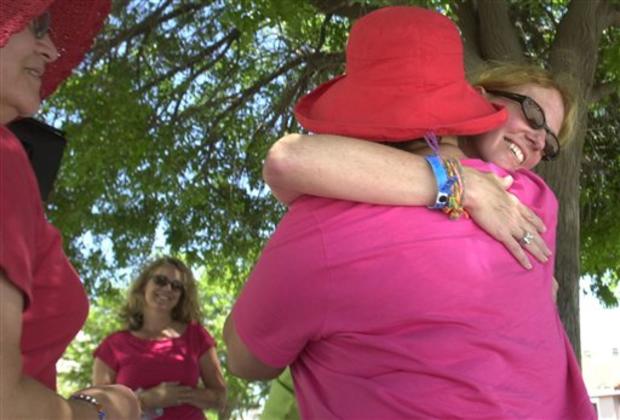
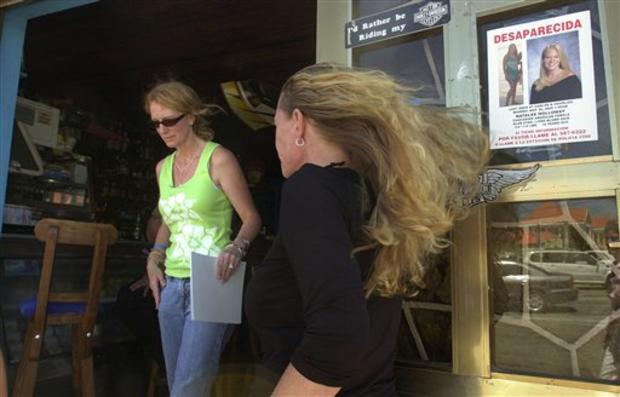
Natalee Holloway disappeared on May 30, 2005, during a high-school graduation trip to Aruba. She was 18. The case drew international attention, generated repeated searches and investigations, and left her family without a confirmed account of what happened for many years. Van der Sloot was long a central figure in the investigation, but the confession that became public in October 2023 came through a U.S. federal proceeding involving his attempt to extort money from Natalee’s mother.
In the U.S. proceeding, van der Sloot admitted to killing Natalee. That admission was part of the factual basis discussed in the federal case, but the U.S. conviction was for extortion and wire fraud—not a U.S. murder conviction for a killing that occurred in Aruba. The distinction matters because criminal jurisdiction depends on where an alleged offense occurred, the applicable law and the legal basis for prosecution.
After the confession became public, Aruba’s Public Prosecutor’s Office said it had requested official documents and transcripts from the U.S. Department of Justice. The office said the disappearance remained an open investigation and that it would examine the material before deciding what procedural steps, if any, were possible. The Associated Press reported that position in October 2023.
What changed when Aruba received the U.S. documents
The most important later update came from the Aruban Public Prosecution Service itself. In a statement dated April 2, 2026, the office said the U.S. Department of Justice had supplied a substantial number of requested documents in January 2026. Aruba said it reviewed those materials and concluded that, at that point, there was insufficient evidence to prosecute van der Sloot for murder or qualified manslaughter under Aruban law.
The same statement explained a separate limitation issue: the Aruban prosecution service said the ordinary manslaughter offense had already become time-barred in Aruba. It also said the limitation period had not expired in the Netherlands and that prosecution there could in principle be possible because van der Sloot is Dutch. That is a statement about legal possibility, not a promise that Dutch charges will follow.
In March 2026, Beth Holloway filed a criminal complaint alleging murder and/or manslaughter with the Dutch Public Prosecution Service in Amsterdam. Aruba then offered to make its full case file available to the Dutch office so that it could assess the complaint. The official Dutch Public Prosecution Service published the transfer announcement on April 2, 2026.
Why “open investigation” does not mean an Aruba murder trial is coming
Public language can make the status sound more definite than it is. An investigation can remain open to information or official review even when prosecutors believe the available evidence does not currently support a particular charge. A prosecutor’s office can also preserve or transfer a case file without deciding that a suspect should be indicted. These are different procedural stages.
There are at least four separate questions readers should keep apart:
- Is the disappearance still an official matter? Aruba’s prosecutor publicly described it as an open investigation after the 2023 confession and later reviewed additional U.S. material.
- Does Aruba currently say it has enough evidence for a murder charge? Its April 2026 statement said the material it reviewed was insufficient for murder or qualified manslaughter prosecution at that stage.
- Can Aruba prosecute ordinary manslaughter? The same statement said that offense had become time-barred under Aruban law.
- Can the Netherlands assess a complaint? Aruba said Dutch prosecution could in principle be possible, and it provided its file for the Dutch authorities to assess Beth Holloway’s complaint.
That is why a headline or social post saying the case is “reopened” or “headed for trial” should be treated cautiously unless it points to a formal decision by prosecutors or a court. The public record supports a Dutch review of a complaint and a transfer of case materials; it does not establish that a new murder prosecution has begun.
What the Dutch review could—and could not—change
The Dutch review matters because the Aruban prosecutor identified a possible jurisdictional route in the Netherlands. The Dutch authorities must independently assess the complaint, the available evidence, the relevant Dutch criminal law and any procedural requirements. Aruba’s decision to make its file available gives Dutch prosecutors material to consider; it does not bind them to a particular conclusion.
As of the latest official public update located for this article, the Dutch Public Prosecution Service had announced receipt of the Aruban file for the purpose of assessing Beth Holloway’s complaint. No official public announcement confirming a new murder charge or trial date was identified in the cited material. Netflix’s November 2026 interview with Beth also described the Dutch process as ongoing, with documents being gathered and reviewed.
Van der Sloot remains imprisoned in Peru, where he is serving a sentence for the 2010 murder of Stephany Flores Ramírez. His separate U.S. sentence followed his guilty plea to extortion and wire fraud connected to the attempt to obtain money from Beth Holloway. Those convictions do not themselves constitute a murder conviction for Natalee’s death.
Why the case file matters even without an immediate charge
A case file can contain witness statements, investigative records, forensic material, transcripts and other documents gathered across years and jurisdictions. For prosecutors reviewing a complaint, the value of the file is not simply its size. They must consider whether evidence is admissible, reliable, legally sufficient and capable of supporting the elements of an offense under the law that applies.
In this case, the Aruban statement is particularly important because it records both the limits of Aruba’s own assessment and the reason the Netherlands became relevant. It does not say that the confession alone automatically meets every legal requirement for a murder charge. Nor does it say that Dutch prosecutors have accepted the complaint. It describes the next procedural step: sharing the file so the Dutch office can make its own assessment.
The distinction protects the accuracy of coverage and the integrity of the process. A confession reported in one proceeding, an investigative file, a prosecutor’s assessment and a criminal conviction are not interchangeable. Each has a different legal meaning.
What to watch for next
The clearest signs of a meaningful legal development would be an official statement from the Dutch Public Prosecution Service, a formal charging decision, a court filing or a published judicial decision. Until then, reports should describe the process as a review of Beth Holloway’s complaint using the Aruban case file—not as a confirmed prosecution.
Readers should also distinguish an official update from commentary in a documentary, interview or social-media post. Those sources can explain what a family member hopes will happen, but only the responsible authorities can confirm the procedural status of a criminal case. The most reliable approach is to check the date and wording of the latest statement from the Aruban or Dutch prosecution service.
Frequently asked questions
Did Aruba officially call Natalee Holloway’s disappearance an open investigation?
Yes. After Joran van der Sloot’s 2023 confession became public, Aruba’s Public Prosecutor’s Office said the disappearance remained an open investigation while it sought and reviewed official U.S. documents.
Did Aruba say it had enough evidence to charge van der Sloot with murder?
No. In its April 2, 2026 statement, the Aruban Public Prosecution Service said its review of the U.S. documents had not produced sufficient evidence at that stage to prosecute murder or qualified manslaughter in Aruba.
Why was the case file sent to the Netherlands?
Beth Holloway filed a criminal complaint in Amsterdam in March 2026. Aruba offered its case file to the Dutch Public Prosecution Service so that it could assess the complaint.
Does the transfer mean Joran van der Sloot has been charged in the Netherlands?
No. A transfer of investigative material for assessment is not a charging decision. The cited official statements do not announce a new Dutch murder charge or trial date.
Why does the statute of limitations matter?
Aruba said ordinary manslaughter was time-barred under its law and that the limitation period had not expired in the Netherlands. Different jurisdictions can have different limitation rules and legal requirements.
Is Natalee Holloway’s body recovered?
No. The cited public reporting says her remains have not been found. The absence of recovered remains does not by itself settle every legal question, but it is an important fact in the history of the case.
Sources and official documents
- Netherlands Public Prosecution Service, April 2, 2026 — official announcement that Aruba made its case file available to the Amsterdam office, with Aruba’s assessment of the U.S. documents and limitation issues.
- Public Prosecutor’s Office of Aruba: Natalee Holloway — official background on the 2022 investigative lead and the Aruba/FBI review.
- Associated Press, October 2023 — reporting on Aruba’s request for U.S. records and its statement that the disappearance remained an open investigation.
- Netflix Tudum, November 4, 2026 — interview with Beth Holloway about the complaint and the continuing Dutch review.
- CBS News: Natalee Holloway — Search Continues — archival AP photographs documenting the 2005 search and family efforts.
Editorial note: This article distinguishes official statements from media reporting and family commentary. It does not state that a Dutch prosecution is guaranteed or that a new charge has been filed.
Author: Shivam Das