Rotten Tomatoes has no score yet — so what do the early reviews say?
Taken: Natalee Holloway arrived on Netflix on November 4, 2026, as a three-part documentary about the 2005 disappearance of 18-year-old Natalee Holloway in Aruba and her mother Beth’s long search for answers. But anyone opening Rotten Tomatoes to settle the “stream or skip?” question will find an important blank: the series page currently displays dashes for both its Tomatometer and Popcornmeter. There is no verified Rotten Tomatoes critics’ score or audience score to quote at this early stage.
That absence is not a negative rating. It means the page has not yet accumulated a score that Rotten Tomatoes is displaying. The useful early signal instead comes from individual reviews. Decider’s November 4 review recommends streaming the series, praising its emotional access to Beth Holloway and the people who stood beside her, while noting that viewers who already know the case may not encounter much genuinely new information. The National’s November 6 assessment similarly sees the series’ emotional center in Beth, but questions how much new ground it breaks.

What Rotten Tomatoes actually says right now
The Rotten Tomatoes listing for Taken: Natalee Holloway identifies the series as a 2026 crime documentary and lists its November 4 release date. At the time of this review, however, it shows no Tomatometer average and no Popcornmeter average. Readers should resist treating the blank fields as a zero, a poor score, or evidence that audiences have rejected the series.
There is also a distinction between a review existing somewhere online and that review being counted in Rotten Tomatoes’ score. Decider has published a review, but the Rotten Tomatoes page still does not display an aggregate score. The honest reading is simple: the documentary has early critical coverage, but no Rotten Tomatoes consensus score is available to use as a shortcut.
The strongest early case for pressing play
The most persuasive argument for streaming the series is its change of perspective. The case was covered for years as a mystery, a police investigation, and a media spectacle. The documentary puts Beth and Natalee’s friends closer to the center, making room for the person behind the headline and for the long, exhausting work of trying to establish what happened.
Netflix describes the three episodes as a story built around Beth, people who were with Natalee, investigators, and previously unseen material. Its official account says the series follows the disappearance, the international search, and the eventual 2023 admission by Joran van der Sloot. The production’s access to friends, former investigators, journalists, and archival material gives the story a broader human and procedural frame than a simple recap.
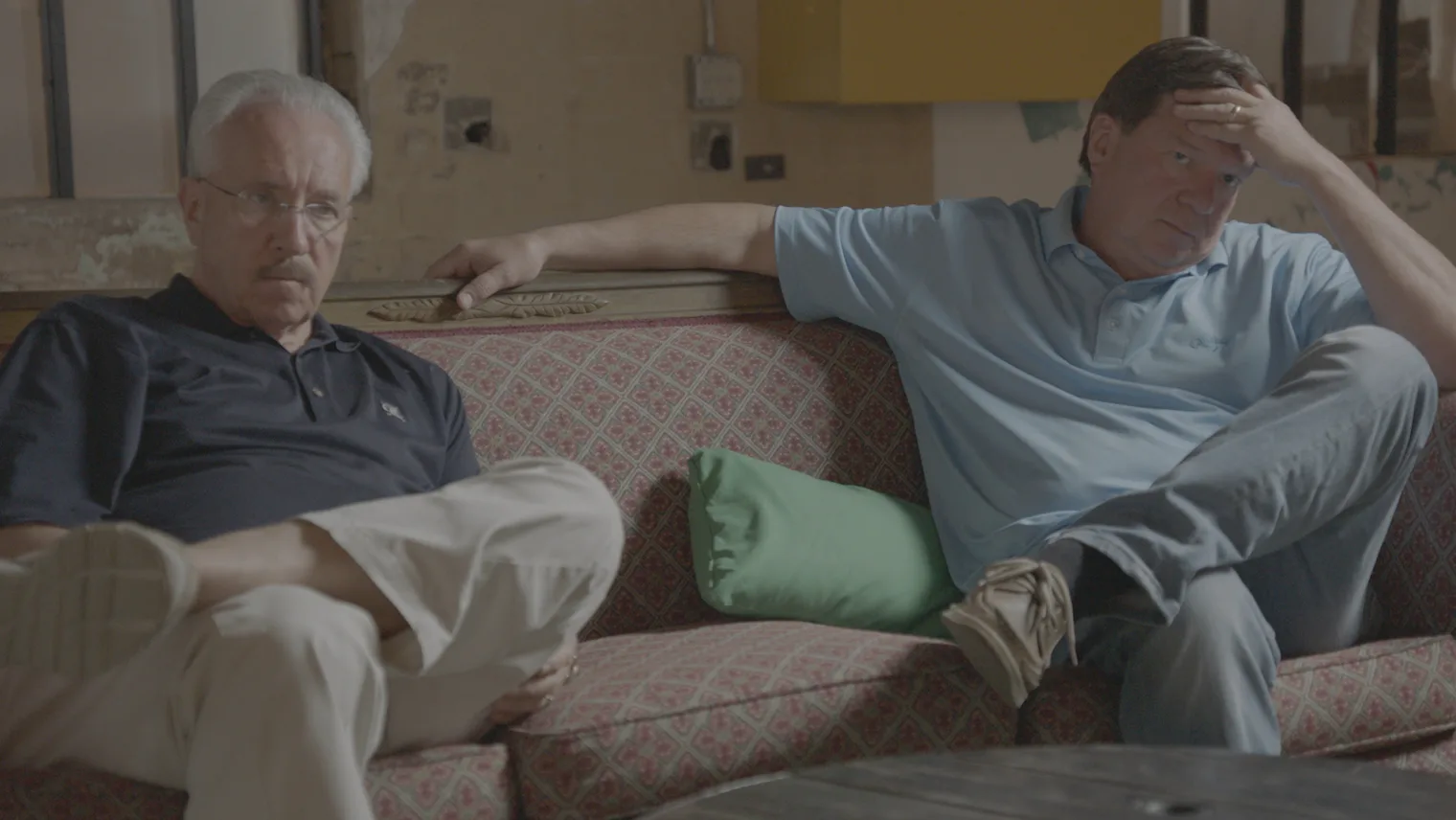
That emphasis matters because Natalee was not simply the subject of a case file. She was an 18-year-old from Mountain Brook, Alabama, who had just graduated and was preparing to attend the University of Alabama on a scholarship. Netflix’s reporting on the series recalls her ambition, her friendships, and her plans. Reintroducing those details helps counter the way years of headlines can flatten a young person into a symbol.
What the early reviews praise — and what they question
Decider’s review is the clearest early “stream” recommendation. It describes the three-part series as brisk and emotionally compelling, particularly because Beth’s anger, grief, and persistence remain visible rather than being buried under a mechanical timeline. It also points to the perspectives of friends and people who helped her. Its reservation is important: viewers who have followed the case closely may find that much of the chronology is already familiar.
The National’s November 6 review lands in a similar place, but adds a useful critical angle. It says the documentary may not deliver major new revelations, while still finding value in the emotional account of Beth’s experience. It also notes that the series revisits the media frenzy and the way American coverage shaped perceptions of Aruba and its investigators. That wider context is valuable: a documentary about a highly publicized case should examine not only what happened, but also how the story was told and who was affected by that coverage.

Where the documentary may feel familiar
For longtime followers, the central timeline is not new: Natalee disappeared during a graduation trip to Aruba in May 2005; the search became an international story; van der Sloot spent years giving changing accounts; and in 2023 he admitted in a proffer agreement tied to U.S. extortion and wire-fraud charges that he killed her. The documentary’s value is less about replacing that public record than about gathering the people and footage into one chronological account.
There is also a limit that no documentary can erase. Natalee’s remains have never been recovered. Van der Sloot has not been charged with her death in Aruba or convicted of her murder there. His 2023 admission came in the context of the U.S. case, and he remains imprisoned in Peru for the murder of Stephany Flores, while also serving a concurrent U.S. sentence for extortion and wire fraud. Keeping those legal distinctions clear is essential when assessing any true-crime series about this case.

Does it offer enough new material?
The most notable new element highlighted in early coverage is previously unseen footage connected to the 2010 FBI operation involving van der Sloot’s attempt to obtain money from Beth’s lawyer in exchange for information about Natalee’s remains. People’s reporting describes footage of the hotel meeting and the false account van der Sloot gave about where Natalee’s body had been placed. That material adds documentary texture to a chapter that has often been summarized in print.
But “previously unseen footage” should not be confused with a new resolution of the case. It illuminates the extortion attempt and the investigative strategy; it does not recover Natalee’s remains or create a murder conviction in Aruba. The strongest version of the series’ contribution is therefore its assembly of testimony, archival material, and personal memory — not a claim that every unanswered question has been settled.

Stream or skip? Our early verdict
Stream it if you want a carefully gathered, emotionally focused account of Beth Holloway’s long search, the people who supported her, and the way the case moved from a missing-person investigation to a 2023 admission. The early reviews suggest that the series works best as a human story, not as a puzzle-box thriller.
Skip it for now if you have followed every major development and are looking only for a new forensic breakthrough, a definitive explanation of every investigative failure, or a Rotten Tomatoes consensus score. None of those is available from the early response. The blank Tomatometer and Popcornmeter fields mean the rating question remains open.
Our recommendation is a qualified stream. The series appears most worthwhile for viewers who want to understand the human cost of the case and hear from the people closest to Natalee. Its limitations are equally clear: the story’s core facts are familiar to longtime followers, and the missing remains leave an absence no final episode can fill.
Watch the official trailer
Netflix’s official trailer introduces the three-part documentary and its focus on Beth, Natalee’s friends, and the search for answers.
Frequently asked questions
Does Taken: Natalee Holloway have a Rotten Tomatoes score?
Not at the time of this article’s publication. Rotten Tomatoes currently displays dashes for both the Tomatometer and Popcornmeter on the series page. Those blank fields are not a zero score.
What do the early reviews say about Taken: Natalee Holloway?
Decider recommends streaming it for its emotional focus on Beth Holloway and the people around her, while noting that longtime followers may learn little that is new. The National also highlights the emotional center and questions how much new information the series adds.
How many episodes are in the Netflix documentary?
Taken: Natalee Holloway is a three-part documentary series. Netflix released it on November 4, 2026.
Is the documentary worth watching if I already know the Natalee Holloway case?
It may be worth watching for its interviews, archival material, and emotional perspective. If you want only major new evidence or a completely new case resolution, the early reviews suggest your expectations should be modest.
Has Joran van der Sloot been convicted of Natalee Holloway’s murder?
No. He admitted killing Natalee in a 2023 proffer agreement connected to U.S. charges, but he has not been charged with her death in Aruba. He is serving a Peruvian sentence for the murder of Stephany Flores and a concurrent U.S. sentence for extortion and wire fraud.
Related coverage
- Beth Holloway’s Daily Ritual After Netflix Doc: Kissing Natalee’s Portrait Every Morning
- Why Beth Holloway Returned to Speech Pathology After 9 Years Searching for Natalee
- “He Knows”: Beth Holloway’s First 2005 Meeting with Joran van der Sloot Revealed in New Interview
Sources
- Rotten Tomatoes: Taken: Natalee Holloway — current listing and score status
- Decider: Stream It or Skip It review, November 4, 2026
- The National: Netflix’s Taken revisits the case, November 6, 2026
- Netflix Media Center: Official series synopsis and production details
- Netflix Tudum: Beth Holloway interview and legal-status update, November 4, 2026
- People: Previously unseen footage from the 2010 FBI operation
Editorial note: This is an early-reception assessment based on the published reviews and official series information available at publication time. It does not claim to be a personal screening review or to represent a Rotten Tomatoes consensus. Image credits are provided where identified; the publishers’ image display does not itself establish a reuse license.