From a mother’s search to a public message
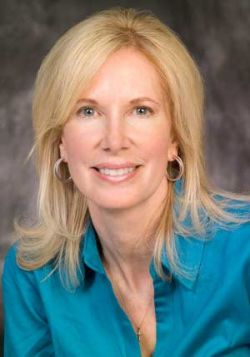
Beth Holloway did not set out to become a motivational speaker. Before her daughter Natalee disappeared during a high-school graduation trip to Aruba in May 2005, Beth’s professional life was rooted in education: she was a speech-language pathologist who worked with children with special needs. The disappearance transformed her family’s life, but it also pushed her into a public role she had never planned — speaking to students, parents, and communities about hope, faith, travel safety, and the difficult work of seeking answers.
That role has lasted long beyond the first wave of headlines. A 2011 profile by Saint Mary-of-the-Woods College said Holloway had already spoken to tens of thousands of students and parents in schools, colleges, churches, professional associations, and government settings. Her message was not simply to admire her endurance. It was to turn a painful story into practical safety education and support for other families.
What the latest interview reveals about her speaking mission
In a November 9, 2026 episode of On Purpose with Jay Shetty, Holloway revisited the 18-year search for answers after Natalee vanished. The conversation also examined how she carried her daughter’s story into schools and college campuses, and why she made personal and travel safety part of her public message. The episode’s published chapter list includes a section on “Touring High Schools to Turn Anger Into Purpose” and a closing discussion of resilience and safety.
Holloway explained that she made a commitment in the early days of the search to take Natalee’s story to high-school and college audiences if she was given the opportunity to deliver a safety message. She recalled spending nearly two years travelling with a small carry-on suitcase, trying to reach as many young adults as she could. Her purpose was prevention: she did not want another family to face the same nightmare.
That distinction matters. Her public speaking was not only a retelling of a crime story. It was a campaign to make young people think ahead about their surroundings, travel plans, and the people they trust. The message was directed at students who were preparing to travel without their parents, but it also asked parents and institutions to take safety conversations seriously before a crisis.

Lesson one: turn experience into something useful — without pretending it was worth the pain
One of the most important lessons in Holloway’s story is also one that needs careful wording. Turning grief into service does not make the loss acceptable, and it does not mean that suffering is automatically a gift. Holloway’s work has been an attempt to make something protective and useful from an experience she would never have chosen.
In the Jay Shetty interview, she described how anger was part of her response during the early years. She did not present herself as calm or perfectly composed. She talked about the frustration of seeing suspects released, the barriers she encountered, and the determination that kept her moving. The practical lesson is not that people should suppress anger. It is that anger can be directed toward a clear, constructive goal — in her case, educating young travellers and helping families who are suddenly forced to navigate a missing-person case.
In a 2013 appearance reported by Premiere Speakers Bureau, Holloway described different phases of hope and explained that she wanted to teach others from what her family had endured. That is a more grounded form of motivation than a promise that determination can control every outcome. Her story shows how a person can choose a next step even when the final answer is outside their control.

Lesson two: persistence needs a mission, not just momentum
Holloway’s search lasted nearly two decades. Persistence, in her case, involved repeatedly asking questions, keeping public attention on Natalee’s disappearance, working with investigators and attorneys, and learning how to navigate institutions that were unfamiliar to her. But persistence alone is not a strategy. The public-facing part of her work became more focused when she connected the search to a defined mission: help young people travel more safely and help other families find resources when someone goes missing.
The International Safe Travels Foundation was established after Natalee’s disappearance to educate people about safer international travel. The Natalee Holloway Resource Center, developed in partnership with the National Museum of Crime & Punishment, offered education and information for families and young adults. Its resources included college safety information, travel safety guidance, and directions for what to do when someone disappears. The center described itself as an education and crime-prevention resource, not a recovery service — an important distinction for families who need to contact law enforcement immediately.
For audiences hearing Holloway speak, this is a practical takeaway: identify what the next useful action is. A search, a safety plan, a phone call to the right authority, or a resource shared with another family can be more useful than trying to solve every part of a crisis at once.
Lesson three: ask for help, and make room for other families
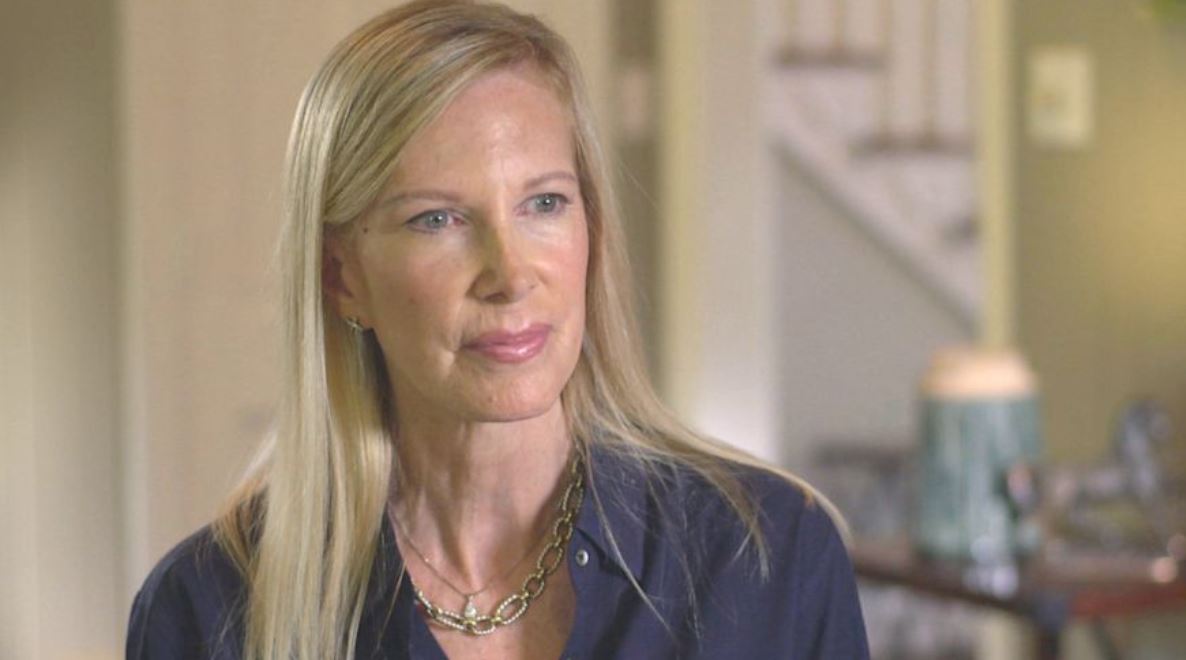
Holloway has often credited the people who supported her family during the search. The 2026 Netflix Tudum interview describes how she now shares what she learned with families of other missing people. She may help facilitate communication with law enforcement or point families toward search-and-rescue resources, personnel, and guidance. That kind of support is specific: it does not replace trained investigators, but it can help a family understand whom to contact and what questions to ask.
The lesson is not to become a lone hero. It is to build a network of people with relevant skills, ask for help, and pass useful knowledge along. Holloway’s experience shows how much a family can be forced to learn under pressure — and why that knowledge should not have to remain private once it can help someone else.
Lesson four: faith and hope can coexist with anger and uncertainty
Holloway has described faith as a source of strength during the search. In the Netflix interview, she recalled a spiritual turning point in Aruba and said that faith, love, and hope helped carry her through the long effort to find out what happened. Her account is personal; it should not be turned into a universal prescription for how anyone else must grieve.
Her speaking message is more useful when understood as an invitation rather than a rule. Some people draw strength from faith, others from family, friends, professional support, or a cause. The common thread is finding support that allows a person to continue without denying the reality of what happened.
What changed after the 2023 admission — and what has not
In 2023, Joran van der Sloot admitted in a proffer agreement connected to his U.S. extortion and wire-fraud case that he killed Natalee. He pleaded guilty to the U.S. charges involving an attempt to obtain money from Beth in exchange for information. That admission answered the central question Beth had pursued for years, but it did not amount to a Dutch murder conviction.
In the November 4, 2026 Netflix Tudum interview, Beth said she had been working with attorneys in the Netherlands on a murder complaint and hoped the process would lead to murder charges. As of that interview, van der Sloot had not been charged with Natalee’s death. Beth’s public mission has therefore changed shape: the search for basic answers has ended, but her effort to pursue accountability and support other families continues.
She has also returned to the classroom as a speech pathologist, according to Netflix Tudum. That detail brings her story back to where it began professionally. The speaker and advocate did not erase the educator; the roles now sit alongside one another.
Why Beth Holloway’s message still resonates
Motivational speaking can sometimes flatten complicated lives into slogans. Holloway’s story resists that treatment. It includes determination, anger, exhaustion, faith, public scrutiny, and years of unanswered questions. Her message is not that every tragedy can be overcome through positive thinking. It is that people can take meaningful action, learn from experience, and help others even when they cannot undo what happened.
For students, the message is direct: make safety part of the plan before travelling. For parents, it is a reminder to have practical conversations without assuming that danger only happens to other families. For people facing a crisis, it is a reminder that persistence can be paired with support, expertise, and a specific purpose.
Watch and listen: Beth Holloway’s recent conversation
In the November 9, 2026 episode of On Purpose with Jay Shetty, Holloway discusses the search, faith, and her efforts to turn the experience into a safety message for young people. The episode runs approximately 80 minutes. The official episode listing and listening options are available through Apple Podcasts.
Frequently asked questions
Is Beth Holloway a motivational speaker?
Yes. Beth Holloway has spoken to students, parents, colleges, churches, professional associations, and other audiences about hope, faith, personal safety, and her family’s experience after Natalee disappeared.
What does Beth Holloway speak about?
Her public message has focused on resilience, faith, personal and travel safety, and using lessons from Natalee’s disappearance to help prevent harm to other young travellers and support families of missing people.
Did Beth Holloway travel to schools after Natalee disappeared?
Yes. Holloway has described committing to take Natalee’s story and a personal-safety message to high schools and colleges. In a 2026 interview, she recalled spending nearly two years travelling extensively to reach young adults.
What organizations are associated with Beth Holloway’s advocacy?
Her work has been associated with the International Safe Travels Foundation and the Natalee Holloway Resource Center, which provided public education and information for families dealing with missing-person cases.
What is Beth Holloway doing now?
In a November 2026 interview with Netflix Tudum, Beth said she had returned to speech pathology, continued helping families of missing people, and was pursuing a murder complaint in the Netherlands related to Natalee’s case.
Sources and further reading
- Netflix Tudum: Beth Holloway on her current work, faith, and the Netherlands complaint (November 4, 2026)
- On Purpose with Jay Shetty: Beth Holloway’s 18-year search and safety mission (November 9, 2026)
- Saint Mary-of-the-Woods College: Beth Holloway, teacher, mother and advocate
- Natalee Holloway Resource Center: missing-person education and safety resources
- Alcatraz East Crime Museum: partnership with the Natalee Holloway Resource Center
- Premiere Speakers Bureau: Beth Holloway on hope and teaching others from her experience
Editorial note: The lessons in this article are an interpretation of Holloway’s public interviews and documented advocacy, not a claim that every person should respond to grief in the same way. Legal status is stated as described in the November 4, 2026 Netflix Tudum interview.