By Shivam Das
When a teenager disappears, a parent’s life can split into two timelines: the ordinary days before the call, and the days after it. Netflix’s Taken: Natalee Holloway returns to that rupture through Beth Holloway’s account of the 2005 disappearance of her daughter, Natalee. But the documentary’s emotional reach extends beyond one family. It invites a difficult question: what might a mother whose child is missing recognize in Beth’s story—and what parts of that experience remain impossible to compare?
There is an important distinction to make at the outset. There is no verified public statement establishing that a group of mothers of missing teenagers has collectively reacted to the Netflix series. This article does not invent such a reaction. Instead, it examines documented words from mothers whose families have faced the disappearance of a child, and explains why Beth’s account may resonate with them without pretending their stories are identical.
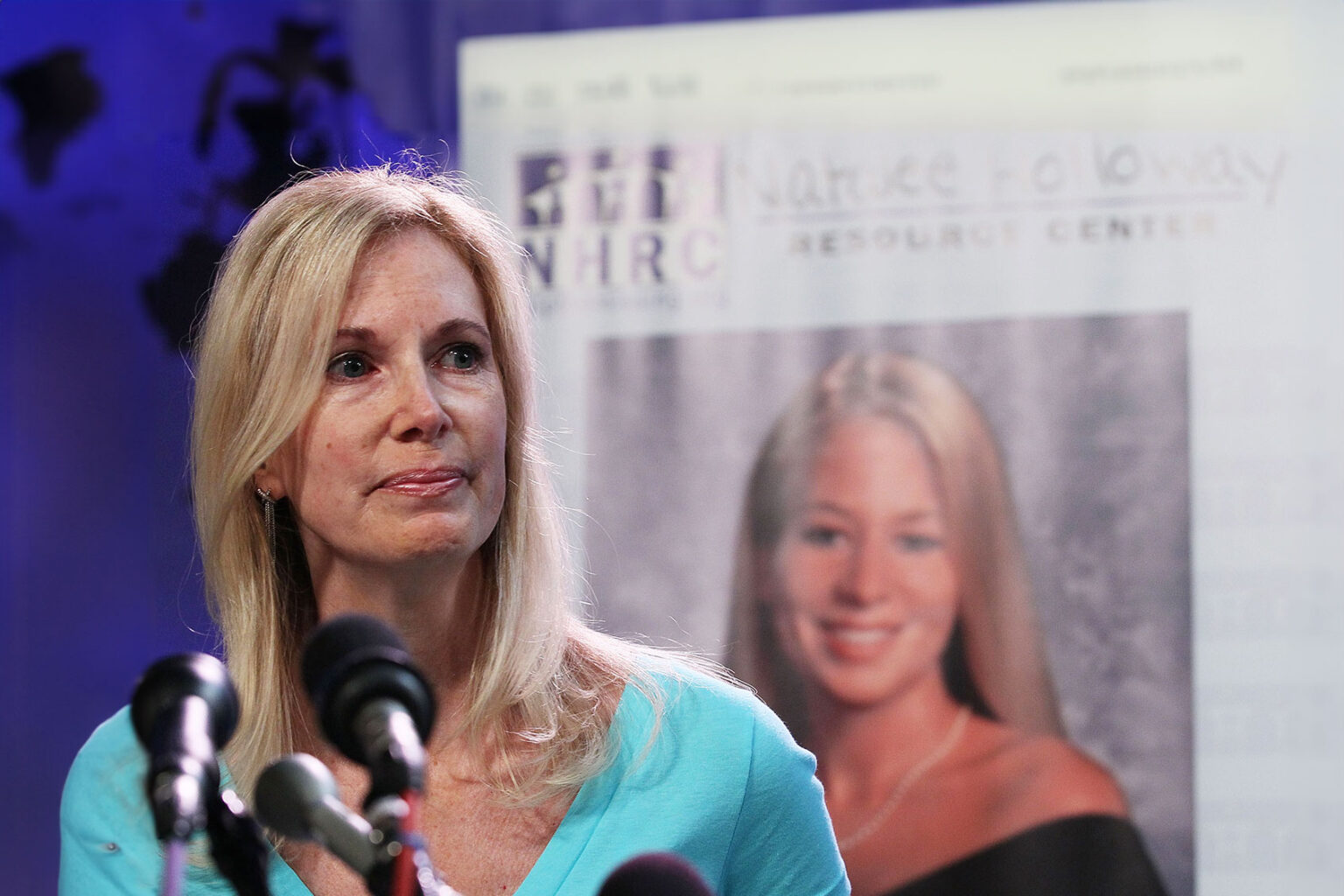

Why Beth Holloway’s story can speak beyond the Natalee case
Natalee Holloway was 18 when she disappeared during a graduation trip to Aruba in May 2005. Her mother flew to the island and spent years pursuing answers. In the three-part Netflix documentary, Beth tells the story from the first frantic search through the 2023 proffer agreement in which Joran van der Sloot admitted to killing Natalee. The confession gave Beth information she had sought for years, but it did not bring Natalee’s remains home. Netflix’s own interview makes clear that Beth distinguishes the end of not knowing from the continuing work of seeking justice.
That distinction matters to families of missing people. A case can change direction, a suspect can speak, and an investigation can reach a new stage without answering every question or ending a family’s grief. Beth has described the uncertainty itself as a lasting ordeal. Her experience is not a universal template, but it gives viewers a concrete account of how a missing-person case can shape everyday life over many years.
Her work after Natalee’s disappearance also moved beyond media appearances. In 2010, Beth helped launch the Natalee Holloway Resource Center, intended to give families practical guidance, contacts, and support when someone goes missing. The center’s stated mission included helping families organize information and communicate with law enforcement and the media. That is a significant part of the story: Beth’s experience became a reason to build resources for other families, not simply a story told back to the public.
Nancy Ruiz’s account shows another mother’s long fight
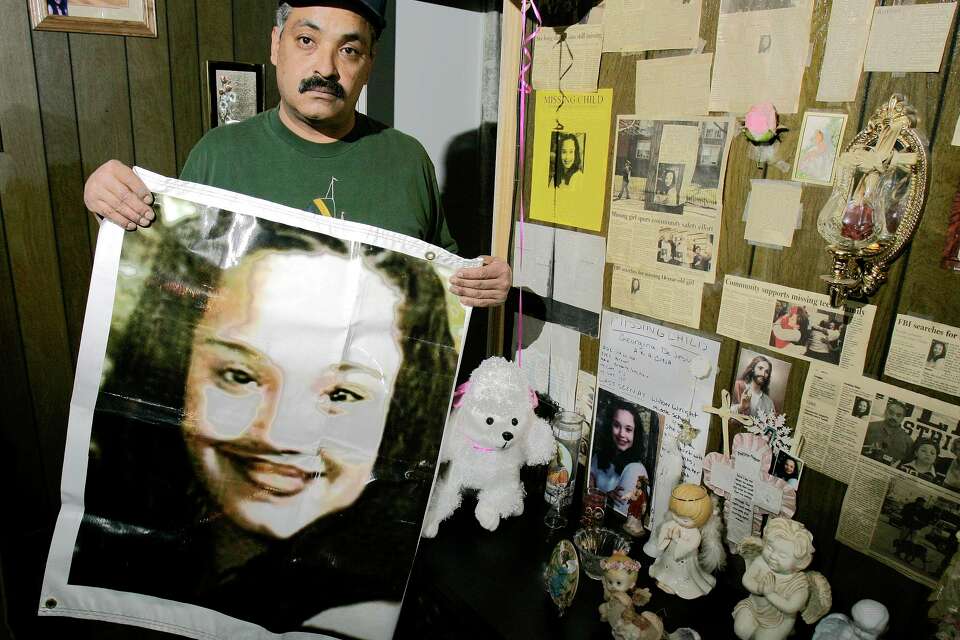
The experience of Nancy Ruiz, mother of Gina DeJesus, offers a documented point of comparison. Gina was 14 when she disappeared in Cleveland in 2004. Her family spent years distributing missing-person flyers, organizing, and trying to keep public attention on her case. Gina was found alive in 2013 after nearly a decade in captivity.
In a 2023 interview with Cleveland 19, Ruiz recalled that she never lost hope or faith. She described the relentless effort to get her daughter’s picture and information in front of people, and acknowledged that the family also had to learn difficult lessons while trying to manage the search. Her words are not a reaction to Beth’s Netflix documentary; they are Ruiz’s own account of what her family endured. They nevertheless reveal a pressure that viewers may recognize in Beth’s story: the parent’s need to keep asking, organizing, and making the missing child visible.

Ruiz’s story also reminds audiences that the outcome of a missing-person case is not predictable. Natalee’s remains have never been recovered. Gina returned home alive. Those outcomes are profoundly different, and treating them as interchangeable would be unfair to both families. What connects the stories is not the ending; it is the years of uncertainty and the work families undertake while answers remain out of reach.
When a missing child returns, the family’s story does not simply reset
Gina’s return was a moment of extraordinary relief, but it did not erase the years she had lost or the work of rebuilding life. The National Center for Missing & Exploited Children later described how Gina had to navigate ordinary milestones that many people experience as teenagers: learning to drive, reconnecting with school-age experiences, and adjusting to life outside captivity. Her family’s joy and her recovery can both be true.
That is another reason to avoid simplistic comparisons. Beth’s documentary centers a mother who received a confession but still has no remains to bring home. Nancy Ruiz’s family experienced the return of a daughter who had survived. Other families remain in the unresolved middle, with neither a confirmed answer nor a reunion. A thoughtful response to Taken: Natalee Holloway should leave room for all three realities.

Beth’s advocacy connects her story to other families
In a recent interview with Netflix’s Tudum, Beth said she now helps families dealing with missing-person cases. She described practical support rather than claiming to have a universal solution: sometimes she helps families communicate with law enforcement or identify search-and-rescue resources and personnel. She has also spoken publicly about the importance of travel safety and the need for families to know whom to contact when someone disappears abroad.
Her comments about Sudiksha Konanki, a University of Pittsburgh student who disappeared in the Dominican Republic in 2025, show that she has continued to speak when another family faces a high-profile search. In an interview with Fox News, Beth discussed the importance of checking available camera footage and coordinating with authorities. Her advice came from experience, but every jurisdiction, investigation, and family situation is different. Families should follow local law-enforcement guidance and contact the relevant authorities immediately rather than rely on a media account as an operational checklist.
The resource-center idea is perhaps the clearest bridge between Beth and other parents. When a loved one disappears, families may suddenly have to navigate unfamiliar agencies, information requests, media attention, tips from strangers, and the emotional strain of waiting. A credible support network can help organize those tasks. It cannot promise a particular outcome, and it should never replace professional investigators, but it can reduce the feeling that a family must figure out every step alone.
What mothers may recognize in the documentary
Without claiming to speak for mothers who have not commented publicly, several themes in Beth’s account may be recognizable to families who have lived through a disappearance:
- The first urgent decisions. Families may be forced to travel, contact police, gather records, preserve messages, and coordinate with relatives before they understand the scale of what has happened.
- The need to keep a person visible. Flyers, photographs, verified information, and responsible media coverage can help sustain public awareness. They must be accurate and respectful of the missing person’s dignity.
- The strain of uncertainty. A lack of reliable information can make ordinary routines difficult. Each new tip can bring hope, fear, or disappointment.
- The complicated relationship with publicity. Media attention may bring leads and resources, but it can also expose families to speculation, intrusive questions, misinformation, and scams.
- The long aftermath. Even when a case changes or a loved one returns, families may continue to need emotional, practical, and legal support.
These are themes, not a checklist of emotions that every parent must experience. People respond differently, and no family should be judged for how they grieve, advocate, speak publicly, or choose privacy.
The documentary’s strongest message may be about support, not comparison
It is tempting to frame Beth Holloway as a symbol of a mother who never gave up. That description captures her persistence, but it can also place an unfair burden on other parents. Not every family has the same resources, public platform, access to investigators, financial means, or capacity to sustain a years-long campaign. A parent should not have to become a public figure to deserve attention and help.
The more useful lesson is collective responsibility. Communities can share verified missing-person information, preserve relevant evidence, avoid spreading rumors, and support families without turning their private pain into online spectacle. News organizations can report carefully, distinguish confirmed facts from allegations, and update stories when information changes. Authorities and support organizations can make clear, accessible guidance available to families from the earliest stages of a case.
For readers who want to help, the safest starting point is to follow the official missing-person notice and the investigating agency’s instructions. Do not approach a suspected person, interfere with a search, publish unverified accusations, or send money to strangers claiming to possess information. If someone is missing, contact local law enforcement or the appropriate emergency service immediately.
What is known—and what should not be claimed
As of the documentary’s November 2026 release, Netflix reports that van der Sloot admitted in a 2023 proffer agreement to killing Natalee. He pleaded guilty in the United States to extortion and wire fraud connected to his attempt to obtain money from the Holloway family. That federal plea was not a murder conviction for Natalee’s death. Her remains have not been recovered. Beth has described a continuing effort to pursue legal action in the Netherlands. Keeping these distinctions clear matters, especially when discussing a case that has been subject to years of misinformation.
Likewise, this article does not say that Nancy Ruiz, Gina DeJesus, or other mothers have publicly reviewed or reacted to Taken: Natalee Holloway. Their documented experiences provide context for understanding why the story may resonate. A direct reaction should only be reported if the person gives one in a verifiable interview or public statement.
Frequently asked questions
Have mothers of other missing teenagers publicly reacted to Beth Holloway’s Netflix documentary?
No verified collective reaction from mothers of missing teenagers has been established in the reporting reviewed for this article. This piece compares documented experiences and does not attribute a response to anyone who has not made one publicly.
Why might Beth Holloway’s story resonate with other families?
Her account describes the urgent search, prolonged uncertainty, media attention, and practical challenges that can affect families after a disappearance. Beth has also said she now helps other families navigate communication with law enforcement and search resources.
Who is Nancy Ruiz?
Nancy Ruiz is the mother of Gina DeJesus, who disappeared at age 14 in Cleveland in 2004 and was found alive in 2013. Ruiz has spoken publicly about the family’s search and the effort to keep Gina’s photograph and information visible.
Did Gina DeJesus return home?
Yes. Gina DeJesus and two other women were found in Cleveland in May 2013 after years in captivity. Her return was a joyful outcome, but her recovery and the family’s adjustment continued afterward.
Does Beth Holloway help other missing-person families?
Yes. In her November 2026 interview with Netflix Tudum, Beth said she sometimes helps families communicate with law enforcement and identify search-and-rescue resources, personnel, and guidance.
Was Joran van der Sloot convicted of Natalee Holloway’s murder in the United States?
No. He pleaded guilty to federal extortion and wire-fraud charges in 2023 and admitted to killing Natalee as part of the proffer agreement. That federal case did not result in a murder conviction for Natalee’s death.
Sources and further reading
- Netflix Tudum: Taken: Natalee Holloway and Beth Holloway’s account
- Netflix Tudum: Beth Holloway on helping other missing-person families and her next steps
- Cleveland 19: Nancy Ruiz reflects on Gina DeJesus’s return
- Fox News: Beth Holloway comments on the search for Sudiksha Konanki
- National Museum of Crime & Punishment: Natalee Holloway Resource Center
- National Center for Missing & Exploited Children: Gina’s advocacy after her return
Editorial note: This article distinguishes direct quotations and verified public statements from analysis. It does not claim that any named mother has reacted to the Netflix series unless a source documents that reaction.