Why the Kalpoe brothers are back in the conversation
When Netflix released its three-part documentary Taken: Natalee Holloway on November 4, 2026, it revisited the final hours of an 18-year-old Alabama student who disappeared in Aruba in May 2005. The series centers on Natalee’s mother, Beth Holloway, and the long effort to establish what happened. But the story also returns to two men who were with Natalee shortly before she vanished: brothers Deepak and Satish Kalpoe.
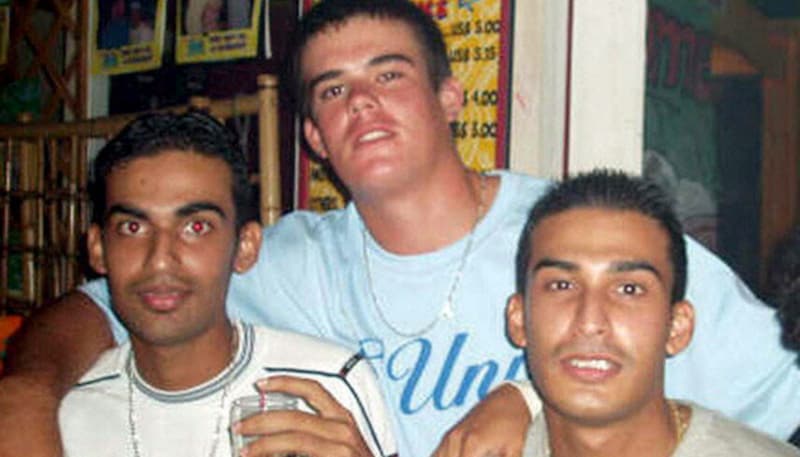
The brothers are part of the historical record because they were among the last people seen with Natalee and Joran van der Sloot after the group left Carlos’n Charlie’s nightclub. They were arrested, released, arrested again, and released once more. They were never convicted or charged in connection with Natalee’s disappearance. That distinction is essential to understanding both the original investigation and the way the Netflix documentary revisits it.
What the documentary says about their role
Netflix’s documentary recounts that Natalee was last seen leaving the nightclub in a car with van der Sloot and the Kalpoe brothers. Her friends initially did not treat the ride as alarming; one account in the series explains that the men could have been mistaken for local taxi drivers because cars in Aruba were not clearly marked as taxis. The documentary then follows the shifting accounts given to investigators and the increasingly urgent search after Natalee failed to return to her hotel or board her flight home.
The series does not present the brothers as convicted participants in Natalee’s death. Instead, it places their presence in the car within the wider investigation and notes that producers sought to speak with them for the documentary. A title card says they were contacted but declined to participate. Director Dani Sloane later told LADbible that the production reached out because people who have been publicly accused or questioned, but never charged, should have an opportunity to give their account. The brothers did not take part.

The 2005 arrests and the difference between suspicion and proof
Aruban authorities first arrested Deepak and Satish Kalpoe in June 2005, along with van der Sloot. The brothers were released in early July after a judge found there was not enough evidence to continue holding them. On August 26, they were arrested again after prosecutors announced that new facts and circumstances had emerged. Contemporary reports said the renewed arrests involved suspicion of serious crimes, but authorities did not publicly detail the evidence at the time.
On September 3, 2005, the brothers and van der Sloot were released from custody under conditions after prosecutors failed to secure continued detention. The brothers denied wrongdoing. The case did not produce a conviction against either brother, and no charge against them for Natalee’s disappearance followed. Recounting those events accurately means avoiding the shorthand that they were “guilty,” “co-conspirators,” or proven accomplices. Arrests and suspicions are part of the investigation’s history; they are not findings of guilt.

Why their absence from the Netflix interviews matters
The decision not to appear leaves viewers with a documentary built from other people’s memories, official records, archived interviews and the testimony of investigators. That is not unusual in a true-crime production: a filmmaker can request an interview, but cannot compel a response. Still, the absence matters because the brothers’ own explanations are not heard directly in the series. Their past denials and the fact that they were never charged should remain visible whenever their names are discussed.
Sloane’s comments to LADbible are notable for the standard she says the production tried to apply. She said the team contacted the brothers and recognized the importance of giving people who were publicly accused but not convicted a chance to tell their side. That does not establish what the brothers would have said, why they declined, or whether they agree with the documentary’s account. It establishes only that an invitation was made and they did not participate.

What Joran van der Sloot’s 2023 admission does — and does not — establish
In October 2023, van der Sloot pleaded guilty in a U.S. federal case involving extortion and wire fraud connected to an attempt to obtain money from Beth Holloway in exchange for information about Natalee. As part of the proffer agreement, he admitted that he killed Natalee in Aruba in 2005. That admission is a major development in the case, but it did not result in a murder conviction against the Kalpoe brothers, and it did not establish that they participated in the killing.
Netflix’s series and subsequent reporting continue to distinguish van der Sloot’s admission from the separate question of what can be proven about other people who were investigated. The Kalpoe brothers have not been convicted of a crime connected to Natalee’s disappearance. Van der Sloot remains imprisoned in Peru for the 2010 murder of Stephany Flores Ramírez and is also serving a concurrent U.S. sentence for the extortion and wire-fraud case. Beth has told Netflix Tudum that she is pursuing further legal steps in the Netherlands against van der Sloot; that is a separate legal effort and does not change the brothers’ status.

How the original reporting helps put the case in context
Contemporary reporting shows how quickly the investigation moved through arrests, releases and public appeals. In July 2005, Beth publicly urged authorities and other countries not to let the Kalpoe brothers leave Aruba after their release. ABC News later reported on her direct encounter with Deepak and her questions about what happened on the night Natalee disappeared. Those accounts document Beth’s fears and the pressure surrounding the case; they do not independently prove the brothers’ involvement.
The documentary’s renewed attention is an opportunity to revisit those records without repeating the certainty of early headlines. Natalee’s disappearance remains devastating, her remains have never been recovered, and the 2023 admission provided an answer about van der Sloot’s actions. But responsible coverage must preserve the difference between a person being present, being investigated, being arrested, being accused in public and being found guilty in court.

Watch the archival report
Associated Press Archive footage from July 2005 records Beth Holloway’s public appeal after the Kalpoe brothers were released. It is a contemporaneous record of the family’s position at that moment, not proof of the allegations she made. The distinction is important when comparing early reactions with what investigators and courts established later.
Frequently asked questions
Who are the Kalpoe brothers in the Natalee Holloway case?
Deepak and Satish Kalpoe are brothers who were in the car with Joran van der Sloot and Natalee Holloway after the group left a nightclub in Aruba in the early hours of May 30, 2005. They were investigated and arrested during the case but were never convicted or charged in connection with Natalee’s disappearance.
Did the Kalpoe brothers appear in Netflix’s Taken: Natalee Holloway?
No. Reporting on the documentary says Netflix contacted the brothers and they declined to take part. Director Dani Sloane told LADbible that the production reached out to give them an opportunity to respond, but they did not participate in the series.
Were Deepak and Satish Kalpoe convicted in Natalee Holloway’s disappearance?
No. Both brothers were arrested and later released, including after a second arrest in August 2005. They were never convicted of a crime connected to Natalee’s disappearance, and reporting should not describe suspicion or arrest as proof of guilt.
Did Joran van der Sloot’s 2023 confession implicate the Kalpoe brothers?
Van der Sloot admitted to killing Natalee as part of a 2023 U.S. plea agreement related to extortion and wire fraud. The admission did not establish that the Kalpoe brothers participated in her death, and they have not been convicted in the case.
Why are the Kalpoe brothers being discussed again in 2026?
Netflix’s three-part documentary Taken: Natalee Holloway, released November 4, 2026, revisits the investigation and the people last seen with Natalee. The series’ account of the brothers and their decision not to participate in interviews has prompted renewed questions about their role and the limits of what the public record establishes.
Sources and further reading
- LADbible: Director Dani Sloane explains why the Kalpoe brothers are not interviewed
- Netflix Tudum: What the documentary says about Natalee’s disappearance and the investigation
- CBS News / AP: The brothers’ 2005 rearrest
- ABC News: Beth Holloway’s 2005 encounter with Deepak Kalpoe
- Netflix Tudum: Beth Holloway’s 2026 update on the legal process
Editorial note: This article distinguishes documented events, allegations made during the investigation, the brothers’ legal status and van der Sloot’s separate 2023 admission. Being arrested or publicly accused is not proof of guilt.