“I Knew He Would Kill Again” is the third and final episode of Netflix’s three-part documentary Taken: Natalee Holloway. Its title comes from Beth Holloway’s response to the murder of Stephany Flores in Peru in May 2010, exactly five years after Natalee disappeared in Aruba. The episode brings two tragedies into the same frame, but its deeper subject is the consequence of a case that remained unresolved while the man at its center was free to move on.
The five-year parallel is a calendar fact, not a claim that the two crimes were identical. Natalee Holloway disappeared on May 30, 2005. Stephany Flores Ramírez was murdered on May 30, 2010. The documentary follows how news of Flores’s death reached Beth, how it changed the stakes of the search, and how the FBI’s later extortion investigation created an opportunity to confront Joran van der Sloot.
This breakdown follows the episode’s central chronology and separates what the documentary shows from what the legal record establishes. That distinction matters: van der Sloot admitted killing Natalee during proceedings in a U.S. federal case, but the conviction in that case was for extortion and wire fraud—not a separate murder conviction for Natalee’s death. Her remains have never been recovered.
Where the final episode begins: a five-year date that changed everything
Netflix’s official episode description is brief: five years to the day Natalee vanished, a murder occurs halfway across the world, and Beth soon gets a chance to confront her daughter’s alleged killer. That description identifies the episode’s two connected turning points: the murder of Stephany Flores in Lima, Peru, and the federal operation that would eventually bring van der Sloot to the United States.
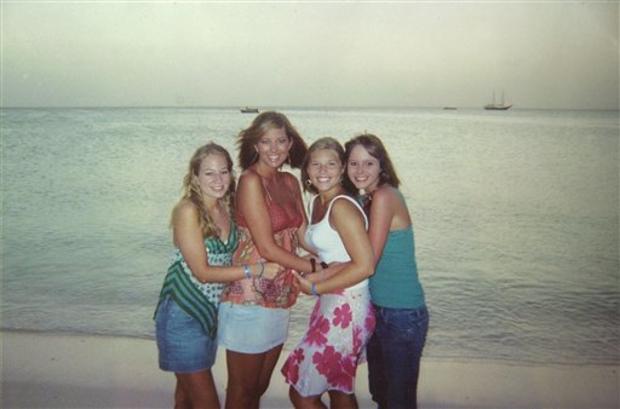
Natalee was 18 when she disappeared during a high-school graduation trip to Aruba. She was last seen in the early hours of May 30, 2005, after leaving a nightlife venue with van der Sloot and two other young men. The search became an international story, but investigators never recovered her remains. Van der Sloot was arrested and released during the early investigation, and the absence of a body and decisive forensic evidence left the case without a criminal prosecution for Natalee’s death.
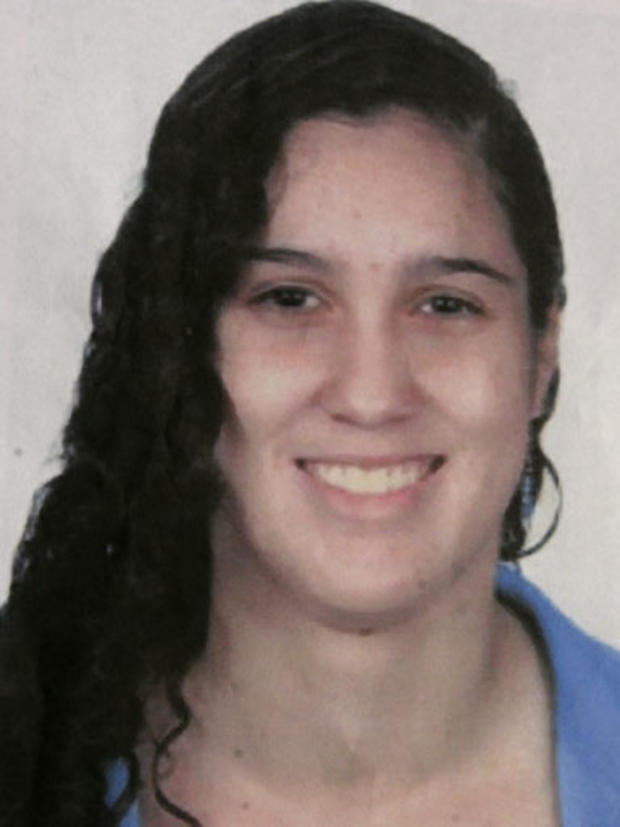
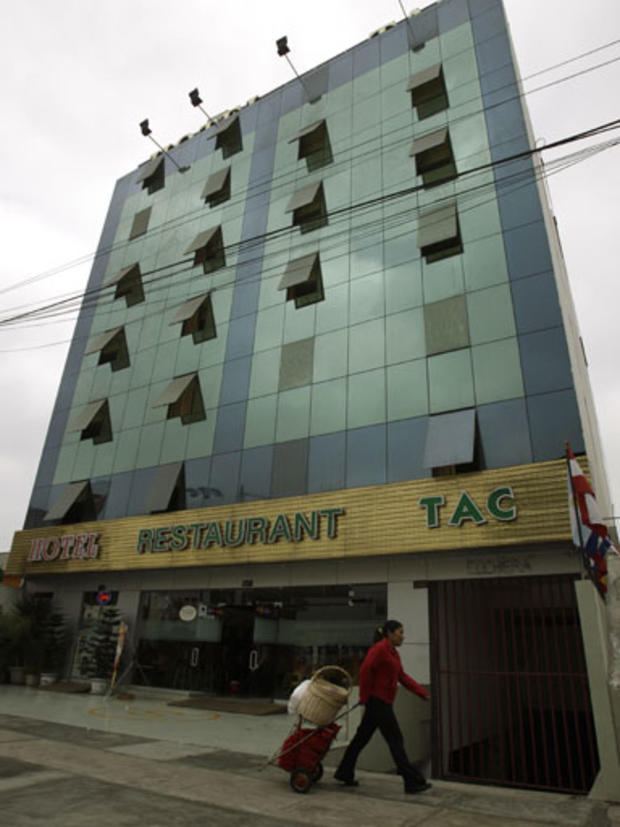
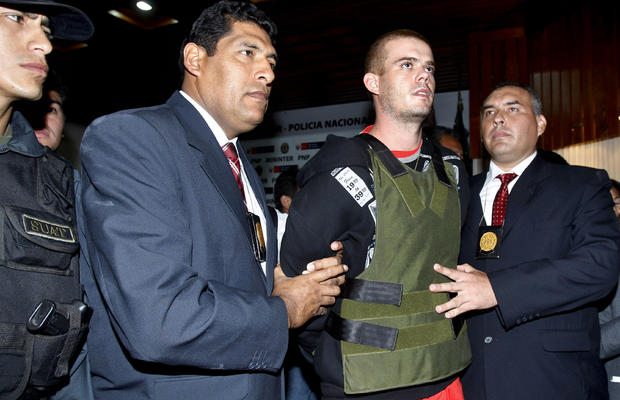
Five years later, on May 30, 2010, 21-year-old Stephany Flores was killed in a hotel room in Lima. Police said she had been seen with van der Sloot earlier that morning. Her body was discovered on June 2, and investigators quickly identified him as the main suspect. He left Peru and was later arrested in Chile before being transferred back to Peru.
Why the five-year parallel is more than a dramatic coincidence
The dates form the episode’s most disturbing parallel. May 30, 2005, was the last day Natalee was seen. May 30, 2010, was the date of Stephany’s murder. The five-year interval made the news especially devastating for Beth: the first case had not produced a conviction or a recovered body, and now another young woman had been killed.
The parallel should be understood precisely. It does not establish that investigators had proof in 2005 that van der Sloot would kill again, nor does the date alone prove a causal connection between the two crimes. What it demonstrates is the human and investigative cost of the unresolved Natalee case: while her family was still searching for answers, a second young woman became a victim in another country.
In the documentary, Beth describes the news as sickening and says she believed he would kill again. The episode title uses that statement to frame the episode from her perspective. It is a mother’s retrospective judgment, shaped by years of trying to get answers and by the shock of learning that another family was now facing a devastating loss.
The Lima investigation and the search for van der Sloot
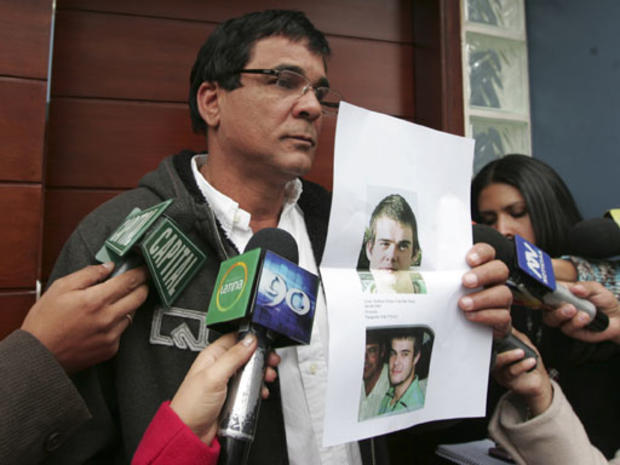
Contemporary reporting documented the timeline that made the second case urgent. Police said hotel employees had seen van der Sloot enter the room with Stephany early on May 30 and leave several hours later. Investigators also examined casino footage and hotel records. Stephany’s body was found in the room on June 2. Van der Sloot had left Peru, prompting an international search.
These details are important because the episode is not simply using a later crime as a plot twist. It shows how the Peruvian investigation created a new and immediate legal case against a man who had remained a central figure in the Holloway investigation. Van der Sloot was ultimately convicted in Peru of murdering Stephany Flores and sentenced to 28 years in prison in 2012.
Stephany must not be reduced to a footnote in Natalee’s story. She was a 21-year-old Peruvian woman with her own family and life. Her murder had its own investigation, evidence, trial, and consequences. The five-year date links the two cases in the documentary, but Stephany’s identity and the justice pursued by her family deserve to remain visible in their own right.
Beth’s turning point: the FBI extortion investigation
The episode then moves toward the chance Beth had been waiting for: a way to obtain information from van der Sloot through a controlled federal investigation. In 2010, he contacted Beth’s attorney, John Q. Kelly, and offered to disclose information about Natalee’s remains and death in exchange for $250,000. The proposed arrangement included an initial payment and a much larger payment after the remains were positively identified.
The FBI investigated the offer as extortion and wire fraud. Kelly worked with federal agents, and a meeting with van der Sloot in Aruba was recorded. The promised information did not lead investigators to Natalee’s remains. The episode presents the operation as a pivotal moment because the offer that exploited Beth’s hope also gave investigators a way to build a federal case.
There is a crucial distinction between the money discussed and the amount ultimately transferred. The proposed total was $250,000; reporting on the operation describes an initial transfer of $25,000. The FBI later clarified that the funds used in the operation were private money, not FBI funds. The transaction did not produce a verified location for Natalee’s remains.
The 2010 encounter and the limits of what Beth could learn
For Beth, the meeting was not a normal interview or a simple opportunity to ask questions. It involved confronting the person she believed knew what happened to her daughter, while federal agents worked to document the alleged extortion. The documentary’s emotional center is the contrast between a mother’s need for the truth and the suspect’s attempt to turn that need into leverage.
The information van der Sloot supplied during the 2010 encounter did not resolve the case. His account of where Natalee’s body had been taken was not verified, and the remains were not found. That failure is a reminder that a recorded statement, even one made in a law-enforcement operation, is not the same as independently confirmed physical evidence.
Van der Sloot later left Aruba and was in Peru when Stephany was killed. The FBI case continued, but the 2010 operation did not immediately give Beth the full account she would eventually hear. The final episode connects the extortion investigation to the later U.S. proceedings, showing how the case against him developed over more than a decade.
What the episode sets up—and what happened in 2023
The documentary’s final chapter looks ahead to the U.S. proceedings that finally produced an admission about Natalee. In October 2023, van der Sloot pleaded guilty in federal court in Alabama to extortion and wire-fraud charges connected to the attempt to obtain money from Beth in exchange for information. During the plea proceedings, he admitted to killing Natalee in Aruba in 2005 and described the attack.
The legal wording matters. The federal conviction was for extortion and wire fraud. It was not a separate U.S. murder conviction for Natalee’s death. The admission gave Beth long-sought information, but Natalee’s remains have never been recovered. As of the November 2026 Netflix interview, Beth said she was working with Dutch attorneys on a complaint seeking further accountability. That effort is a separate legal process, not a completed murder prosecution.
What the final episode gets right about the human cost
The strongest part of the episode’s structure is the way it refuses to treat the five-year coincidence as a clever narrative device. The date connects two families’ tragedies. Beth’s response makes clear how the unresolved first case shaped her reaction to the second. The episode also shows why the FBI’s 2010 operation mattered: it transformed a private offer for money into evidence for a federal investigation.
At the same time, viewers should keep the documentary’s emotional storytelling separate from the legal record. The series is a retelling built from interviews, archival material, and investigative history. The public record establishes the date of Stephany’s murder, van der Sloot’s Peruvian conviction, the 2010 U.S. extortion investigation, and his 2023 guilty plea. It does not establish that Natalee’s remains were found or that the U.S. federal case convicted him of her murder.
Frequently asked questions
What happens in “I Knew He Would Kill Again”?
The third episode of Taken: Natalee Holloway focuses on Stephany Flores’s murder in Peru on May 30, 2010, exactly five years after Natalee disappeared, and follows Beth Holloway’s opportunity to confront van der Sloot through the FBI’s extortion investigation.
Why is the episode called “I Knew He Would Kill Again”?
The title reflects Beth Holloway’s reaction to learning that another young woman had been killed five years after Natalee vanished. It is presented as Beth’s statement and perspective, not as a legal finding about what investigators knew in 2005.
Who was Stephany Flores?
Stephany Flores Ramírez was a 21-year-old Peruvian woman murdered in Lima on May 30, 2010. Van der Sloot was convicted of her murder in Peru and sentenced to 28 years in prison.
Was Stephany Flores killed exactly five years after Natalee disappeared?
Yes. Natalee disappeared on May 30, 2005, and Stephany was murdered on May 30, 2010. The five-year interval is the central parallel identified in Netflix’s official episode description.
Did the FBI pay van der Sloot $250,000?
No. The $250,000 was the amount van der Sloot sought in the proposed exchange. Reporting describes an initial $25,000 transfer during the recorded operation. The FBI clarified that the funds were private, not FBI money.
Did van der Sloot confess to killing Natalee?
Yes. During his October 2023 federal plea proceedings for extortion and wire fraud, he admitted to killing Natalee in 2005. The U.S. conviction in that case was for extortion and wire fraud, not a separate murder conviction for Natalee’s death.
Have Natalee Holloway’s remains been found?
No. Her remains have never been recovered. The 2023 admission gave Beth information about what happened, but it did not lead to the recovery of Natalee’s body.
Conclusion: the date links the cases, but the people must not disappear behind it
“I Knew He Would Kill Again” brings the final episode of Taken: Natalee Holloway to a devastating turning point. The May 30 dates—2005 in Aruba and 2010 in Peru—make the connection impossible to ignore. But the episode’s real weight comes from what followed: Beth’s renewed urgency, the FBI’s effort to document the extortion attempt, and the long road to the 2023 admission.
The five-year parallel is not a substitute for evidence, and it should never reduce Stephany Flores to a symbol in someone else’s case. She was a victim in her own right. Natalee’s disappearance also remains a loss that cannot be made whole by a confession. The episode’s most important lesson is therefore not simply that Beth’s fear came true. It is that delayed accountability has consequences for real people and families, and that careful reporting must preserve both the human story and the legal facts.
By Shivam Das
Related reporting from this blog
- “I Finally Have a Conclusion”: Beth Holloway on Why She Did the Documentary Now
- How the 2010 FBI Sting Operation Appears in Never-Released Footage
- Beth Holloway on Scam Calls and Taunting During the Years of Uncertainty
Sources and further reading
- Netflix Tudum: Official episode guide for Taken: Natalee Holloway
- Netflix: Official series page and episode descriptions
- CBS News: Reporting on the May 30, 2010 murder of Stephany Flores
- CBS News/AP: Contemporary photographs and reporting from the Peru investigation
- FBI: Joint statement on the 2010 investigation involving van der Sloot
- U.S. Department of Justice: 2010 indictment concerning extortion and wire fraud
- Associated Press: The 2023 guilty plea and admission about Natalee
- Netflix Tudum: Beth Holloway’s November 2026 update and legal efforts
Editorial note: Image captions identify the original publisher and credited source where available. The use of a publisher-hosted image does not itself establish a reuse license; image rights should be confirmed for the store’s intended use.