By Shivam Das
The Dutch legal team now working with Beth Holloway has a direct connection to one of the most consequential chapters in the Natalee Holloway case. One of the attorneys, Royce de Vries, is the son of Peter R. de Vries, the investigative journalist whose 2008 hidden-camera investigation captured Joran van der Sloot making statements about the night Natalee disappeared. The other attorney named by Beth, Annemiek van Spanje, has represented the de Vries family in proceedings connected to Peter’s killing. Their professional histories help explain why this legal effort carries particular meaning for Beth—but they do not determine whether Dutch prosecutors will bring a case.
In a November 2026 interview with Netflix’s Tudum, Beth said she had spent the previous two years working with Royce de Vries and van Spanje on a murder complaint against van der Sloot in the Netherlands. She described the work as ongoing and said Dutch authorities were obtaining documents and Natalee’s case files. A complaint, a prosecutor’s review and a criminal charge are separate steps. As of that interview, van der Sloot had not been charged in the Netherlands over Natalee’s death.
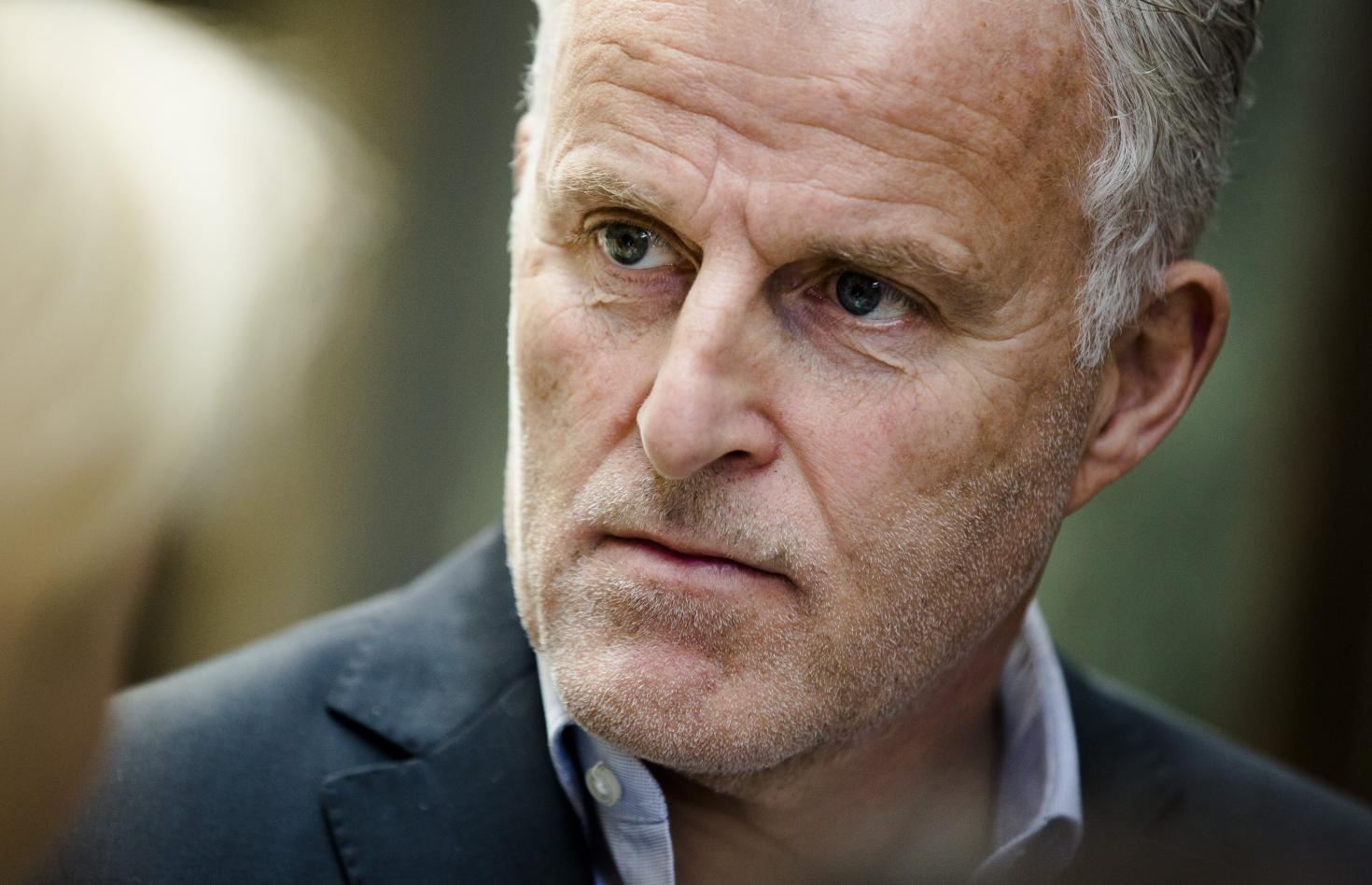
Why Peter R. de Vries became part of Natalee Holloway’s story
Natalee Holloway, an 18-year-old from Alabama, disappeared during a high-school graduation trip to Aruba in May 2005. For years, the investigation was marked by conflicting accounts, repeated searches and intense public scrutiny. Joran van der Sloot was among the last people known to have been with her, but he repeatedly denied responsibility and offered changing explanations.
Peter R. de Vries was already a prominent Dutch crime reporter when he turned his attention to the case. He was known for investigating unresolved crimes and testing claims that had not been adequately explained. His approach to Natalee’s disappearance was not simply to repeat public statements. He sought to record van der Sloot speaking at length in circumstances in which he believed he was talking privately.
The operation involved Patrick van der Eem, who had gained van der Sloot’s confidence. De Vries arranged for a vehicle to be fitted with hidden cameras and recording equipment. During conversations recorded in 2007 and broadcast in the Netherlands on February 3, 2008, van der Sloot described being with Natalee on the beach, her becoming unresponsive and a friend allegedly helping dispose of her body at sea. These were claims made by van der Sloot in the conversations—not independently established facts at the time.
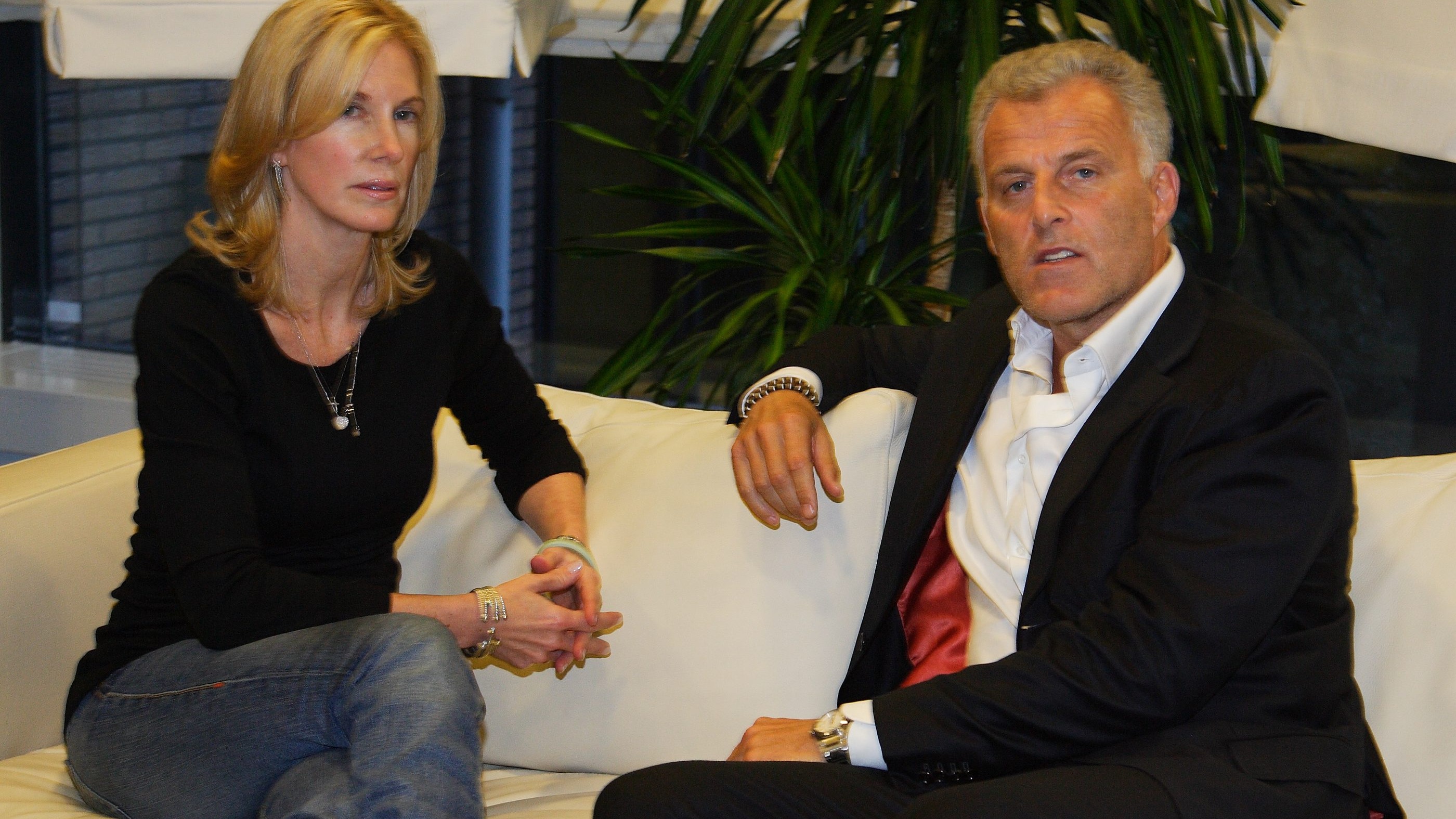
What the 2008 recordings did—and did not—establish
The broadcast had an immediate effect. Aruban prosecutors said they were examining the new information, and the case was reopened for further investigation. International outlets reported that the footage showed van der Sloot describing Natalee’s collapse and the alleged disposal of her body. The recordings also prompted debate about undercover journalism: whether a reporter should use a paid intermediary and concealed cameras to obtain statements from a person who does not know he is being recorded.
There was a crucial limitation. After the broadcast, van der Sloot said he had lied during the conversations and denied that the account was true. Authorities still had to assess whether the statements could be corroborated. A recorded statement can be important evidence, but it is not automatically proof of every detail it contains. The recordings did not locate Natalee’s remains, and the Aruban investigation did not produce a murder conviction at that time.
The 2008 investigation is best understood as a major journalistic breakthrough rather than the final legal resolution of the case. It brought a detailed account into public view, put renewed pressure on investigators to test it, and became a central part of the public record. It did not answer every evidentiary question or replace the work of prosecutors and courts.

Who is Royce de Vries, and what is his connection to Peter?
Royce de Vries is Peter R. de Vries’s son and a lawyer in the Netherlands. His connection to the Natalee case is both professional and personal: his father devoted substantial investigative work to the case, and Beth has now retained him as part of the legal team pursuing a complaint in the Netherlands. In her interview with Netflix Tudum, Beth described the work as a continuation of something Peter had begun and said she believed Royce would help carry that effort forward.
That personal connection explains the emotional weight of the appointment, but it should not be mistaken for a legal shortcut. Royce’s role is as an attorney working with Beth. The family legacy does not guarantee that Dutch authorities have jurisdiction, that the evidence will satisfy Dutch legal standards, or that charges will be filed. Those decisions belong to the competent authorities and, if a prosecution proceeds, the courts.
It is also important not to reduce Royce’s professional identity to his father’s work. He is a practicing lawyer with his own career. The public information cited here establishes his family relationship and Beth’s decision to work with him; it does not establish that he personally participated in Peter’s 2008 undercover investigation.
Why Annemiek van Spanje is part of the story
Beth has named Annemiek van Spanje alongside Royce as a member of the Dutch legal team. Van Spanje is a lawyer who has also represented Peter R. de Vries’s family in proceedings following his killing. Reporting on the 2024 Dutch court judgments identified her as a lawyer for the de Vries family and quoted her response to the outcome.
This is a separate connection from Royce’s. Royce is Peter’s son; van Spanje’s connection is through legal representation of the family. Together, their involvement links Beth’s current effort to people who know the legal system in the Netherlands and the history surrounding Peter’s work and death. Public reporting does not provide a complete account of the division of responsibilities between the two attorneys, so it would be premature to assign specific filings or courtroom tasks to either one without further documentation.

Peter R. de Vries’s killing and the family’s legal fight
Peter R. de Vries was shot in Amsterdam on July 6, 2021, after appearing on a television program. He died from his injuries nine days later. His killing shocked the Netherlands and raised wider concerns about threats against journalists and people working in criminal cases. He had spent decades reporting on serious crime and supporting victims’ families, and his Natalee Holloway investigation was among the work for which he received international recognition.
In June 2024, a Dutch court sentenced three men to prison terms of up to 28 years for their roles in the murder. Reuters reported that the court convicted the shooter and two men involved in arranging the attack and helping the shooter escape. Prosecutors had alleged that organized-crime figure Ridouan Taghi ordered the killing, but Taghi was not tried in that case and the court did not establish a definitive link in that proceeding.
The case against Peter’s killers is distinct from Beth Holloway’s complaint concerning Natalee. It explains why van Spanje has a connection to the de Vries family, but it does not provide evidence about what happened to Natalee in Aruba. Keeping the two legal matters separate is essential to understanding the current development accurately.
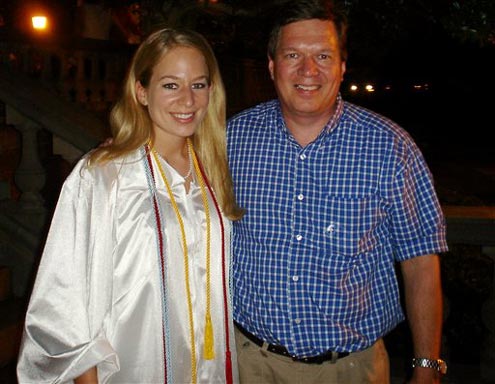
How the 2023 admission changed the legal picture
In October 2023, van der Sloot pleaded guilty in a U.S. federal case to extortion and wire fraud connected to his attempt to obtain money from Beth Holloway in exchange for information about Natalee. During the proceedings, he admitted to killing Natalee in Aruba in 2005 and described how he attacked her and disposed of her body. The admission was a major development after years of denials and contradictory accounts.
The legal distinction is important: the U.S. conviction was for extortion and wire fraud, not a U.S. murder conviction for Natalee’s death. Van der Sloot is also serving a Peruvian sentence for the 2010 murder of Stephany Flores Ramírez. His 20-year U.S. sentence for the federal offenses is to run concurrently with his 28-year Peruvian sentence. Natalee’s remains have not been recovered.
For Beth, the 2023 admission provided answers she had spent years seeking. But she has said that the next step is legal accountability in the Netherlands. That is the context for her decision to work with Royce de Vries and Annemiek van Spanje. The complaint is an effort to ask Dutch authorities to examine whether a prosecution is possible; it should not be described as proof that a Dutch trial has been scheduled.
What happens next with the Dutch complaint?
According to Beth’s November 4, 2026 interview with Netflix Tudum, a Dutch prosecutor was obtaining documents and Natalee’s case files. Beth described the complaint as being under consideration and said the process was moving forward step by step. Publicly available information cited here does not establish that prosecutors have filed a formal murder charge, issued an indictment or set a trial date.
Several questions would need to be addressed before any prosecution could proceed. Dutch authorities would have to assess their jurisdiction over alleged conduct connected to a death in Aruba, the applicable Dutch criminal law, the evidence available from Aruba and the United States, the legal significance of van der Sloot’s 2023 statements, and any procedural or limitation issues. The fact that Beth has retained Dutch lawyers does not resolve those questions in advance.
It is also necessary to distinguish the legal routes. The 2023 U.S. case concerned financial crimes against Beth and the family. The Peruvian conviction concerned Stephany Flores’s murder. A possible Dutch case would concern Natalee’s death and would have to stand on its own legal basis. These proceedings involve the same defendant but different alleged crimes, jurisdictions and evidentiary records.
Why the Peter R. de Vries connection matters beyond symbolism
The connection is more than a family reference in a news interview. Peter’s 2008 reporting placed van der Sloot’s statements into the public record and helped keep investigative attention on the case. Years later, the 2023 admission supplied a different account under the conditions of a federal plea agreement. Beth’s current Dutch legal effort is an attempt to determine whether that accumulated record can support further proceedings.
At the same time, journalism and prosecution have different standards and responsibilities. A journalist can investigate, challenge inconsistencies and publish material of public importance. A prosecutor must determine whether evidence is admissible and sufficient under the law of the relevant jurisdiction. The 2008 footage was a major journalistic event; it did not make a later prosecution automatic. The 2023 admission is significant, but the legal route in the Netherlands still requires independent assessment.
Peter’s legacy is therefore relevant in two ways: he helped expose a key part of the story, and his son is now among the lawyers Beth has chosen for a new legal effort. The strongest account of that legacy is not to assume that the outcome is guaranteed, but to recognize how the work of a journalist, the determination of a family and the responsibilities of lawyers and prosecutors have intersected over two decades.
Frequently asked questions
Who are the Dutch lawyers working with Beth Holloway?
Beth told Netflix Tudum in November 2026 that she has been working with Royce de Vries and Annemiek van Spanje on a murder complaint in the Netherlands concerning Joran van der Sloot and Natalee Holloway.
Is Royce de Vries Peter R. de Vries’s son?
Yes. Royce de Vries is the son of Dutch investigative journalist Peter R. de Vries. Beth has described his involvement as carrying a personal connection to the work his father did on Natalee’s case.
What did Peter R. de Vries do in the Natalee Holloway case?
In 2008, Peter R. de Vries broadcast hidden-camera recordings in which van der Sloot described being with Natalee on the night she disappeared and made claims about what happened afterward. Van der Sloot later said he had lied in those conversations. The recordings prompted renewed investigative attention but did not, at that time, result in a murder conviction.
Who is Annemiek van Spanje?
Van Spanje is a Dutch lawyer named by Beth as part of her legal team. She has also represented Peter R. de Vries’s family in proceedings connected to his 2021 killing.
Has Joran van der Sloot been charged with Natalee Holloway’s murder in the Netherlands?
As of Beth’s November 4, 2026 interview with Netflix Tudum, he had not been charged in the Netherlands in connection with Natalee’s death. Beth said a complaint had been prepared and Dutch authorities were obtaining case documents.
Was Peter R. de Vries murdered?
Yes. He was shot in Amsterdam on July 6, 2021, and died nine days later. In June 2024, three men received prison sentences of up to 28 years for their roles in the killing.
Did Peter R. de Vries’s 2008 investigation solve the Natalee Holloway case?
It produced important recordings and renewed investigative attention, but it did not settle every factual or legal question. Van der Sloot later said he had lied in the recordings. His 2023 admission came in a separate U.S. federal case involving extortion and wire fraud.
Where is Joran van der Sloot now?
He is serving a 28-year sentence in Peru for the 2010 murder of Stephany Flores Ramírez. His 20-year U.S. sentence for extortion and wire fraud is to run concurrently with the Peruvian sentence.
Sources and further reading
- Netflix Tudum: Beth Holloway’s November 2026 interview, Royce de Vries and Annemiek van Spanje.
- ABC News: Meet the Man Who Got Van Der Sloot to Talk About Holloway’s Disappearance (2008).
- CBS News / Associated Press: Dutch TV Airs Aruba Murder “Confession” (February 3, 2008).
- DutchNews.nl: Holloway case solved, says TV journalist (January 31, 2008).
- Reuters: Killers of Dutch crime reporter jailed for up to 28 years (June 12, 2024).
- Quartz: Beth Holloway is seeking Dutch murder complaint against Joran van der Sloot (November 9, 2026).
- Us Weekly: Beth Holloway’s continuing effort to seek justice (November 2026).
Editorial note: This article distinguishes reported statements, legal filings and confirmed court outcomes. It does not describe the Dutch complaint as a filed charge or a scheduled trial. The 2023 U.S. guilty plea was for extortion and wire fraud, not a U.S. murder conviction for Natalee’s death. Photographs are credited to their publishers or credited sources; display of a third-party image does not itself establish a reuse license.