What the newly released recording actually shows
The 2010 extortion attempt against Natalee Holloway’s family is no longer described only through court filings and recollections. Netflix’s three-part documentary Taken: Natalee Holloway, released November 4, 2026, includes previously unreleased FBI surveillance footage of a May 2010 meeting in Aruba between Joran van der Sloot and Beth Holloway’s attorney, John Q. Kelly. The recording brings viewers into the hotel-room encounter at the center of the federal extortion investigation.
The footage is important because it captures the negotiation as it happened: van der Sloot discussing a proposed payment, Kelly asking whether he could identify Natalee’s location precisely, and the two men discussing the written agreement. It does not, by itself, prove the truth of van der Sloot’s claims about where Natalee’s remains were. The later investigation and court record show that the location he supplied was false.
The $250,000 demand and the first $25,000
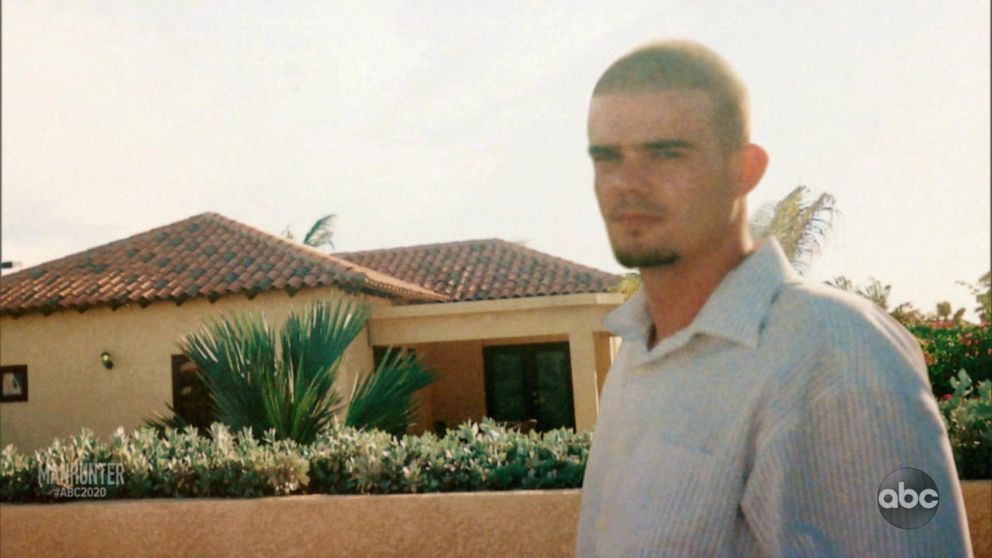
According to the U.S. Department of Justice, van der Sloot offered to provide information about the location of Natalee’s remains and the circumstances of her death in exchange for $250,000. The proposal called for an initial $25,000 payment, with the remaining $225,000 to follow if the promised information proved accurate. Beth and Kelly brought the approach to the FBI, which worked with Aruban authorities on the investigation.
The Netflix footage shows Kelly counting $10,000 in cash during the hotel meeting. The remaining $15,000 was to be wired by Beth after the agreement was signed. The distinction between the amount discussed in the contract and the amount ultimately received matters: the Justice Department later stated that van der Sloot received $25,100 in total, including a small transfer used to confirm the bank account. The FBI said in 2010 that the money involved was private money, not FBI funds.

Why Kelly’s questions matter in the recording
In the documentary footage, Kelly presses van der Sloot on whether he can be specific about Natalee’s location and whether he can take him there. The exchange is more than a dramatic moment for television. It goes to the central condition of the proposed deal: the money was being offered in return for information that could be checked, not simply another version of events.
Kelly’s role was as Beth’s lawyer and intermediary. The documentary and contemporaneous reporting describe how he met van der Sloot in Aruba while the FBI and local authorities recorded the encounter. The operation was designed to document the solicitation and gather evidence for possible federal charges. It was not a successful recovery operation, and it did not lead investigators to Natalee.

The false location claim and the paper trail
After the hotel meeting, van der Sloot took Kelly to a house and claimed that Natalee’s remains had been buried in its foundation during construction. That account did not withstand scrutiny. The 2010 federal indictment said he identified a site while knowing the information was false; later reporting described how construction records contradicted the story. Van der Sloot subsequently acknowledged that the information he had provided was worthless.
The documentary footage should therefore be viewed alongside the official record. The June 2010 indictment described the alleged scheme and the false location claim. The Justice Department’s 2023 sentencing announcement later stated that van der Sloot pleaded guilty to extortion and wire fraud and had received $25,100 for information he himself later described as worthless. The two records serve different purposes: the indictment records the allegations at the time, while the guilty plea and sentencing establish the federal criminal outcome.
Why the FBI did not arrest him before he left Aruba
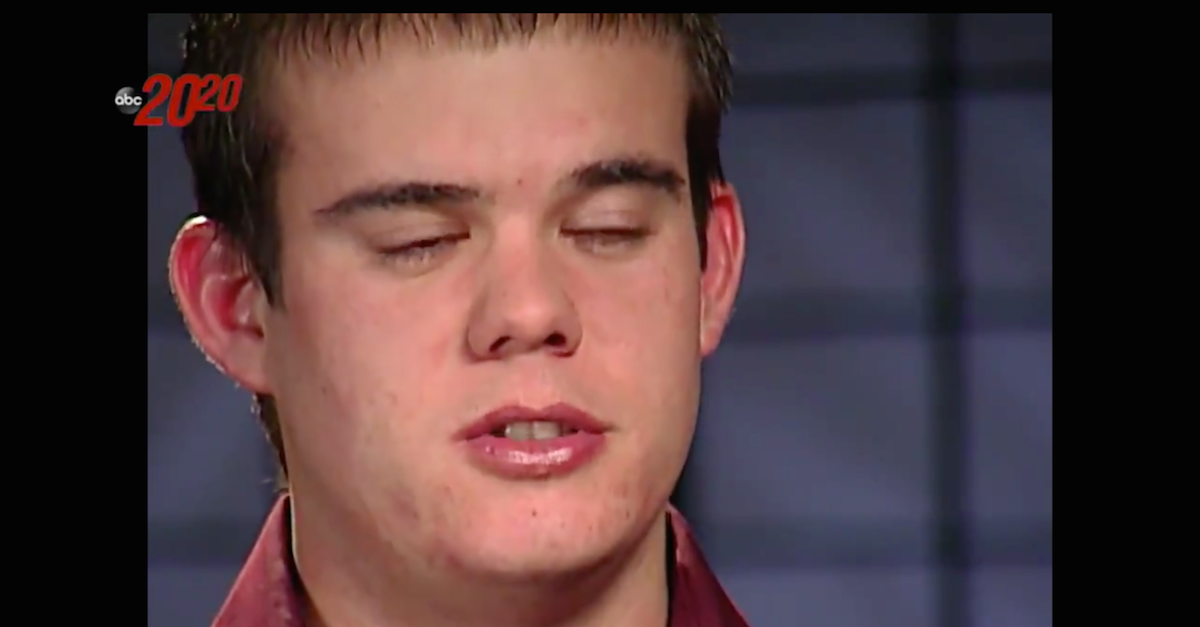
The timeline has often prompted a difficult question: if the FBI was investigating the extortion attempt, why did van der Sloot leave Aruba before he was arrested? In a June 9, 2010 joint statement, the U.S. attorney and the FBI’s Birmingham special agent in charge said the investigation was not sufficiently developed to bring charges before van der Sloot left the island. They also clarified that the investigation into the Holloway-related extortion allegations was separate from the murder of Stephany Flores in Peru.
That clarification is essential to an accurate account. Van der Sloot left Aruba for Peru, where Flores was murdered on May 30, 2010. The FBI statement expressly said the Birmingham investigation was not related to that murder. The documentary may place the events close together in its chronology, but proximity in time should not be mistaken for proof that the federal investigation caused or controlled what happened in Peru.

What changed when the footage became public in 2026?
For 16 years, the hotel-room recording remained in FBI custody, according to the disclaimer described in coverage of the Netflix series. Its release adds a visual record to an episode of the case that had already been documented through federal statements, an indictment, and later court proceedings. It lets viewers hear the negotiation and see the interaction rather than relying only on a summary.
But the footage is not a new answer to the question of where Natalee is. Her remains have never been recovered. In October 2023, van der Sloot pleaded guilty in the United States to extortion and wire fraud and, in a proffer agreement, admitted killing Natalee in 2005. The federal case concerned the attempt to obtain money from her mother; it was not a murder conviction for Natalee’s death. Netflix’s November 2026 reporting says Beth is still seeking accountability through legal steps in the Netherlands.
What the footage can — and cannot — establish
The newly public recording can help establish what was said in the hotel room, how the payment was discussed, and how Kelly tested van der Sloot’s promise to identify a location. It cannot independently verify the false site he later named, recover Natalee’s remains, or replace the court record. The most reliable reading comes from considering the documentary, the 2010 Justice Department statements and indictment, and the 2023 guilty plea together.
That is also why the distinction between the $250,000 demand and the $25,100 actually received should remain clear. The first figure was the total amount van der Sloot sought; the second is the amount the Justice Department says he obtained. The remaining $225,000 was not paid as the reward for a verified discovery. The promise collapsed because the information supplied was false.
Frequently asked questions
What does the never-before-released footage show?
It shows a May 2010 hotel-room meeting in Aruba between Joran van der Sloot and Beth Holloway’s attorney, John Q. Kelly, during an FBI-led investigation into an alleged attempt to obtain money in exchange for information about Natalee’s remains.
How much money did van der Sloot ask for?
He sought $250,000 in total. The proposed initial payment was $25,000, with $225,000 to follow if the information was accurate. The Justice Department says he ultimately received $25,100.
Did the FBI pay the money?
No. A June 2010 joint statement from the U.S. attorney and FBI said the money involved was private money, not FBI funds.
What location did van der Sloot identify?
He led Kelly to a house and claimed Natalee’s remains had been buried in its foundation. The account was false; the federal case record describes the location information as worthless.
Why was van der Sloot not arrested in Aruba in 2010?
The FBI and U.S. attorney said in June 2010 that the investigation was not sufficiently developed to bring charges before he left Aruba.
Where can viewers see the footage?
The footage is included in episode 3 of Netflix’s three-part documentary Taken: Natalee Holloway, which premiered November 4, 2026.
Sources and further reading
- U.S. Department of Justice: June 9, 2010 joint statement from the U.S. attorney and FBI
- U.S. Department of Justice: June 30, 2010 federal indictment
- U.S. Department of Justice: October 18, 2023 guilty plea and sentence
- Netflix Tudum: Background on Taken: Natalee Holloway and the previously unreleased FBI footage
- TV Insider: Description of the hotel-room footage in episode 3
- ABC News: Beth Holloway and attorney John Q. Kelly’s account of the 2010 operation
Editorial note: The article separates the 2010 extortion investigation from the later 2023 guilty plea and does not describe the U.S. extortion conviction as a murder conviction in Natalee Holloway’s case. Image credits are provided with each photograph; publishers’ image availability does not automatically establish a license for every reuse.