

Black Doves Season 2 does not rely on its licensed songs alone to create its distinctive sound. Beneath the sudden pop, hip-hop, soul and post-punk needle drops is an original score by composers Martin Phipps and Ian Arber. Their instrumental music supplies the quieter connective tissue: unease in political rooms, momentum between confrontations and emotional pressure when the characters have little room to speak.
The distinction matters. A familiar song can make a scene instantly memorable, but an original score has a different job. It must shape the audience’s response without demanding attention for itself. Season 2’s soundtrack album, released by Netflix Music in November 2026, makes that often-underestimated work easier to hear on its own.

Who composed the Black Doves Season 2 score?
The second-season original music is credited to Martin Phipps and Ian Arber. Phipps already established the series’ musical identity in Season 1, while Arber joins the Season 2 score team. The released album also credits Benji Merrison alongside Phipps on two selections, “Conteh” and “A Survivor.” It is therefore more accurate to describe the record as a collaborative score led by Phipps and Arber than to assign every cue to one composer.
Phipps has a substantial television and film résumé. His work includes The Crown, Peaky Blinders, War & Peace and Ridley Scott’s Napoleon. He was already associated with Black Doves before its first season premiered, when Netflix Music announced an album of his original music for the series.
Arber brings a complementary background. His credits include the BBC thriller The Capture, Netflix’s The One, Red Eye, Paris Has Fallen and other film and television projects. On his official website, he describes an approach that combines traditional, electronic and experimental instrumentation. He is also a classically trained cellist and pianist, and says he collects unusual instruments.

The album: 19 cues that reveal the score’s architecture
Netflix Music’s Season 2 release contains 19 selections and runs for approximately 49 minutes. The track list is revealing because it moves between character-focused pieces, political locations and more overtly threatening cues. “Spy Wife,” “Downing Street,” “A Black Dove,” “Kill List,” “The Safehouse” and “The Backup Plan” suggest how the music is organized around the show’s shifting identities and places of danger.
The composer credits also show that the work is shared rather than split into two isolated halves. Ian Arber is credited on “Another Lifetime Ago,” “Spy Wife,” “We’re All Just Animals, Aren’t We,” “Downing Street,” “A Black Dove,” “Codename. WILDFLOWER,” “A Hostile Attitude,” “I Am Not Running,” “The Safehouse,” “A Message” and “The Backup Plan.” Martin Phipps is credited on “Don’t Worry, It’s All Part of It,” “I Am the Setting Sun,” “New Arrangements” and “Kill List,” among others. “Conteh” and “A Survivor” also credit Benji Merrison.
That track-by-track information is useful, but it should not be mistaken for a complete map of where each cue appears in the episodes. The album is a selection of original score music, not a scene-by-scene cue sheet. The licensed songs heard in the series are a separate part of the soundtrack and should not be attributed to Phipps or Arber simply because they appear in the same episode.

Ian Arber’s hybrid approach: acoustic instruments and electronics
One of the clearest clues to Arber’s musical thinking comes from a 2025 interview with The Geekiary. He explained that, although he is classically trained, he increasingly uses electronics and likes treating electronic sounds as an orchestra of colors. He also described transforming sounds from organic instruments: in work on Paris Has Fallen, some sounds that might be mistaken for synthesizers were created by manipulating his cello.
That is a useful lens through which to listen to a modern spy score. Electronic textures can suggest surveillance, machinery and the impersonal systems surrounding the characters. A cello or another acoustic instrument can bring a more physical, vulnerable quality into the same sound world. The point is not that every cue in Black Doves uses this exact method; Arber’s interview describes his broader creative practice, not a technical breakdown of every Season 2 recording. But it helps explain why his stated interests are well suited to a story that moves between intimate relationships and institutional threat.
Arber also told the publication that he likes to build a bespoke palette for each project rather than write generic music that could fit any film. He described meeting with directors and working through scenes to decide where music begins, where it stops and what a moment needs. That process is especially important in a series like Black Doves, where a scene can shift from dry comedy to danger without warning.
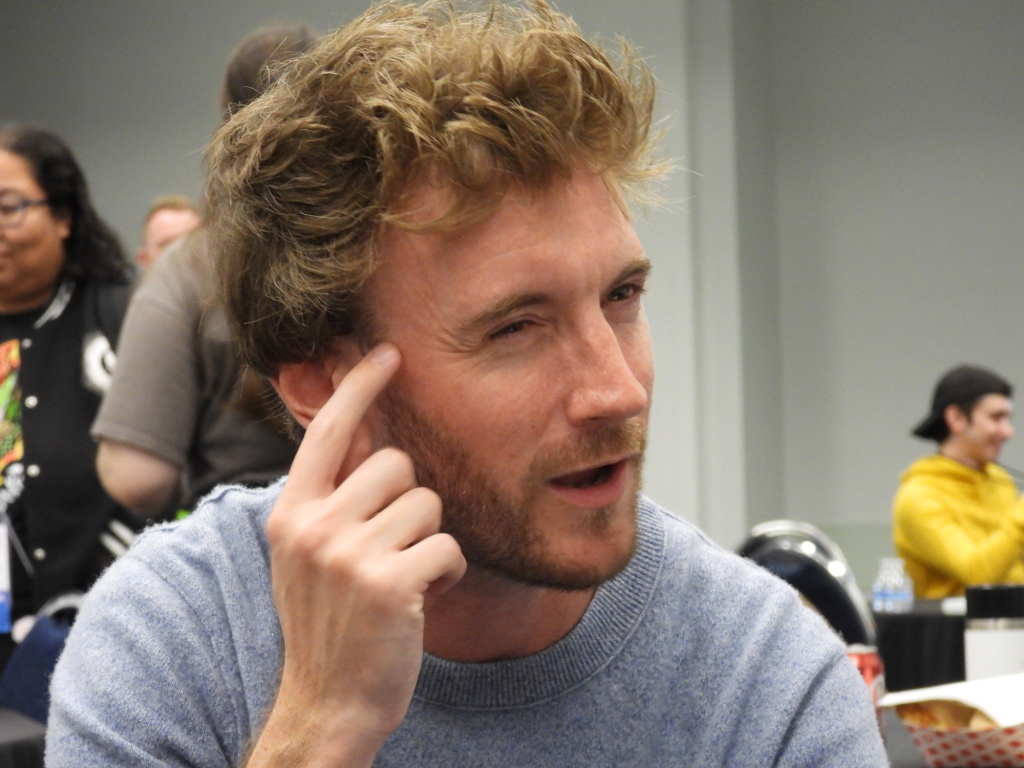
Why the score matters beneath the needle drops
Season 2’s licensed music is deliberately conspicuous. Songs by artists such as Nick Cave & the Bad Seeds, DJ Shadow and Run the Jewels, Olly Murs, Nina Simone, Billy Joel and RAYE create sharp changes in mood and cultural reference. Those selections are designed to be noticed. The original score has to do something subtler: carry tension across the spaces between those moments and keep the story emotionally coherent.
Think of the difference as foreground and foundation. A needle drop can make a particular sequence feel ironic, exhilarating or unexpectedly tender. An instrumental cue can prepare the scene before the song arrives, sustain unease after it ends or keep a character’s private fear present while the dialogue deals with something else. The score is not competing with the songs; it gives the series another musical language.
This is also why the soundtrack album is worth hearing separately from the episodes. Without dialogue, effects and licensed tracks competing for attention, listeners can focus on the original compositions as pieces of music. The titles alone suggest a narrative vocabulary: identity, loyalty, threat, escape and the possibility of survival. They are not a substitute for watching the show, but they make the score’s structural role easier to appreciate.

What the composers’ different backgrounds bring to the series
Phipps and Arber have overlapping interests, but their professional histories are not identical. Phipps’s credits include large-scale period drama and character-driven television, while Arber’s work spans contemporary thrillers, documentaries and projects that combine acoustic performance with sound manipulation. The Season 2 album does not present a public technical account of how every cue was divided between them, so it would be misleading to claim that one composer handled all the emotional music while the other handled all the action.
What can be said with confidence is that the official album credits show both composers contributing original music to the same season. That shared authorship is a meaningful part of the story: the score is not simply a continuation of the first season under an unchanged credit. It is a new collaborative release that expands the series’ musical palette while retaining Phipps’s connection to its earlier sound.
Arber’s interview offers another revealing detail about collaboration. He said the best part of the process is reaching the stage where live musicians perform the music, describing the impact of hearing dozens of players bring written material to life. His comments underline a point often lost when television music is discussed only as a playlist: composing is a process of concepts, drafts, performance, editing and close collaboration with the filmmakers.
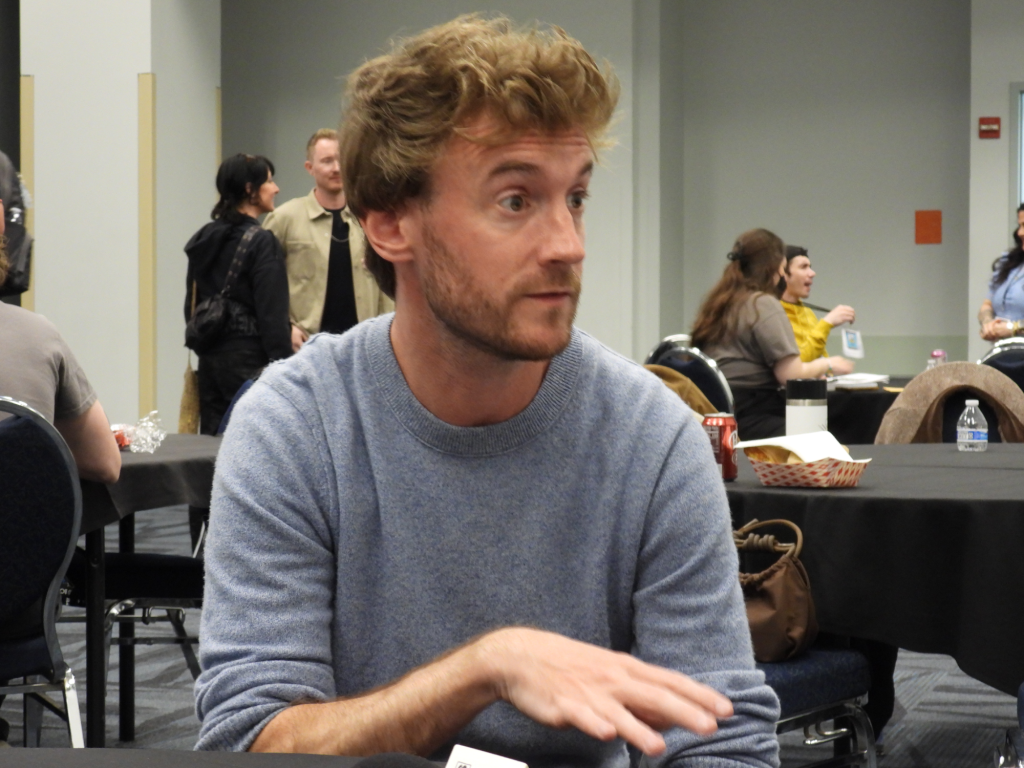
Where to listen to the Black Doves Season 2 original score
The Season 2 original score album was released digitally by Netflix Music in November 2026 and is listed across major streaming services. The official album announcement identifies Phipps and Arber as the composers and provides the 19-track selection. Availability and catalog presentation can vary by country and streaming service.
Listeners who want the original score should look for Black Doves: Season 2 (Soundtrack from the Netflix Series), rather than relying only on general playlists that mix score cues with licensed songs. Ian Arber’s official website also provides a portfolio and listening section for his wider work. For background on the first season’s music, the earlier Martin Phipps album is a separate release.
The quiet music is part of Black Doves’ identity
The show’s most talked-about musical moments may be the unexpected songs dropped into shootouts, arguments and emotional turning points. But those moments would not carry the same weight without the quieter work around them. Phipps and Arber’s original score helps make the world feel tense before the danger becomes visible, and it gives the characters’ private conflicts room to resonate between the louder musical surprises.
The strongest takeaway is not that the instrumental score is more important than the needle drops, or vice versa. They serve different dramatic purposes. The licensed songs create bold, sometimes mischievous collisions between sound and image. The original score provides continuity, atmosphere and emotional pressure. Together, they make Black Doves sound like itself.
Frequently asked questions
Who composed the Black Doves Season 2 original score?
The Season 2 original score is composed by Martin Phipps and Ian Arber. The album also credits Benji Merrison with Phipps on two tracks, “Conteh” and “A Survivor.”
Did Martin Phipps compose the music for the first season?
Yes. Martin Phipps composed the original music for Season 1, and he returned as part of the Season 2 score team.
What is Ian Arber known for?
Ian Arber is a film and television composer whose credits include The Capture, The One, Red Eye, Paris Has Fallen and Black Doves Season 2.
How many tracks are on the Black Doves Season 2 score album?
The Netflix Music album contains 19 selections of original score music and runs for approximately 49 minutes.
Is the original score the same as the songs heard in the episodes?
No. The original score is instrumental music written for the series. Licensed songs by outside artists are separate soundtrack selections and should not be confused with the composers’ original cues.
Where can I listen to the Season 2 score?
The album was released digitally by Netflix Music and is available through major digital music services. Search for Black Doves: Season 2 (Soundtrack from the Netflix Series) in your preferred service.
What musical instruments does Ian Arber use in his work?
Arber is a classically trained cellist and pianist. In an interview, he described combining acoustic instruments with electronic textures and experimenting with unusual instruments and manipulated sounds.
Sources and further reading
- Film Music Reporter: Black Doves Season 2 soundtrack album details and full composer credits
- Ian Arber’s official website: biography, credits and music portfolio
- Ian Arber’s official biography and approach to instrumentation
- The Geekiary: Ian Arber interview on composing, live musicians and hybrid scoring
- Film Music Site: Season 2 score release information
- Film Music Reporter: Martin Phipps scoring the original Black Doves series
- Screen Daily: Martin Phipps on the meaning behind music cues
- NPR: The historic piano recording for Napoleon
By Shivam Das


