

Updated November 8, 2026 · By Shivam Das
Quick answer: Williams and Eleanor have become one of the emotional centers of Black Doves because their lethal competence is paired with awkward honesty, sharp humor, fierce loyalty, and a growing need for connection. Season 2 gives that contrast a bigger payoff: the two assassins move from an effective professional partnership toward a relationship neither can neatly control. Their story feels unexpectedly human precisely because the characters are so far from ordinary.
Spoiler warning: This article discusses relationship developments from Black Doves Season 2, including the confession and first kiss.
In a series filled with political secrets, covert organizations, compromised loyalties, and people who solve problems with extraordinary violence, it is striking that two freelance assassins can become the characters viewers most want to spend time with. Yet Williams and Eleanor keep stealing the oxygen from the room. Their scenes are funny without becoming throwaway comedy, affectionate without losing their danger, and emotionally revealing without turning either woman into a conventional romantic lead.
The phrase “Zoomer assassins” is a shorthand for the younger, distinctly contemporary energy the pair bring to the show; it is not an official job title or a label used by the fictional Black Doves organization. What matters is the contrast: they are frighteningly capable at work, socially unpredictable outside it, and increasingly unable to pretend that their partnership is only about the next contract.

They are assassins, but their relationship is not built on coolness
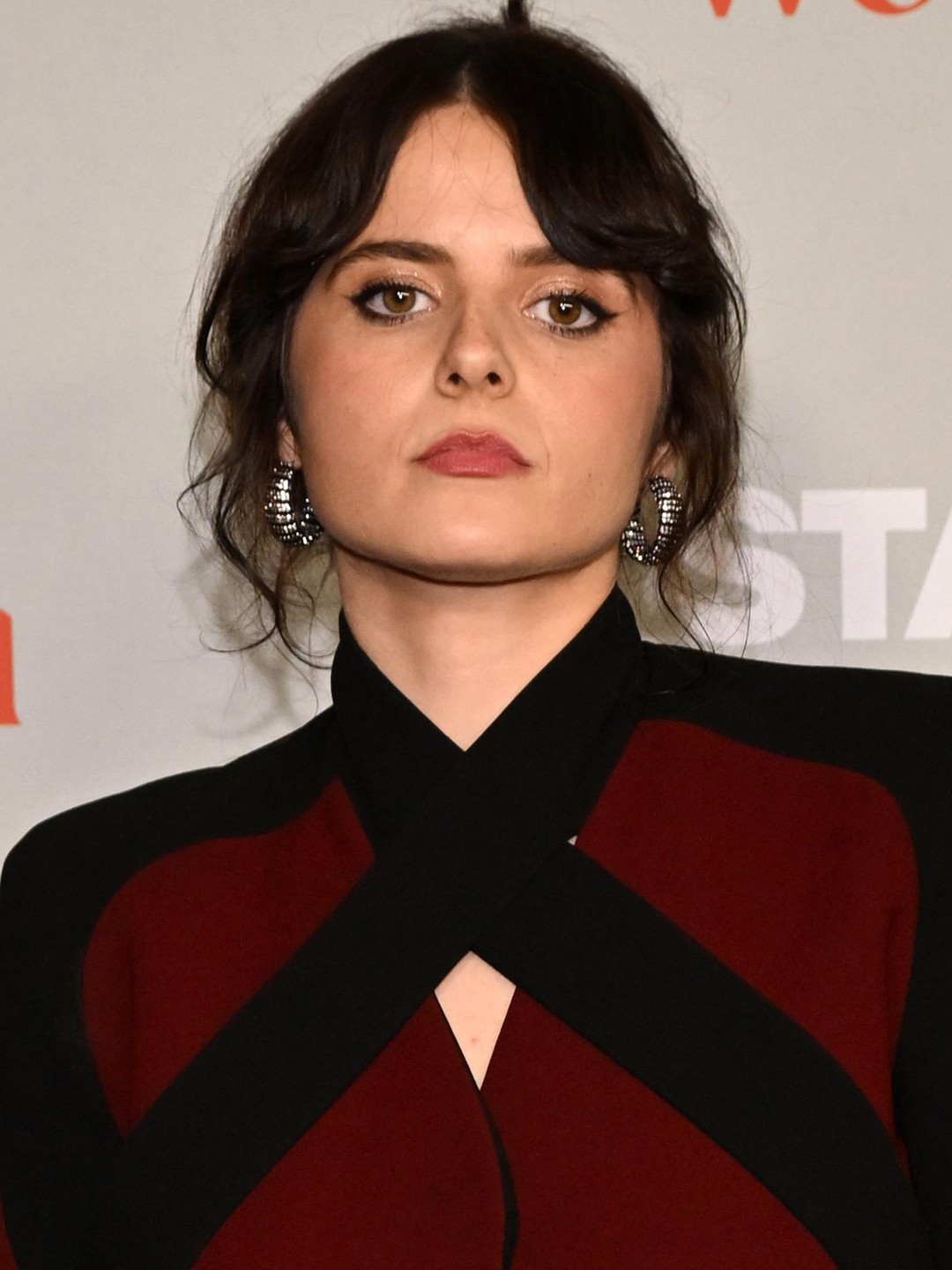
Williams, played by Ella Lily Hyland, is dry-witted, difficult to rattle, and often more observant than the people around her. Eleanor, played by Gabrielle Creevy, is brash, funny, open, and unusually comfortable saying the thing everyone else is avoiding. Netflix’s Season 2 cast guide describes Williams as a hard-to-rattle killer whose connection with Eleanor deepens, while it presents Eleanor as a London-based assassin whose directness can get her into trouble.
That difference gives the duo a natural comic rhythm. Williams tends to understate; Eleanor tends to say too much. One can read the room while the other happily disrupts it. Neither character needs to become the sensible one all the time, and neither is reduced to being the other’s sidekick. They are funny because their instincts clash, but they are effective because those instincts also complement each other.
Many screen assassins are written as sleek, self-contained professionals. Williams and Eleanor are not. They can be petty, impulsive, jealous, oddly earnest, and sometimes almost childlike in the way they negotiate ordinary feelings. The show lets those traits coexist with real danger. That combination is more memorable than simply making them stylish or invincible.

Williams’ emotional shift is the surprise at the center of the story
Williams was not originally imagined as half of a romantic assassin partnership. In Netflix’s interview with creator Joe Barton and the two actors, Barton explains that he first conceived Williams as a Season 1 antagonist motivated by revenge after Sam killed her previous partner. The casting process changed the direction: Hyland was such a strong fit for Williams that Barton created Eleanor as a new character for Creevy.
That history matters because Williams begins from a place of guardedness. Revenge gives her a clear purpose and a way to avoid looking too closely at what she wants beyond the job. But, as Hyland explains in the Netflix interview, Williams gradually discovers that she wants connection and is not as emotionally detached as she might have assumed. Season 2 makes that internal contradiction harder to hide.
Her jealousy is not presented as a glamorous sign of passion. It is messy and uncomfortable, and it forces Williams to confront a feeling she cannot solve with a weapon or a clever remark. She has to admit that another person matters to her in a way that creates risk. For a character whose professional life depends on control, that is a much more interesting vulnerability than simply giving her a tragic backstory.
Hyland also describes Williams as being in conflict with herself rather than merely fearing rejection. That distinction gives the character a little more agency. Williams is not waiting for someone else to tell her what she feels; she is trying to understand what to do with a feeling she has already recognized.
Eleanor’s openness is not the same thing as emotional ease
Eleanor can appear more comfortable with people because she is quicker to speak and less interested in hiding her reactions. But openness is not the same as being ready to depend on someone. In the Tudum conversation, Creevy says Eleanor is slower to name what is happening between the two women and suggests that she is partly avoiding the implications of the relationship.
Creevy also points to the absence of family and nurturing support in both characters’ lives. They are used to surviving, not to being looked after. Letting someone close therefore carries a real emotional cost. Eleanor’s teasing and apparent confidence can work as a shield: she can keep the exchange playful until the feelings become too important to dismiss.
That is why the romance feels more substantial than a sudden change in genre. Eleanor does not stop being brash, and Williams does not become a different person overnight. The relationship asks them to make room for another person without surrendering the qualities that made them compelling in the first place.

Their chemistry is rooted in understanding, not just romance
Asked why the pair work so well together, Creevy points to humor and understanding. She also notes that their Welsh and Irish accents contribute to the connection. Hyland agrees, describing the actors’ working relationship as a shared rhythm in which they can sense when the other is nervous or feels a scene has not worked. She says she thinks of Williams and Eleanor as almost one entity.
That is a useful clue to the on-screen chemistry. Their bond is not built only through flirtation or a sequence of romantic gestures. It is built through timing: knowing when to challenge the other, when to let a joke land, and when to trust that the other person understands what has not been said. They operate like a team before they are ready to call themselves a couple.
Their regional voices add another layer. Hyland has spoken about how meaningful it was to perform in her own Carlow/Irish accent, while Creevy has described the value of bringing her Welsh voice to Eleanor. In a genre where performers are often asked to adopt a generalized international or upper-class accent, their voices give the duo a specific cultural texture. Their connection feels lived-in rather than manufactured.
That representation matters without needing to turn the characters into symbols. The accents are part of their identities, but they are not the whole story. The more important point is that the show allows two women with distinctive voices, sharp edges, and complicated moral lives to be central to the entertainment rather than sanding those qualities away.
Season 2 lets the feelings arrive in the least romantic places
The series does not give Williams and Eleanor a quiet candlelit setting for their biggest emotional turns. Netflix’s Season 2 ending explainer places Williams’ confession in Episode 4, during gunfire. She tells Eleanor that she loves her, then immediately qualifies and corrects herself in a way that sounds unmistakably like Williams: uncertain for a beat, then unexpectedly decisive.
In Episode 5, Eleanor returns the feeling during another dangerous confrontation, and the two share their first kiss. The setting is important. They are not suddenly living in a safe world where love can be discussed without consequence. Their work remains violent, their alliances remain unstable, and the relationship develops in the middle of the danger they have always known.
That choice also preserves the show’s dark humor. A heartfelt confession delivered under fire is absurd, but it is not emotionally empty. The scene works because the danger does not cancel the sincerity; it exposes how little control either character has over what matters to them.
For a deeper scene-by-scene look, read our companion article on Williams and Eleanor’s confession under sniper fire and our breakdown of their first kiss and the live grenade.
Why viewers may connect with them more than the show’s central spies
Helen and Sam remain the central pair of Black Doves, and their history gives the series its emotional and political foundation. But Williams and Eleanor offer a different kind of intimacy. Helen and Sam carry years of history, guilt, loyalty, and compromise. The assassins are still figuring out what they mean to each other, and that uncertainty creates a different kind of momentum.
They also make the show’s moral world more interesting. Their work is brutal, and the series does not ask the audience to pretend otherwise. Yet it gives them recognizable needs: companionship, acceptance, laughter, and a person who understands their oddities. That tension is part of the show’s dark comedy. Viewers can be entertained by the pair without being asked to excuse what they do for a living.
Recent reviews have singled out the duo as standouts. Digital Spy’s Season 2 review calls attention to the performances by Creevy and Hyland and the payoff to the chemistry established earlier. Netflix’s own interview asks the actors why audiences have responded so strongly; Creevy says the characters are lovable because they are chaotic and unfiltered, while Hyland says their mix of different qualities feels refreshingly human.
That is a more grounded explanation than claiming every viewer feels the same way. The pair have become a fan-favorite element for many because the writing gives them room to be contradictory. They are dangerous and ridiculous, confident and vulnerable, emotionally clumsy and professionally precise. They feel like people, even when their circumstances are wildly heightened.
Their emotional importance is bigger than the love story
Calling Williams and Eleanor the emotional heart of Season 2 does not mean they carry every major plot development or replace Helen and Sam as the leads. It means their relationship gives the season a particularly clear expression of one of its recurring ideas: people who work in a world built on secrecy and violence still want to be known by someone.
They are not healed by romance, and the show does not suggest that falling in love makes their work harmless. Instead, the relationship makes their choices more complicated. They now have something to lose beyond money, a contract, or professional standing. The emotional stakes rise because each woman has found someone whose absence would matter.
That is the quiet achievement of the duo. They make connection feel like a risk worth taking in a world that punishes vulnerability. Their story gives Black Doves a warmer center without making its universe any less dangerous.
What the actors have said about the pair
In Netflix Tudum’s November 5, 2026 interview, Hyland and Creevy discuss the slow-burn relationship, the characters’ chemistry, the stunt-heavy scenes, and the emotional shift in Williams. Creevy describes Williams as a kind of home for Eleanor: someone who sees her and understands her humor. Hyland says the relationship feels special because of the humor and passion that come together when Williams finally admits what she wants.
The interview also makes clear that the actors are not claiming to know exactly where the characters go next. Both describe the relationship as entering a new, uncertain chapter. That uncertainty is useful: it leaves the pair with room to change rather than treating the first kiss as a neat ending.
Read our related feature on how Joe Barton built Williams and Eleanor’s love story, plus the cast’s comments about a possible Vegas wedding fantasy.
Frequently asked questions
Who are the Zoomer assassins in Black Doves Season 2?
The phrase refers to Williams, played by Ella Lily Hyland, and Eleanor, played by Gabrielle Creevy. They are a freelance assassin duo whose professional partnership grows into a deeper emotional relationship.
Why are Williams and Eleanor so popular with viewers?
Their appeal comes from the contrast between their dangerous work and their funny, awkward, unfiltered personalities. They understand each other, challenge each other, and gradually reveal a need for connection beneath their tough exteriors.
Do Williams and Eleanor become a couple in Season 2?
Yes. Williams confesses her feelings in Episode 4, and Eleanor returns them in Episode 5. They share their first kiss during a dangerous confrontation.
Who plays Williams and Eleanor?
Ella Lily Hyland plays Williams, and Gabrielle Creevy plays Eleanor.
Are Williams and Eleanor based on a real assassin duo?
No. They are fictional characters in Joe Barton’s Black Doves. Their relationship and work as assassins are part of the series’ spy-thriller story.
Why are their Irish and Welsh accents important?
Hyland and Creevy have spoken about how meaningful it was to use their own accents. The voices give the characters a specific identity and help distinguish their partnership from more generic spy-thriller characters.
Does their romance change the tone of Black Doves?
It adds warmth and vulnerability, but it does not remove the show’s violence, danger, or dark comedy. Their most emotional moments happen while the characters are still in immediate danger.
Sources and further reading
- Netflix Tudum: Williams and Eleanor’s romance, explained by the cast (November 5, 2026)
- Netflix Tudum: Black Doves Season 2 cast and characters
- Netflix Tudum: Black Doves Season 2 ending explained
- Digital Spy: Black Doves Season 2 review
- RTÉ: Ella Lily Hyland on keeping her Carlow accent in Black Doves (November 6, 2026)
- Irish Examiner / Press Association: Black Doves stars on Welsh and Irish accents (November 2026)
Editorial note: “Zoomer assassins” is used here as an informal description of the younger duo, not as an official label from the show. Audience response is described qualitatively; no unsupported viewership or fan-poll figures are claimed.


