

Why is Black Doves being called one of Netflix’s most entertaining spy thrillers right now? The answer is not simply the gunfights, the twists, or the star power of Keira Knightley and Ben Whishaw. It is the way the series makes all three work alongside a sharp sense of humor and a surprisingly tender story about friendship. Season 2, released on November 5, 2026, brings that combination back with six new episodes—and the early critical response has been striking.
There is an important qualification to the fan conversation, though. “The most entertaining” is a matter of taste, not an objective ranking. As of November 10, Rotten Tomatoes lists Season 2 at 94% from 18 critics’ reviews, while its Popcornmeter stands at 67% from fewer than 50 audience ratings. Those numbers point to strong critical enthusiasm, but they do not mean every viewer agrees. The more useful question is why the show is connecting so strongly with people who enjoy fast, funny, character-led espionage.
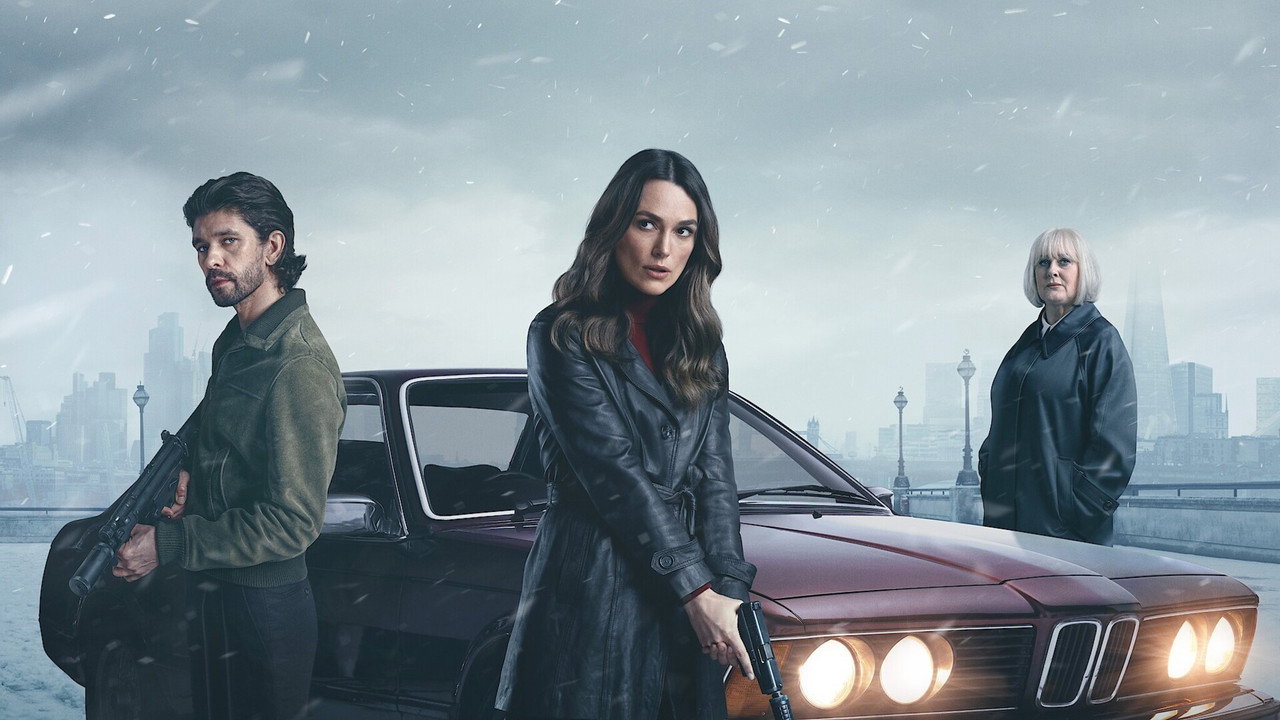
It understands that a spy thriller can be tense and funny at the same time
Many espionage dramas treat humor as a brief release between grim developments. Black Doves makes comedy part of its operating system. Characters can be in genuine danger and still deliver a dry observation, argue over an absurd detail, or expose how ridiculous professional violence can look when it becomes routine. The jokes do not erase the consequences; they make the characters feel more human while the danger remains real.
That tonal balance is one of the clearest reasons reviewers have responded to the new season. NME’s Season 2 review describes the show as a ludicrously enjoyable spy thriller, praising its pace, action, and funny, likable characters. The review also notes that the preposterous elements are part of the pleasure, even when viewers have to suspend disbelief. That is a fair description of the series’ appeal: it wants the audience to feel the danger without demanding that every heightened turn be treated like documentary realism.
The comedy is especially effective because it comes from character rather than from a separate joke machine. Helen’s controlled public persona, Sam’s weary bluntness, and the younger assassins’ chaotic energy create different comic rhythms. The show can move from a brutal confrontation to a sharply timed exchange without making either side feel like a mistake.
Knightley and Whishaw give the action an emotional centre
At the heart of the series is the relationship between Helen Webb and Sam Young. Helen is a covert operative embedded in political life, while Sam is the friend she calls when a situation becomes too dangerous for ordinary help. Their bond is complicated by secrets, old choices, and the damage that comes from repeatedly asking another person to step into danger.
That friendship gives the action emotional weight. A chase or shootout is not only a question of who gets away; it is also a test of how far one character will go for the other. The tension works because the audience understands that their loyalty is real even when their decisions are messy. RogerEbert.com’s review highlights the show’s blend of humor and espionage, and singles out the personal relationships as a major part of its appeal.
Knightley makes Helen’s double life feel like an exhausting balancing act rather than a glamorous fantasy. She is trying to hold together a family-facing identity, a political marriage, and a dangerous professional role. Whishaw gives Sam a different kind of vulnerability: he can be frighteningly capable, but his loneliness and emotional history are never far from the surface. Their scenes together supply the series with something more durable than spectacle.
The action is bold, physical, and deliberately heightened
Black Doves is not interested in making every confrontation look like a sober procedural. Its action is often explosive, sometimes outrageous, and designed to keep the story moving. The assassins are skilled, the conspiracies are large, and the characters can survive situations that would end most people’s working day—and possibly their lives.
That heightened style is a dividing line. Viewers who want realistic tradecraft, restrained gunplay, and carefully documented intelligence procedures may find the show too extravagant. Viewers who want a propulsive action drama with comic-book energy may find that exaggeration liberating. The series is more interested in momentum and personality than in pretending that every fight could be reconstructed from a police report.
Tom’s Guide’s review awarded the season four out of five stars, praising its entertaining mix of spy intrigue, action, dark humor, and sharp dialogue. It also points out that the many shifting loyalties can make the plot feel convoluted. That criticism matters: the series is exciting, but it is not always simple to follow.
The supporting cast makes the world feel bigger
A spy thriller can lose energy when every scene depends on the central pair. Season 2 benefits from a wider group of characters who bring their own motives, styles, and complications. Sarah Lancashire’s Mrs. Reed adds institutional authority and hidden vulnerability. Ella Lily Hyland’s Williams and Gabrielle Creevy’s Eleanor bring a lively, unpredictable partnership. Ambika Mod’s Laila adds a fresh burst of irreverence, while new arrivals expand the political and criminal landscape.
Netflix’s official Season 2 guide confirms the returning core cast and introduces additions including Mod as Laila, Neve Campbell as US defense envoy Cecile Mason, Sam Riley as Patrick, and Babou Ceesay as Black Doves executive Mr. Conteh. These are not just names added to a poster: the new characters give the season more competing interests and more ways for trust to break down.
The larger ensemble also changes the texture of the show. One scene can feel like a political drama, another like a crime thriller, and another like an offbeat workplace comedy for people whose jobs involve surveillance and murder. That variety helps the series avoid becoming a repetitive sequence of missions.
Six episodes make the season easy to binge
Season 2 consists of six episodes, released on Netflix on November 5. That compact structure gives the story a clear runway. It has enough space to widen the conspiracy and deepen the characters, but it does not ask viewers to commit to a sprawling episode count before the central story begins to move.
Netflix’s Tudum coverage confirms the release and the season’s central setup: Helen remains tied to the covert Black Doves organization while her husband’s rise toward the prime ministership makes her position more exposed. Reed becomes caught in a plot against her standing inside the organization, and Helen reunites with Sam as they search for answers. The political stakes and personal stakes are therefore connected from the start.
The short season also suits the show’s rhythm. Episodes can end on a new complication, a betrayal, or a shift in what a character believes. For viewers who enjoy a weekend binge, that forward pull is part of the attraction. For viewers who prefer slower, more procedural storytelling, the same pace may feel crowded.
Why the Rotten Tomatoes score needs context
The early critical score is a useful snapshot, but it should not be mistaken for a universal verdict. On November 10, 2026, Rotten Tomatoes’ Season 2 page showed a 94% Tomatometer based on 18 critic reviews. The same page showed a 67% Popcornmeter with fewer than 50 audience ratings. Both figures can change as more reviews and audience ratings arrive.
That difference is worth taking seriously. Critics have largely praised the season’s energy, performances, and entertainment value, while the smaller audience sample is more mixed. Some viewers may love the heightened violence and convoluted plotting; others may find those exact qualities tiring. A score based on fewer than 50 audience ratings is also too small to represent every Netflix viewer, let alone all fans of spy fiction.
Digital Spy reported on November 9 that Season 2 had entered Netflix’s Top 10 and highlighted the show’s dark dialogue, emotional core, and expanded supporting characters. Its report also noted the near-94% critics’ score at that time. That is evidence of early visibility and critical momentum—not proof that the series is the number-one show in every country or the most watched thriller on the service.
What makes it stand out among streaming spy dramas?
The comparison with other modern spy shows is inevitable. Slow Horses, for example, also mixes espionage with dry humor and deeply flawed professionals. But Black Doves has a different centre of gravity. It is more openly melodramatic, more stylized in its action, and more invested in the emotional consequences of friendship and family. It is not trying to be a copy of another spy series.
Its distinctive combination is the selling point: a glamorous political setting, a secret organization trading in intelligence, assassins who have complicated personal lives, and a central friendship that keeps pulling the plot back toward human consequences. The show can be ridiculous without being empty, and sentimental without becoming entirely soft. That mixture is difficult to maintain, and it is a large part of why the series is so easy to keep watching.
For readers interested in the individual ingredients, our related coverage looks at the balance of ridiculous fun and genuine stakes, the James Bond-meets-Quentin-Tarantino comparison, and how Season 2 builds on the first season.
Is Black Doves the most entertaining spy thriller on Netflix right now?
It has a strong case if “entertaining” means a series that combines pace, memorable performances, dark comedy, action, and emotional stakes. Season 2 has drawn enthusiastic reviews from several outlets, and its 94% early Tomatometer score suggests critics have responded warmly. Its six-episode format and expanding ensemble also make it an inviting binge.
But the phrase “the most entertaining” remains a personal judgment. The current audience score is lower than the critics’ score, the sample is still small, and other spy dramas offer different strengths. A viewer who values realism or tightly controlled plotting may prefer another series. Someone who wants a stylish, funny, emotionally messy thriller may find Black Doves exactly what they were looking for.
The fairest conclusion is that Black Doves is one of Netflix’s most compelling current choices for viewers who like their espionage fast, funny, and character-driven. It does not need a universal number-one label to justify the enthusiasm. Its real achievement is making the audience care about the people beneath the aliases—and then making it very difficult to stop watching what happens to them next.
Frequently asked questions
Is Black Doves Season 2 streaming on Netflix?
Yes. Netflix released Season 2 on November 5, 2026. The season contains six episodes.
What is the Rotten Tomatoes score for Black Doves Season 2?
As checked on November 10, 2026, Season 2 had a 94% Tomatometer from 18 critic reviews and a 67% Popcornmeter from fewer than 50 audience ratings. These figures can change as more reviews are added.
Why do critics find Black Doves so entertaining?
Reviews have highlighted its blend of espionage, dark humor, action, sharp dialogue, and the chemistry between Keira Knightley and Ben Whishaw. The ensemble and compact six-episode season also help maintain momentum.
Is Black Doves suitable for viewers who want realistic spy stories?
Not necessarily. The series uses heightened action, improbable situations, and dark comedy. It is better approached as a stylized entertainment thriller than as a realistic guide to intelligence work.
Does Black Doves Season 2 have a confirmed Season 3?
This article does not treat a third season as confirmed. Check Netflix’s official channels for renewal announcements.
Editorial note: Review scores and audience ratings above are a dated snapshot checked November 10, 2026. They may change. This article distinguishes critics’ scores, the smaller audience-rating sample, and editorial opinion rather than presenting them as a unanimous fan verdict.


