

Black Doves Season 2 works because its violence rarely feels separate from its comedy. A tense conversation can turn into a fight in seconds, but the characters do not suddenly become different people when the shooting starts. Helen remains controlled and fiercely personal; Laila brings speed and nerve; Sam can make danger look almost conversational; and Williams and Eleanor often puncture the tension with their own rhythm. The result is action that feels witty without making the danger meaningless.
Spoilers: This article discusses the show's action style and selected Season 2 sequences.
Why the comedy survives when the fighting starts
The central trick is tonal continuity. Black Doves does not pause its character writing to stage an action sequence. The same impatience, vanity, loyalty, irritation and gallows humor that shape the dialogue continue to influence how people move through a confrontation. A character may be frightened and still make a cutting remark; another may be furious for a deeply personal reason while trying to keep control of a weapon or an exit route.
That approach makes the humor feel earned. The joke is not that violence is harmless. It is that these people have adapted to an abnormal working life so completely that their reactions can sound startlingly ordinary in extraordinary circumstances. The contrast creates the show's distinctive deadpan edge.
Choreography built around character, not just spectacle
A memorable screen fight needs more than a sequence of punches and falls. It needs geography the viewer can understand, clear objectives, believable reactions and a sense of what each participant is trying to achieve. Black Doves is strongest when the action reflects those individual priorities: getting someone out, stopping an immediate threat, protecting an ally or simply surviving long enough to regain control.
In a Netflix Tudum interview, Keira Knightley described training with stunt coordinator Sarah and fight coordinator Rob Cooper. She said the preparation included mixed martial arts, boxing, jujitsu and Filipino knife-fighting elements, and that the team shaped the fights around the way her body naturally moved. She also described a compressed preparation and shooting schedule. That account is useful because it explains why performance-specific choreography matters: a fight should look like something this character could plausibly do, not a generic routine pasted onto the actor.
Helen: precision with a personal fuse
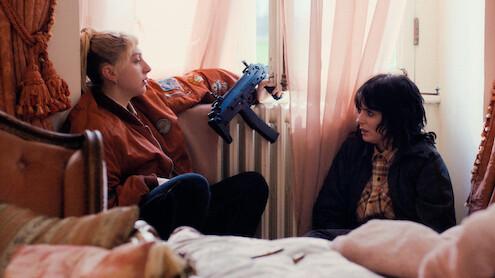
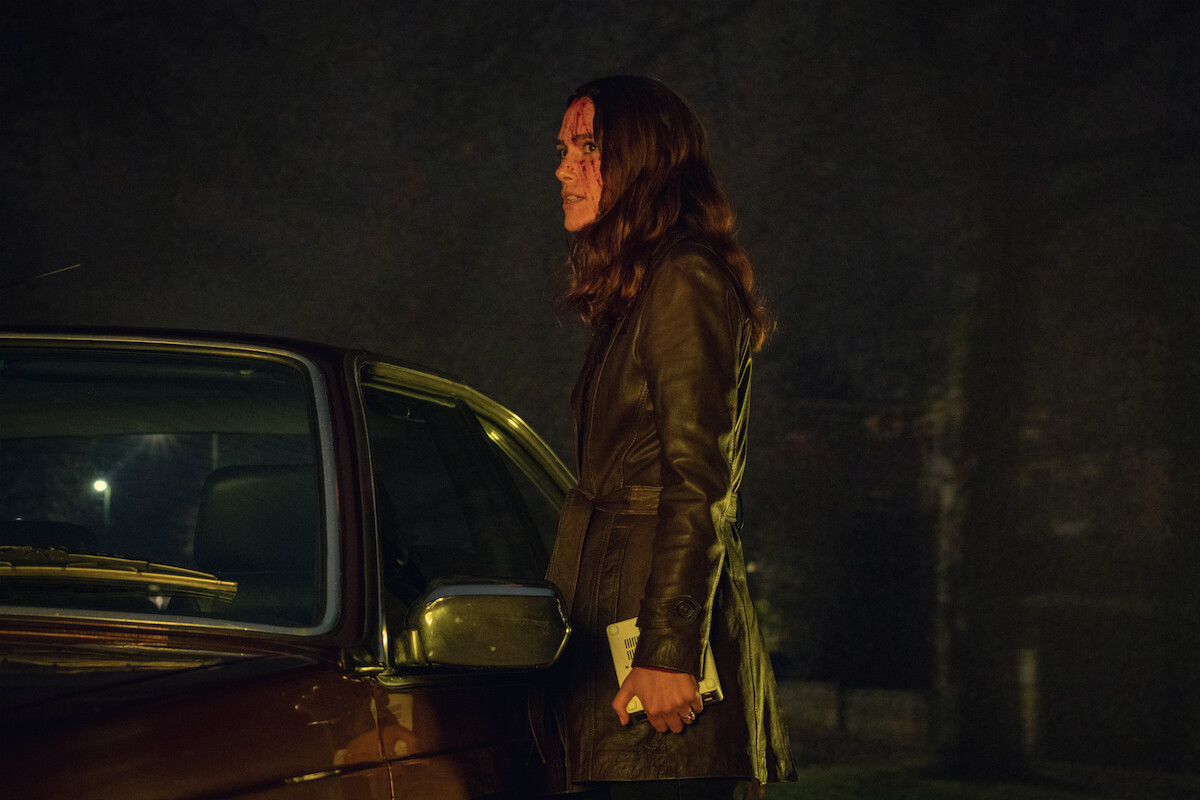
Helen's action style is tied to the double life she has spent years maintaining. She is practiced at reading a room, concealing what she feels and making decisions under pressure. But her composure is not the same as emotional distance. When a threat touches her family, her marriage or someone she considers hers, the controlled exterior can become intensely personal.
That tension gives her fights an extra layer. The audience is not simply watching whether she can defeat an opponent. We are also watching how much of her careful public self survives when the situation becomes physical. Her sharp dialogue and her fighting are connected by the same instinct: she wants to control the terms of an encounter, even when the encounter is rapidly slipping beyond her control.
Laila changes the rhythm
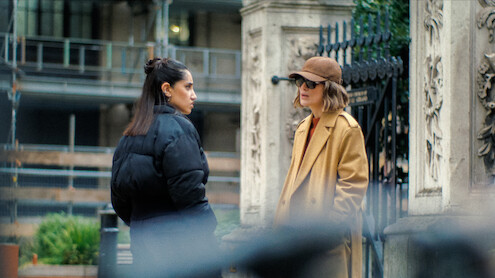
Laila brings a different energy. Where Helen often carries the weight of accumulated secrets, Laila can make a scene feel immediate and kinetic. Ambika Mod has discussed the physical preparation and stunt work involved in the role, including the demanding choreography of the Somerset House sequence. In a Radio Times interview, Mod described doing substantial stunt training despite not considering herself naturally physical, and singled out the gallery sequence as a memorable continuous-shot set piece.
The contrast between Helen and Laila helps the action stay legible and lively. They do not need identical styles to work as a team. Their differences create comic timing as well as tactical variety: one character's reaction can set up the other's move, and a brief exchange can communicate trust more quickly than a speech would.
Sam, Williams and Eleanor: timing is part of the action
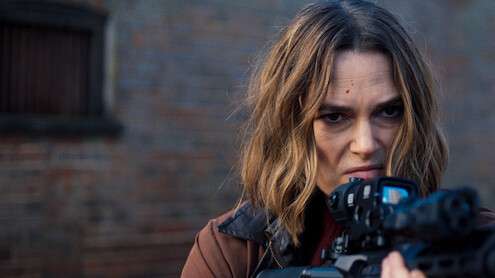
Sam's appeal comes partly from the gap between his emotional openness and his capacity for violence. He can be vulnerable, funny and deeply loyal, yet remain frighteningly capable when a job turns dangerous. That contradiction gives his scenes a particular comic charge: a line can sound casual even when the stakes are lethal.
Williams and Eleanor add another kind of rhythm. Their partnership is built around quick reactions, teasing and a shared appetite for chaos. The comedy works best when it does not interrupt the action but grows out of how well they know one another. A look, a correction or a perfectly timed response can make a sequence funny while still allowing the physical danger to register.
Why sharp dialogue makes the fights feel faster
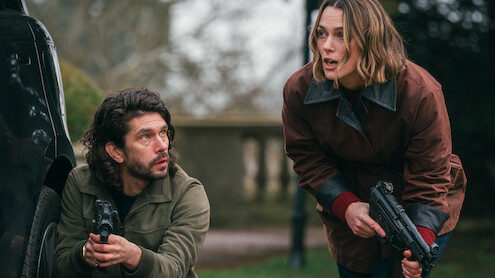
Dialogue can function like editing. A short exchange establishes who has the upper hand, exposes a character's priorities or changes the emotional temperature before the next movement. When the writing is economical, the audience does not need a long explanation of the relationship in the middle of a confrontation. The characters' voices carry that history into the scene.
This is also why the show's jokes are more effective when they are brief. A quip that arrives at the right moment can release tension without draining it. A long comic detour would make the threat feel artificial; a quick line keeps the pace moving and lets the action resume with its stakes intact.
The craft behind a convincing action-comedy balance
Directors and stunt teams have to solve several problems at once: safety, camera position, continuity, performance, timing and the audience's ability to follow the action. The Royal Television Society's behind-the-scenes discussion of the first season notes that directors Lisa Gunning and Alex Gabassi wanted fights to feel visceral and emotional rather than excessively flashy. Gunning described wanting large action moments to serve an emotional purpose, while Gabassi emphasized the scrappy, survival-driven quality of the characters' fights.
That philosophy helps explain the series' tone. The action is not merely decoration between plot revelations. It expresses the characters' relationships and their resourcefulness. Everyday objects, awkward spaces and imperfect movement can make a fight feel more immediate than an immaculate display of martial-arts technique.
What makes the style distinctive?
Plenty of spy dramas have stylish fights, and plenty of action comedies use jokes to soften danger. Black Doves combines the two through character consistency. Its people do not become anonymous action figures once the soundtrack rises. Their loyalties, insecurities and personal grudges remain visible in the way they speak and move.
The strongest sequences therefore do two jobs at once. They advance the immediate plot and reveal something about the people involved. A fight can show that two characters trust each other, that a supposedly calm person is close to breaking, or that a partnership has developed its own shorthand. That is why the choreography feels connected to the dialogue: both are forms of characterization.
Frequently asked questions
Why do Black Doves fights feel funny?
The humor comes from character-driven timing and deadpan dialogue. The show lets its characters keep their distinctive voices during dangerous situations, creating contrast without pretending the violence has no consequences.
Who helped develop Keira Knightley's fight choreography?
Knightley credited stunt coordinator Sarah and fight coordinator Rob Cooper in a Netflix Tudum interview. She described training that included boxing, jujitsu and Filipino knife-fighting elements, with choreography adapted to her natural movement.
Did Ambika Mod train for the action scenes?
Yes. Mod discussed undertaking stunt training for Laila and highlighted the demanding choreography involved in the Somerset House gallery sequence in an interview with Radio Times.
Are the fights meant to look realistic?
The series is stylized, but its creative approach emphasizes readable, character-led and emotionally motivated action rather than spectacle for its own sake. The result is heightened television action, not a documentary depiction of real combat.
What is the main reason the action and dialogue work together?
Both reveal character. The dialogue establishes relationships and attitude; the choreography shows how those traits translate into choices under pressure.
Sources and further reading
- Netflix Tudum: Keira Knightley on Black Doves, fight scenes and training
- Radio Times: Ambika Mod on Black Doves Season 2 and stunt training
- Royal Television Society: Behind the scenes of Black Doves
- TheWrap: Black Doves Season 2 review
By Shivam Das


