

Black Doves understands that a spy thriller does not have to choose between a ridiculous good time and an emotionally serious story. Its second season can stage an outrageous firefight, land a perfectly timed joke, and then leave its characters sitting with the cost of what they have done. That tonal combination is not a distraction from the drama. It is the reason the drama works.
The series follows people whose jobs are built around deception, violence and secrets, but its most affecting moments are often surprisingly ordinary: a friendship strained by loyalty, a marriage forced to confront a hidden identity, or a character realizing that the life they chose has left them with very few ways out. The action gives the show momentum; the emotional consequences give that momentum meaning.

The comedy makes the danger feel human, not weightless
The humor in Black Doves is often born from the gap between the scale of the danger and the characters’ ability to keep functioning inside it. People who deal in assassination and political secrets still have awkward conversations, petty frustrations and terrible timing. A character can be in the middle of an absurdly dangerous situation and still respond with a dry observation or an irritated look. The joke does not mean the danger is imaginary. It shows how these people have learned to live with it.
That distinction matters. If every scene were played at maximum intensity, the violence would quickly become monotonous. Comedy creates contrast, and contrast makes the serious moments hit harder. The show lets its characters be funny without pretending that their actions are harmless. The laugh can arrive, but the consequences remain in the room.
The Guardian’s review of Season 2 describes the series as an entertaining espionage drama with moments of genuine poignancy, while also questioning the near-superhuman impunity its killers seem to enjoy. That tension is worth acknowledging rather than smoothing over. The show’s world can be deliberately heightened, even implausible, but its friendships and grief are written to register as real emotional experiences.
Helen and Sam are the emotional foundation
At the center of the series are Helen Webb and Sam Young, whose bond is difficult to classify and even harder to replace. They know each other’s capabilities, secrets and weaknesses. Their loyalty is not based on the belief that either one is innocent. It comes from a long familiarity with the versions of themselves that other people rarely get to see.
That relationship gives the action a human consequence. When Helen asks Sam for help, the request is never just another assignment. It carries the history of their friendship and the knowledge that he may pay for her decisions. Sam’s willingness to show up can be moving, but it can also be destructive. The series does not mistake devotion for a healthy arrangement; it allows their connection to be both sustaining and toxic.

Season 2 raises the stakes around that bond. Helen’s husband Wallace is preparing to become prime minister, placing her closer to the center of government while her covert work becomes more exposed. Sam, meanwhile, is living with the consequences of his own choices and finds himself pulled into another dangerous arrangement. Their reunion is entertaining because the chemistry remains sharp, but it is emotionally engaging because both characters have changed.
Action is the show’s language for pressure
The action in Black Doves is not designed as a realistic manual for espionage. It is heightened, fast and sometimes knowingly extravagant. That style suits a story in which people move between political corridors, criminal networks and private betrayals with little time to recover. The set pieces externalize the pressure the characters are under: a plan goes wrong, a safe space disappears, or a conversation becomes dangerous before anyone has finished speaking.
But spectacle alone would not sustain the season. The best action sequences change the relationships or the choices that follow them. A fight can expose who trusts whom. A narrow escape can deepen a debt. A mission can force someone to recognize that the person they are protecting may not want the same future. The physical event matters because of the emotional information it reveals.

There is also a useful comic rhythm to the action. The series knows that a spy story can become self-important if every character treats every operation as a solemn historical event. Its characters are often too impatient, too sarcastic or too emotionally compromised to maintain that pose. The result is a thriller that can move quickly without losing its sense of personality.
The supporting characters keep the tone unpredictable
The wider cast helps prevent the show from becoming a two-person routine. Reed’s authority and guarded history bring institutional menace; the newer operatives add different kinds of energy; and the people around Sam give his personal life a texture beyond his connection to Helen. These characters can be funny, alarming or unexpectedly tender, sometimes in the same stretch of story.
Season 2 also spends more time revealing the machinery behind the Black Doves. Netflix’s Tudum coverage describes the organization as a covert network that trades in secrets and places operatives close to powerful people. Seeing more of its handlers, executives and internal rivalries makes the spy world feel larger, but it also raises a serious question: what happens to people when an organization treats loyalty as a resource to spend?

That question gives the show’s comic characters a sharper edge. Their banter is not proof that they are untouched by the work. It can be a coping mechanism, a way of maintaining control, or a means of avoiding an honest conversation. The humor makes them watchable; the pressure underneath it makes them worth following.
Emotional weight comes from consequences, not speeches
One of the series’ strengths is that it often allows emotion to emerge through behaviour rather than explanatory monologues. A pause, a reluctant favour, a look that lasts a little too long or a decision not to walk away can reveal more than a speech about loyalty. The characters are trained to conceal information, so the show frequently lets the audience read what they cannot say.
This approach is especially effective with Helen. She is capable of tenderness and calculated deception, sometimes in close succession. Her family matters to her, but her secret work puts that family at risk. Her love for the people around her does not automatically make her choices right. The emotional tension comes from watching someone try to preserve relationships while continuing to make decisions that could destroy them.
Sam’s story offers a different version of the same problem. He wants connection and a chance at a less violent life, but his past and his loyalty keep pulling him back. The show’s action-comedy surface makes his predicament entertaining to watch; Ben Whishaw’s performance gives it a melancholy undertow. The more the series lets Sam joke, the more noticeable the exhaustion beneath the joke can become.
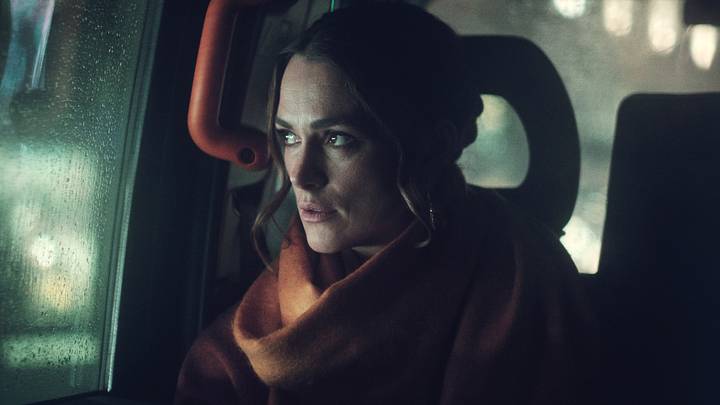
The show’s tonal balance is a deliberate creative choice
It is tempting to describe Black Doves as a serious spy thriller with jokes added for relief. That undersells what it is doing. The comedy, action and emotional drama are interdependent. The jokes make the characters feel socially alive; the action puts their choices under pressure; and the emotional scenes show what the pressure is costing them.
Reuters’ report from the Season 2 launch quoted Knightley describing the series’ appeal as a combination of playful, high-octane action, humor and morally complicated characters. That is a useful description of the creative balance, but the result is visible on screen too. The show invites viewers to enjoy its outrageous set pieces while asking them to care about people who are far from morally uncomplicated.
The tonal shifts will not work equally well for every viewer. Someone looking for strict procedural realism may find the characters’ ability to survive escalating danger too convenient. Someone expecting a relentlessly grim drama may find the banter too playful. But the contrast is not an accidental inconsistency. It is the series’ defining style, and the emotional material gives that style a reason to exist.
Why the mix makes the series more memorable
Many thrillers can deliver a surprise, a chase or a dramatic reveal. Fewer can make viewers care about what happens after the immediate danger has passed. Black Doves is at its best when the action changes a relationship, when a joke reveals a character’s fear, or when a moment of friendship complicates an otherwise straightforward mission.
Its emotional weight also prevents the violence from becoming entirely decorative. The series does not always linger on consequences as long as a more realistic drama might, and its heightened world sometimes asks viewers to accept a great deal. Still, it repeatedly returns to the damage that secrecy and loyalty can do. The characters may be able to walk away from a spectacular set piece, but they cannot always walk away from what it has revealed about them.
That is the real balance: ridiculous fun on the surface, genuine emotional pressure underneath. The first keeps the show lively; the second keeps it from being disposable. When Black Doves gets both working at once, its mix of spy spectacle, dark comedy and bruised friendship feels distinctive rather than contradictory.
Frequently asked questions
Why is Black Doves both funny and emotionally serious?
The comedy comes from the characters’ personalities and the absurdity of their dangerous work, while the emotional drama comes from the consequences of secrecy, violence and loyalty. The contrast gives the serious moments more impact.
Is Black Doves meant to be a realistic spy drama?
Not entirely. Its action is heightened and often deliberately extravagant. The series is more interested in character, relationships and the moral cost of espionage than in strict procedural realism.
What makes Helen and Sam’s friendship so important?
They understand each other’s hidden lives and remain loyal despite the damage their choices can cause. Their bond provides the series with its emotional center, but the show also recognizes that their loyalty can be unhealthy.
Does the humor undermine the serious themes?
Not necessarily. The humor often works as a coping mechanism or a contrast to danger. The consequences of the characters’ actions remain part of the story even when a scene is funny.
Where can I watch Black Doves Season 2?
Black Doves Season 2 is streaming on Netflix. Visit the official Netflix series page for regional availability.


