

By Shivam Das · November 8, 2026
Quick answer: Black Doves creator Joe Barton says viewers can find themselves rooting for the show’s killers because the characters are funny, vulnerable, loyal and emotionally complicated—even when their actions are indefensible. At the London launch for Season 2, Barton joked to Reuters that audiences like them enough to want them to succeed, although “technically they are all mass murderers, psychopaths.” The joke captures the series’ central tension: being entertaining or emotionally understandable is not the same as being morally innocent.
There is a peculiar moment in watching Black Doves: you may catch yourself hoping an assassin gets away, worrying about a spy’s friendship, or laughing at a character who has just done something appalling. The show knows that reaction is uncomfortable. It also knows exactly how to create it.
At the Season 2 launch in London, creator and writer Joe Barton put that contradiction into unusually blunt words. Speaking to Reuters, he said viewers end up wanting these characters to succeed even though, technically, they are mass murderers and psychopaths who should be in jail. It was delivered with a laugh, but it is a sharp description of the show’s storytelling method: make the audience care about people whose choices should make them impossible to support.
What Joe Barton actually said about the audience rooting for killers
Reuters reported Barton’s comments at the London launch of the second season. His point was not that the characters are secretly good people, or that the violence should be excused. It was that the writing and performances can make viewers emotionally invested in people they would never defend in real life.
“You like them enough that you want them to succeed” — Joe Barton, speaking to Reuters about the morally compromised characters in Black Doves.
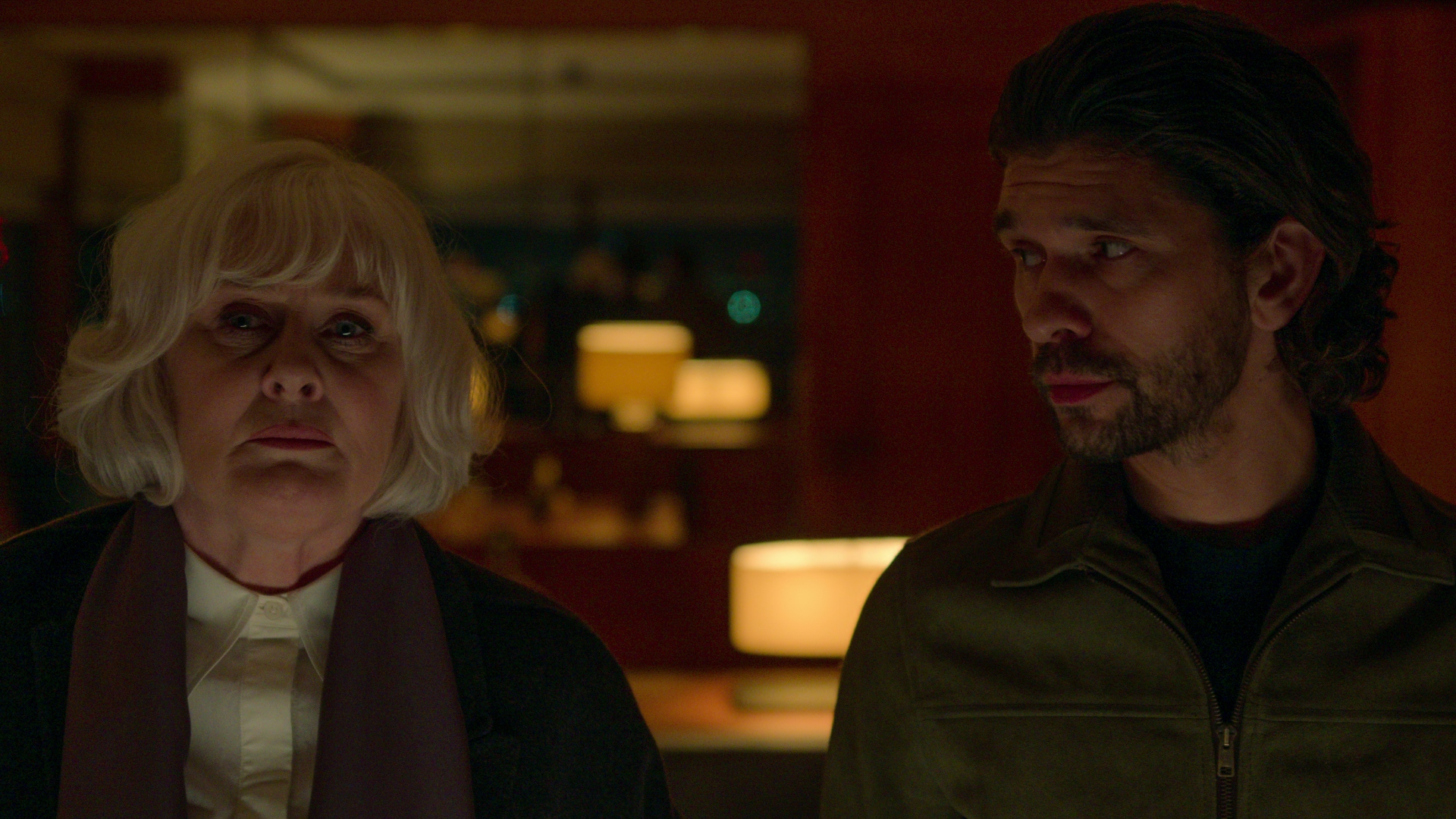
The distinction matters. A viewer can want Helen to survive a dangerous situation without approving of the secrets she sells. Someone can feel for Sam’s loneliness without forgetting that he earns a living as a killer. And it is possible to enjoy Eleanor and Williams’ comic timing while recognising that their casual relationship with violence is part of what makes them so alarming.
That is the uncomfortable invitation at the heart of the series: understand the person, but do not confuse understanding with absolution. The audience is allowed to feel affection, suspense and amusement at the same time as moral unease.
Helen Webb: the respectable public face and the ruthless private life
Keira Knightley’s Helen is an especially clear example of Barton’s approach. In public, she is a polished political spouse and mother. In private, she works for a covert organisation that trades in intelligence. Season 2 raises the pressure because her husband Wallace is preparing to become prime minister, placing her closer to the centre of government while making her secret work more dangerous.
Helen’s appeal is not built on innocence. She lies, manipulates and makes lethal decisions. What makes her compelling is the effort required to keep her different identities from colliding. Her domestic responsibilities are real; so are the consequences of her covert choices. The series lets viewers see both, rather than flattening her into either a glamorous action hero or a simple villain.
Sam Young: a killer whose vulnerability is impossible to miss
Ben Whishaw’s Sam is perhaps the character most likely to make the audience question its own sympathies. He is a highly capable triggerman, but the series repeatedly shows the emotional cost of that work. He wants connection and a different life, yet he keeps being pulled back into jobs, debts and loyalties that make escape difficult.
That contradiction is important. Sam’s gentleness does not cancel out his capacity for violence. His sadness does not undo the people he has killed. But the show allows those qualities to exist together, which makes him more than a one-note assassin. His friendship with Helen gives the series an emotional centre, while his choices keep that friendship under pressure.

Why Eleanor, Williams and Laila make the moral line even messier
The show’s supporting assassins add another layer to the question. Eleanor and Williams can be funny, affectionate and unexpectedly tender with one another. Their banter makes them entertaining company, but their professional lives involve killing. The contrast is part of the joke—and part of the discomfort.
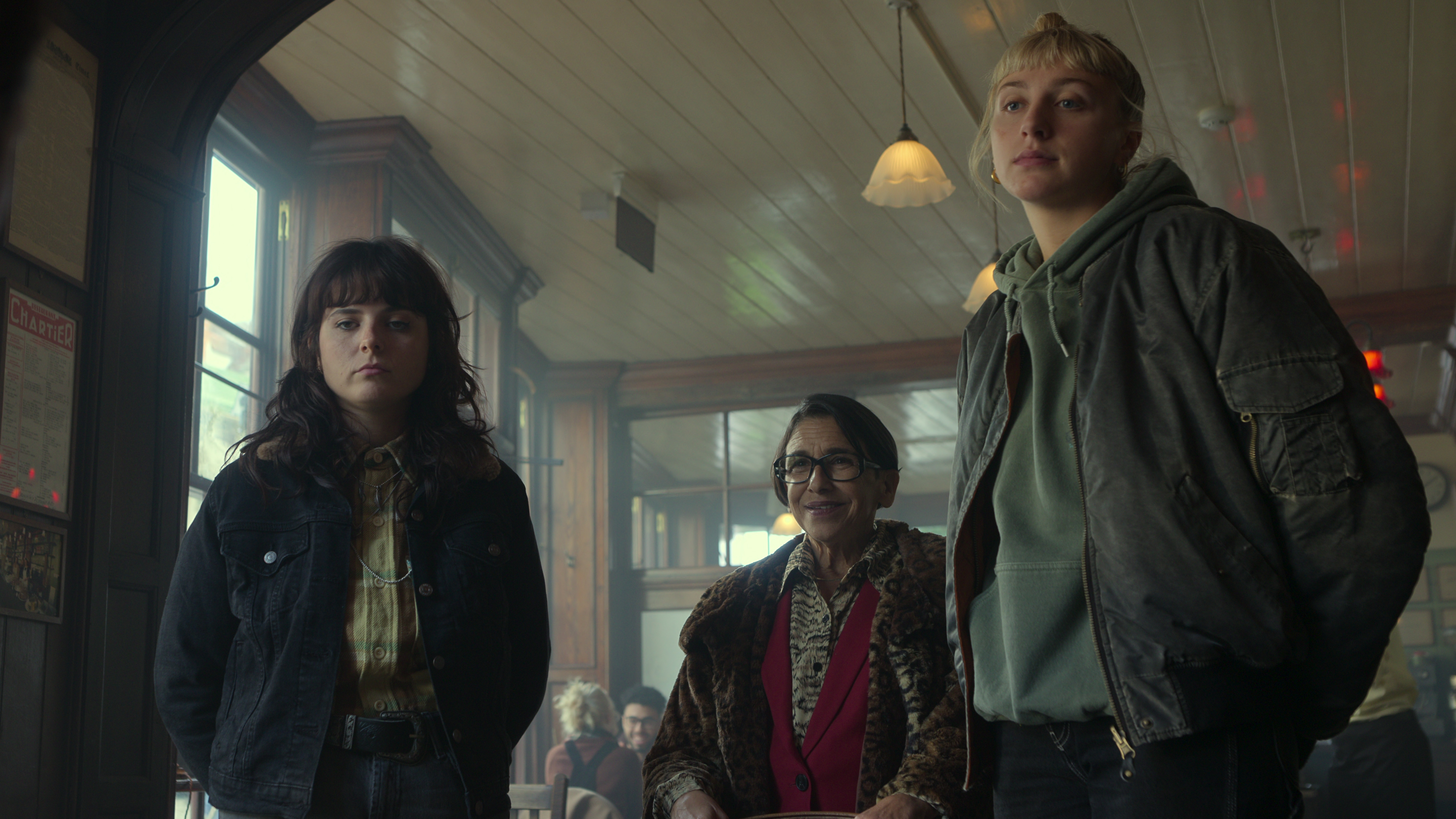
Season 2 also adds Laila, played by Ambika Mod, as an unpredictable operative sent to help Helen. Netflix’s official cast guide describes her as quick-witted, chaotic and effective under pressure. She treats dangerous work with a striking degree of casualness. That attitude can be funny in a scene, but it also shows how thoroughly the characters have normalised a world most people would find horrifying.
Dark comedy is the bridge between violence and affection
Black Doves does not ask viewers to forget the violence. Instead, it places dry humour beside it. A sharp line, an awkward exchange or an absurdly calm reaction can make a scene funny without making the consequences disappear. That tonal mix is risky: if the comedy were too broad, the danger would stop mattering; if the drama were relentlessly grim, the characters might become exhausting to watch.
Season 2’s reviews have highlighted this balancing act. TheWrap praised the season’s dark comic energy and strong performances, while the Financial Times described it as a lively, funny, often implausible spy caper. Those reactions help explain why Barton’s comment resonated: viewers are not necessarily cheering for murder. They are responding to characters whose wit, relationships and emotional damage make them compelling to follow.

Rooting for a character is not the same as approving of them
There is a useful difference between moral approval and narrative investment. A viewer might want a character to get through a particular crisis because the story has built a relationship, a fear or a hope around that person. That response does not mean the viewer endorses the character’s methods.
In Black Doves, that distinction is constantly tested. Helen’s love for her family sits beside her work as an operative. Sam’s longing for a quieter life sits beside his history as a hitman. Eleanor and Williams’ affection for each other exists in a world where violence is routine. Barton’s writing gives these people enough emotional texture that viewers can recognise their humanity without having to approve of their behaviour.
That is also why the title of this article is more than a provocative sound bite. The series’ real trick is not turning murderers into heroes. It is making the audience aware of how easily humour, loyalty and vulnerability can pull our sympathies toward people who remain dangerous.
Watch the official Black Doves Season 2 trailer
The official Netflix trailer introduces the higher stakes surrounding Helen, Sam and Reed, and shows how the season expands the world around the Black Doves.
Netflix’s official cast announcement
Netflix also introduced several of the new Season 2 players through its official X account. The post is useful context for the wider ensemble surrounding Helen and Sam.
Frequently asked questions
What did Joe Barton say about Black Doves viewers rooting for killers?
Barton told Reuters that viewers like the characters enough to want them to succeed, even though they are technically mass murderers and psychopaths. He added, jokingly, that they should all be in jail.
Does Black Doves expect viewers to approve of its assassins?
No. The series makes its characters engaging through humour, relationships and vulnerability, but those qualities do not erase the harm they cause. Understanding a character is not the same as excusing that character.
Why do viewers care about Sam Young?
Sam is a skilled killer who also wants love, connection and a less violent life. His friendship with Helen and his emotional vulnerability make him sympathetic, while his choices keep him morally complicated.
Is Helen Webb a hero or a villain?
Helen is deliberately difficult to categorise. She is a devoted mother and a capable operative, but she also lies, steals information and makes lethal decisions. The tension between those roles is central to the show.
Who created Black Doves?
Joe Barton created and wrote the series and serves as an executive producer. He returned for Season 2 alongside the returning cast and new characters.
Is Black Doves Season 2 streaming now?
Yes. Netflix released all six episodes of Season 2 on November 5, 2026.
Sources and further reading
- Reuters: Joe Barton on why audiences root for morally complicated characters
- Netflix Tudum: Black Doves Season 2 cast and characters
- Netflix Tudum: Season 2 guide and official trailer
- TheWrap: Black Doves Season 2 review
- Financial Times: Black Doves Season 2 review
Related reading: Keira Knightley on the pressure of Season 2 · Sam’s bar scene at the start of the finale · The unlikely Black Doves soundtrack playlist
Editorial note: Barton’s “mass murderers, psychopaths” remark is presented as his humorous description of the fictional ensemble, not as a clinical diagnosis or a claim about real people. Image credits and source links are provided with the stills; publishers’ and rights holders’ terms continue to apply.


