

Updated November 8, 2026 · By Shivam Das
Quick answer: Helen Webb’s “flustered mum energy” is the funny, recognisable domestic side of a character who is also a highly trained covert operative. In Black Doves Season 2, her husband Wallace’s move into 10 Downing Street makes that double life harder to hide. Critics respond to the clash between family routines, political performance and sudden violence — even when some reviewers question how plausibly Helen can fit all three lives into one day.
Helen Webb has one of television’s strangest calendars. One moment she is navigating the expectations placed on a prime minister’s wife; the next she is managing a dangerous intelligence problem, concealing a weapon or trying to work out whether someone close to her has been lying. The joke is not simply that she is a mother who can fight. It is that the show keeps placing an ordinary domestic identity beside an extraordinary and often brutal job, then lets the two sides collide.

Why the “flustered mum” joke lands
The phrase is not a formal character description from Netflix. It captures a comic effect that reviewers have noticed: Helen can be poised, polished and socially convincing, but her references and reactions can suddenly sound like those of a recognisable modern parent rather than a glamorous international spy. The Guardian’s November 5 review made that contrast especially clear, joking about Helen’s domestic schedule and the gap between her public family role and her covert assignments. The review also points to her unexpected answer when the younger assassins ask about her music taste: Olly Murs.
That moment matters because it is not a random pop-culture gag. It punctures the fantasy of the perfectly composed secret agent. Helen may have spent years building a cover identity, but the details of that identity have become part of her. Her taste, her manner and her social reflexes can reveal more than a carefully prepared cover story ever could. The comedy comes from the possibility that the most difficult part of her double life is not remembering a false name — it is keeping up the ordinary performance when the extraordinary one keeps interrupting.
The joke also works because the show does not treat motherhood as a costume that can simply be removed. Helen has a husband and two children. She has to maintain the appearance of a stable family life while protecting secrets that could destroy it. The domestic scenes are not separate from the spy plot; they are where the consequences of that plot become personal.

Number 10 raises the stakes — and the scrutiny
Season 2 moves Helen into a more exposed position because Wallace is now at the centre of British political life. Netflix’s official Season 2 guide describes her as a political spouse, devoted mother and covert Black Doves operative — three roles that are becoming harder to keep separate. Creator Joe Barton tells Tudum that the risks, the information Helen steals and the betrayals she commits are all bigger now that she is the prime minister’s wife.
That change gives the domestic-spy contrast a sharper edge. When Helen was married to a rising politician, the family home was already a useful place to gather information. At No. 10, the home is also a highly visible political address. The public role brings protocol, security, visitors and scrutiny. A person who is supposed to represent stability cannot easily disappear for an unexplained evening, return with a new injury or give a vague answer about where she has been.
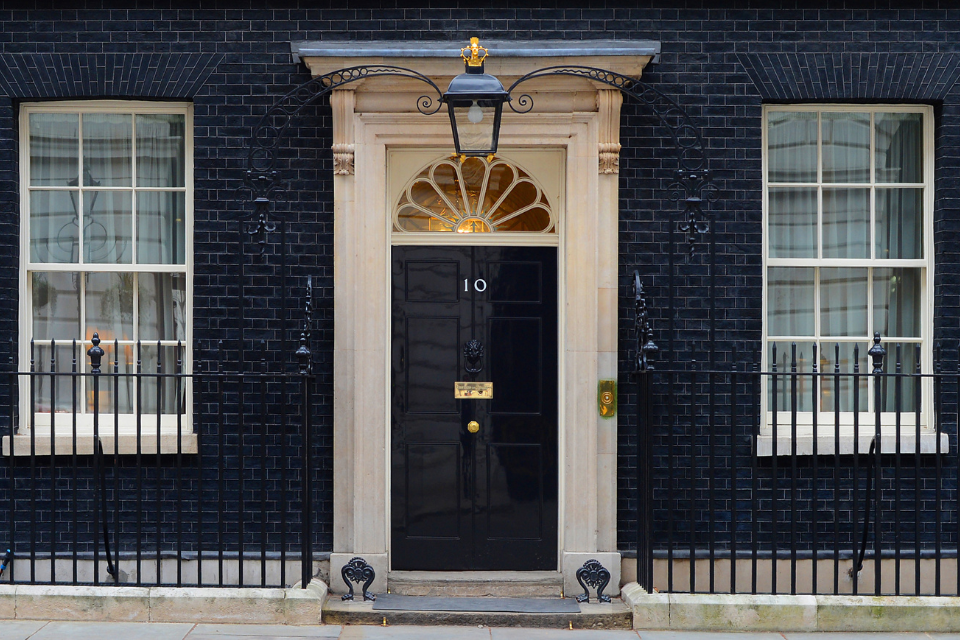
There is a real-world reason the address carries such weight. The UK government describes 10 Downing Street as both the prime minister’s official residence and office, and as a place for political work and entertaining guests. That dual purpose mirrors the show’s central idea: the private home is also a public institution. For Helen, the boundary between the family’s living space and the machinery of government is now thinner than ever.
Critics like the comedy, but they also notice the practical problem
The response has not been one-note praise. The Guardian found the series wildly implausible but entertaining, arguing that the cast and characters are more compelling than the intricate spy plotting. Its review also questions how Helen can undertake so many dangerous excursions while her family life appears to run without much hands-on childcare. That criticism is part of the conversation around the “mum energy” joke: the show wants the audience to enjoy the contrast, but the logistics can invite questions.
NME’s Season 2 review similarly notes that Helen’s visible political position makes it difficult to believe she can move around London so freely without attracting attention. At the same time, NME praises the funny, likeable characters and the sharp chemistry between Knightley and Ben Whishaw. The Independent is more enthusiastic about Knightley’s performance, highlighting the pleasure of seeing Helen be both funny and formidable. These reviews do not all make the same argument, but together they show why the character is such a lively talking point.
The fairest reading is that Black Doves is not trying to be a procedural about the daily schedule of a political spouse. It is a heightened spy thriller with a comic sensibility. Still, the show’s best jokes often come from details that feel recognisable, which means viewers may also notice when the practical details stop adding up. The same realism that makes the family scenes funny can make the security questions harder to ignore.

Helen’s family life is a cover — but it is not only a cover
One reason the character remains interesting is that the series does not reduce her family to a prop. Helen’s marriage to Wallace began as part of an intelligence operation, but the emotional situation is more complicated than a simple assignment. Season 2 makes the cost of that arrangement harder to avoid as Wallace becomes more suspicious and Helen’s hidden history comes closer to the surface.
The children also change the moral stakes. They are not responsible for the secrets that built the family, but they are vulnerable to the consequences. When threats reach the household, Helen is forced to think beyond the organisation’s demands and beyond her own survival. Her instinct to protect her children is real, even though her career has repeatedly put the family in danger.
That tension is part of what makes the character’s “mum energy” more than a punchline. The everyday side of Helen is not simply an embarrassing contrast to her spy skills. It is the part of her life that gives those skills emotional consequences. A mission can be completed; a family cannot be reset so easily.

Why the contrast makes Helen feel different from a standard spy hero
Many spy stories use family life as a weakness to be exploited or a reason for a hero to retire. Black Doves takes a messier route. Helen’s domestic identity is not a peaceful alternative to espionage; it is intertwined with the work. She has built relationships while concealing the truth, and she has to keep making decisions inside a family structure that was never fully honest to begin with.
That is also why the comedy can sit beside violence without completely cancelling it out. A funny line about music or parenting does not make the danger disappear. It reminds the audience that the person holding the weapon is also someone who has to return to a family home, answer questions and maintain an ordinary conversation. The tonal jump is the point.
There is a second layer to the joke: Helen is not the only person performing. Wallace has a public role to play as prime minister, the Black Doves present themselves as a professional intelligence organisation, and Helen’s family has an image to maintain. Everyone is managing appearances. Helen is simply the one whose different roles are most likely to collide in the same room.

What critics are really responding to
The strongest critical response is not that Helen is a perfect spy or a perfect parent. It is that Knightley can make the contradictions readable. She can move from dry social awkwardness to focused physical danger without making the character feel like two unrelated people. The performance gives the show a centre even when the plot becomes deliberately extravagant.
The Guardian’s scepticism about the logistics and NME’s comments on the security problem are worth taking seriously. A prime minister’s spouse would attract attention, and a parent with two young children cannot simply vanish without consequences. But those objections also point to the exact tension the series wants viewers to notice. Helen’s life is a performance that is becoming harder to sustain, and the more visible she becomes, the less room she has to improvise.
That is why the title’s “flustered mum energy” fits. It is not an insult and it is not a claim that Helen is incompetent. It is the human detail that stops her from becoming an untouchable action figure. She can be deadly and ridiculous, devoted and deceptive, socially polished and visibly overwhelmed. At No. 10, those contradictions are no longer safely separated.
Related Black Doves Season 2 coverage
- Keira Knightley’s Helen at 10 Downing Street: Balancing Spy Life with PM’s Wife Scrutiny
- The Kids as Leverage: How Family Protection Became Helen’s Ultimate Priority
- Marie Was Never Just the Nanny: The Double Agent Twist Inside 10 Downing Street
- Why Olly Murs, Billy Joel and Can All Belong on the Same Murder Playlist
Frequently asked questions
Why do critics describe Helen Webb as having “mum energy”?
It is a shorthand for the contrast between her recognisable domestic manner and her secret work as a covert operative. Her everyday references and awkward social moments can make her feel like a modern parent rather than a conventional spy stereotype.
Is Helen Webb a mother in Black Doves?
Yes. Helen and Wallace have two children. Her role as a mother is one of the central parts of the public family identity she maintains while working for the Black Doves.
Why does 10 Downing Street make Helen’s double life harder?
Wallace’s move into the prime minister’s office increases the family’s public visibility and security scrutiny. Helen has less room to disappear or explain away suspicious behaviour.
Do critics think Black Doves is realistic?
Not all of them. The Guardian and NME both point to implausibilities around Helen’s schedule and public visibility, while also recognising the show’s entertainment value, character work and comic tone.
Does Helen really love her family?
The series presents her feelings as genuine but complicated. Her marriage began within a covert operation, yet her concern for her children and the emotional cost of her secrets are treated as real stakes.
What makes Keira Knightley’s performance stand out?
She makes Helen’s different roles feel connected: the political spouse, the mother, the friend and the operative. The shifts between humour, anxiety and action give the character much of the show’s appeal.
Sources and further reading
- The Guardian: Black Doves Season 2 review
- NME: Black Doves Season 2 review
- The Independent: Black Doves Season 2 review
- Netflix Tudum: Black Doves Season 2 guide
- Netflix Tudum: Cast and character guide
- UK Government: History of 10 Downing Street
Editorial note: “Flustered mum energy” is an interpretive description of the show’s comic domestic-spy contrast, not an official Netflix character label. Critical responses are mixed on realism; this article distinguishes that criticism from praise for the cast and tone.


