

The Times’ four-star verdict on Black Doves Season 2 captures the show’s central contradiction: it is thrillingly entertaining when its assassins are trading insults and bullets, but less convincing when it asks viewers to treat their emotional lives as serious drama. In his November 5, 2026 review, critic Ben Dowell praises the Netflix thriller’s pace, comic violence and cast while questioning whether its characters’ inner lives can withstand closer scrutiny. That tension is not a minor footnote. It is the key to understanding why the second season can feel both irresistibly watchable and dramatically uneven.
Review context: this article examines The Times’ published assessment and compares it with other current critical responses. It is an independent analysis, not a reproduction of the review.

What The Times actually praises — and what it refuses to overlook
Dowell’s review gives Season 2 four out of five stars, according to the review listing on Rotten Tomatoes. The central compliment is its ability to move quickly between elaborate action, dark comedy and moments of reflection. The critic describes the season as “funny and gruesome, a riot of slapstick and doomy death” — a concise description of the tonal collision that has become part of the show’s identity.
But the review is not an unconditional endorsement. Dowell argues that the series is more successful as a fast-moving entertainment ride than as a psychologically persuasive drama. When the story pauses and asks the audience to think seriously about how its killers live, love and justify their choices, he finds that the construction becomes less convincing. The four-star rating therefore reflects enjoyment of the experience, not a claim that every emotional or narrative element works.
Why the slapstick matters as much as the violence
Black Doves has always treated lethal danger and dry humor as neighboring registers. In Season 2, that contrast is especially visible in the scenes involving Williams and Eleanor. Their abrasive banter and possible romantic connection create comic release without removing the threat surrounding them. The humor is not simply decoration: it changes the rhythm of the action and gives the ensemble a distinctive voice.

That approach can be exhilarating because the show rarely stays in one emotional register for long. A tense exchange can become absurd; a joke can be followed by sudden brutality. The risk, as The Times points out, is that rapid tonal switching can sometimes feel like gears grinding rather than a deliberate change in mood. The same technique that makes the series lively can also prevent a scene from developing emotional weight.
Helen, Sam and Reed: the emotional test behind the spectacle
The Times review singles out the performances as a major reason the season remains engaging. Keira Knightley’s Helen is still a compelling center: she has to maintain the appearance of a political spouse while operating as a covert agent, and Wallace’s growing suspicions make that double life harder to sustain. Netflix’s official Season 2 guide confirms that Wallace’s move toward the premiership raises the pressure around Helen’s public and private identities.
Ben Whishaw’s Sam is a different kind of challenge. He is capable of extraordinary violence, yet the story wants viewers to believe in his capacity for affection, loyalty and connection. Dowell’s assessment is that Whishaw supplies enough understated warmth to make that contradiction plausible. That is a meaningful achievement for a character whose profession could otherwise reduce him to a collection of action beats.

Sarah Lancashire’s Reed is another important part of the season’s emotional architecture. The review notes that she is absent for substantial stretches, but her presence carries weight when the story returns to her. Netflix’s official cast guide describes Season 2 as digging further into Reed’s personal history, a choice that gives the character more vulnerability beneath her controlled exterior.
How The Times compares with other Season 2 reactions
The Times is not alone in identifying the show’s mix of absurdity and entertainment as its defining feature, but critics place different emphasis on what makes it work. The Guardian’s November 5 review also questions the plausibility of the spy setup and the apparent invulnerability of the central characters, yet finds genuine poignancy in Helen and Sam’s friendship. Its reading is more sympathetic to the emotional core even while criticizing the plotting and action stakes.
Rotten Tomatoes’ Season 2 page listed a 94% Tomatometer score from 18 reviews at the time of research. That figure is a snapshot, not a permanent verdict: the number of reviews and the aggregate score can change as more critics publish. It does, however, indicate that the season’s energetic style has found a broadly positive critical response so far.
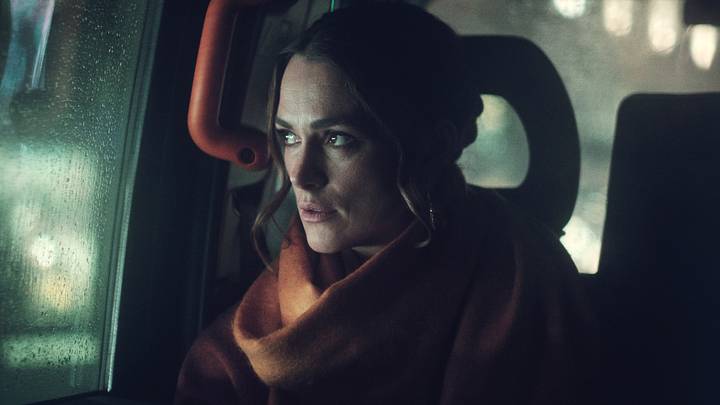
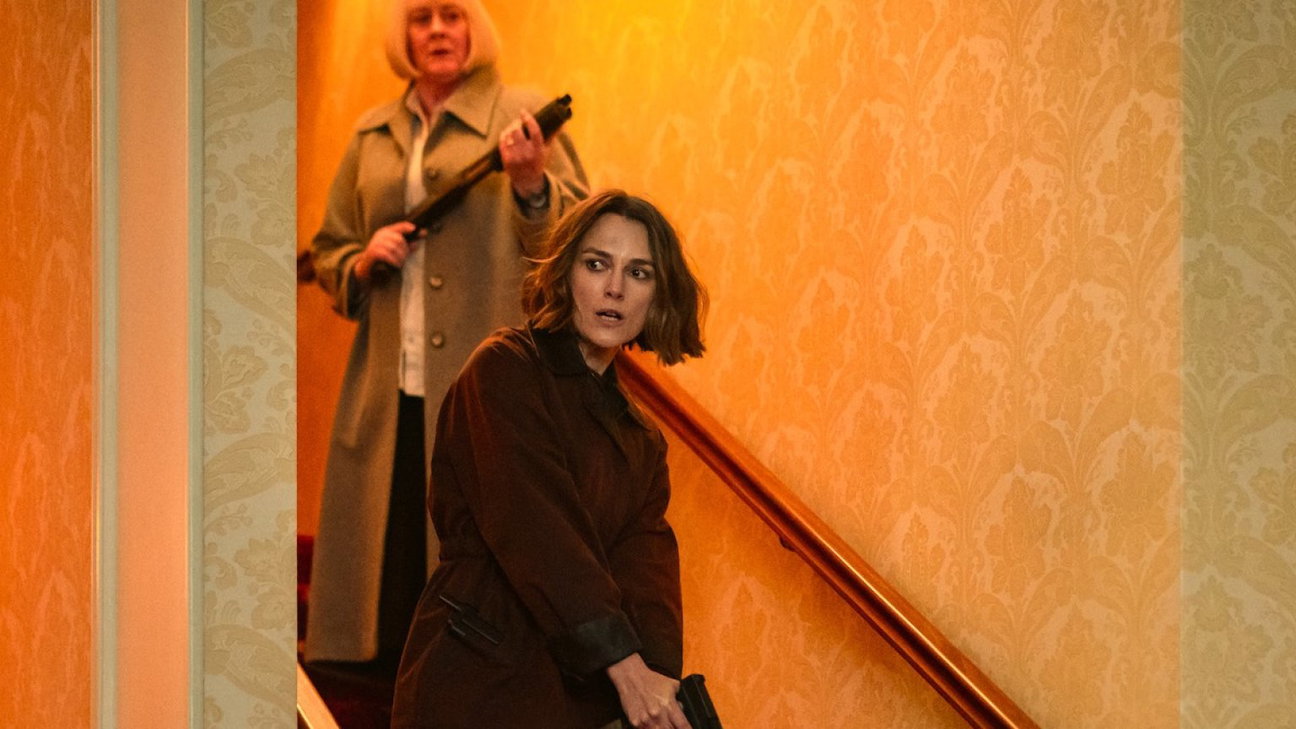
These reviews are not necessarily disagreeing about the same thing. The Times places its emphasis on the limits of the show’s psychological realism; The Guardian gives more attention to the friendship at its center. Both recognize that Black Doves is not trying to be a conventional, grounded spy procedural. The critical question is whether its emotional scenes can carry the same conviction as its action and comedy.
Is the four-star verdict fair?
As a judgment of entertainment value, the four-star verdict is understandable. The show has a confident pace, a distinctive ensemble and a willingness to let comic absurdity coexist with genuinely grim events. Knightley, Whishaw and Lancashire give the story recognizable emotional anchors, while the supporting assassins help prevent the world from becoming too solemn.
As a judgment of dramatic depth, the review’s reservations are equally useful. A series can ask viewers to accept heightened spy-movie logic, but it still needs consistent emotional rules. If characters move from grief to jokes to extreme violence without enough connective tissue, the audience may enjoy the spectacle without fully believing the people inside it. That is the gap The Times identifies.
The most productive way to read the verdict, then, is not as a simple thumbs-up or thumbs-down. It is a distinction between what Black Doves does exceptionally well and what it does less consistently. The action-comedy engine is the show’s strength; its attempt to make every killer’s private pain feel profound is a more uneven proposition.
What viewers should take from The Times review
For viewers who want a tightly paced thriller with sharp dialogue, stylish violence and a cast comfortable with tonal extremes, The Times’ review offers a strong recommendation. For anyone expecting a deeply realistic study of espionage, trauma or moral consequence, the critic’s warning is worth taking seriously. The season is designed to be enjoyed as a rollercoaster, and it is at its best when it commits to that identity.
Season 2’s broader setup and cast are outlined in Netflix Tudum’s official season guide. Read The Guardian’s review for a contrasting critical perspective, and consult Rotten Tomatoes’ Season 2 page for the changing review aggregate.
Frequently asked questions
How many stars did The Times give Black Doves Season 2?
The Times review by Ben Dowell received four out of five stars, as shown in the review listing on Rotten Tomatoes.
What does “funny and gruesome” mean in the review?
It refers to the show’s deliberate combination of violent action, slapstick comedy and dark humor. The phrase captures the season’s tone rather than serving as an overall summary of every storyline.
Does The Times think Black Doves Season 2 is a serious drama?
Not entirely. The review praises its pace and entertainment value but argues that the emotional and psychological drama can feel less convincing when examined closely.
Who are the main performers praised in the review?
The review highlights Keira Knightley, Ben Whishaw and Sarah Lancashire, while also noting the comic energy of Williams and Eleanor and Ambika Mod’s addition as Laila.
Where can viewers check other reviews?
Rotten Tomatoes aggregates published critics’ reviews, while individual outlets such as The Guardian provide their own full assessments. Scores and review counts can change as new reviews are added.
Sources and further reading:
- Ben Dowell, The Times — Black Doves series 2 review (November 5, 2026).
- Rotten Tomatoes — Black Doves: Season 2 critics’ reviews.
- Netflix Tudum — Black Doves Season 2 guide (November 5, 2026).
- The Guardian — Black Doves review (November 5, 2026).
Image credits are provided in captions. Image availability and third-party reuse permissions are controlled by the respective publishers and rights holders.


