

Black Doves has always mixed espionage with messy human attachment, but its queer characters give that combination an especially distinctive emotional charge. Across two seasons, the Netflix thriller has made room for Sam Young, a gay assassin whose private life is not reduced to a plot label, and for Williams and Eleanor, two lethal colleagues whose sharp banter gradually opens into a vulnerable romance.
Season 2 makes that representation more visible without turning every relationship into a speech about identity. Its most striking romantic development is the slow-burn connection between Williams (Ella Lily Hyland) and Eleanor (Gabrielle Creevy), while Sam’s history with Michael (Omari Douglas) gives the series a different, more painful view of queer love. Together, these stories help explain why the show’s emotional world can feel broader than its spy-thriller premise.

Sam Young: a queer character first, not a stereotype
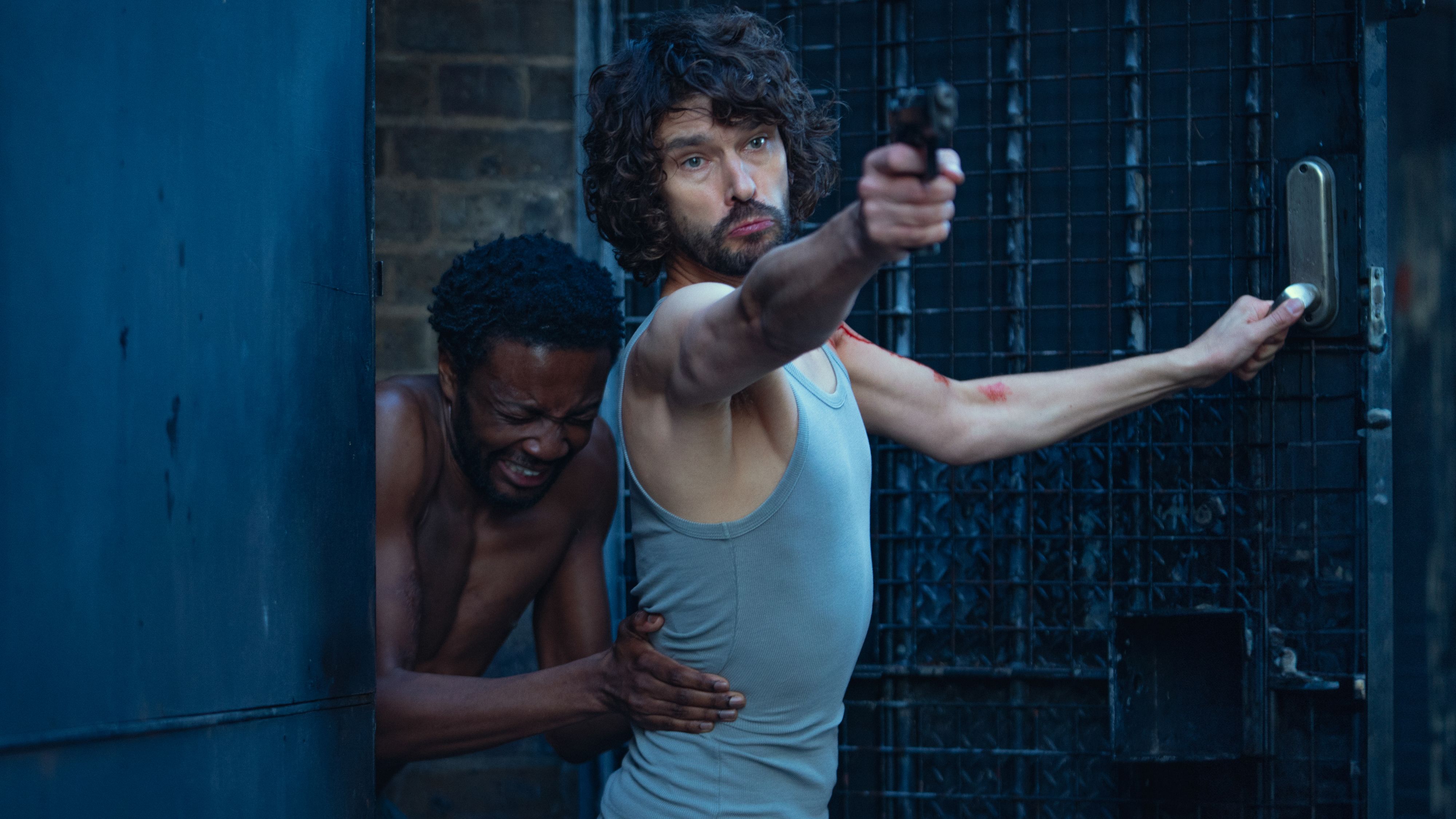
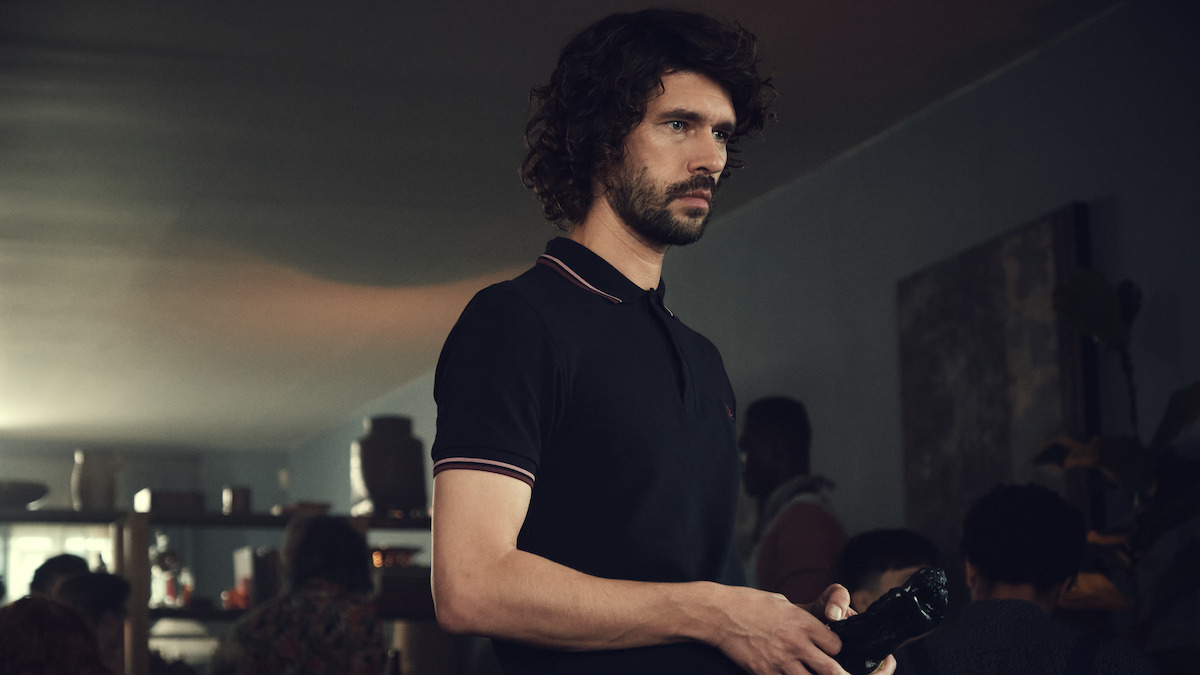
Ben Whishaw’s Sam is unusual for a mainstream spy thriller: he is openly gay, highly capable at violence, emotionally complicated, and allowed to have a life beyond supporting the lead character. His sexuality is part of who he is, but the show does not make it his only defining feature. He has friendships, professional loyalties, a history of intimacy, regrets and a dangerous job that keeps colliding with the possibility of a quieter future.
That distinction matters. In a 2024 interview with British GQ, Whishaw said he was drawn to the idea of playing “a queer guy who shot people for a living.” He also described the flashback sequence in which Sam protects Michael during a gunfight as romantic, even though the scene is staged inside the heightened violence of the series. The contrast is central to Sam: tenderness and brutality exist in the same person, and neither cancels the other.
Michael is not simply a name from Sam’s past. Netflix’s Tudum cast guide describes the pair meeting in London, falling in love and planning a future together. Omari Douglas has also spoken about the intimacy of portraying their domestic scenes, which sit in deliberate contrast with the show’s high-octane action. That emotional history helps viewers understand what Sam has lost and why his choices can carry a personal cost beyond the next assignment.
Williams and Eleanor: the slow burn becomes the story
Season 2 gives Williams and Eleanor a more sustained romantic arc. They begin as an assassin partnership built on fast instincts, dry humour and a shared appetite for chaos. The show lets their connection grow through teamwork and friction rather than announcing it too early. What looks like professional compatibility gradually reveals jealousy, dependence and a fear of being emotionally exposed.
Netflix’s November 5 Tudum interview with Hyland and Creevy makes clear that the romance was allowed to develop naturally. Creevy said she initially understood the pair as friends in Season 1, while Hyland described the characters’ feelings as something that unfolded as the story was being written. Their contrasting Irish and Welsh accents also became part of the duo’s texture, giving their exchanges a rhythm that is specific to these two characters rather than generic romantic banter.
The turning points are deliberately unromantic in setting. Williams admits her feelings while the pair are under fire; Eleanor later returns them in the middle of another dangerous confrontation. Their first kiss arrives amid a live grenade. The action is absurdly heightened, but the emotional logic is recognisable: two people who are used to surviving alone must decide whether trusting someone is worth the risk.
Why their relationship feels earned
The strongest part of the Williams–Eleanor story is not simply that it becomes romantic. It is that the relationship changes how the characters behave. Hyland told Tudum that Williams begins to realise she cares about people and may not be as apathetic as she once seemed. Creevy described Williams as a safe place for Eleanor in a dangerous world. Love does not make either assassin harmless; it gives each of them something meaningful to protect.
Their humour is equally important. They are not written as solemn symbols or as characters whose every scene must explain their identity. They can be ridiculous, impatient, selfish and funny. That tonal freedom is part of what makes the relationship feel lived-in. The romance grows out of their particular personalities and their shared work, rather than replacing those traits.
The actors’ own comments also offer a useful distinction between audience response and measurable popularity. In the Tudum interview, Creevy said viewers are drawn to the pair because they are “bonkers” and unfiltered, while Hyland called their mix of different energies refreshing. Those are the performers’ interpretations of the appeal—not a verified audience poll or a claim that every viewer reacted in the same way.
Helen and Sam: another kind of love at the centre
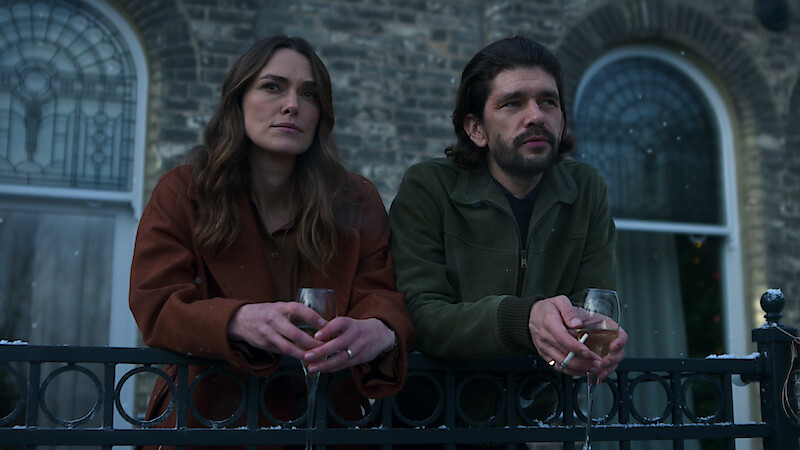
Black Doves also complicates the familiar “gay best friend” dynamic through Helen and Sam. Their bond is not a conventional romance, but it is one of the show’s emotional anchors. Sam is not there merely to offer witty advice or decorate Helen’s story. He has his own loyalties, romantic history, moral compromises and needs. Helen, meanwhile, is one of the few people who sees the contradictions in him and still calls on him when everything is falling apart.
In a November 2026 interview with Attitude, Keira Knightley described the Helen–Sam connection as the central relationship and said she had not often seen that friendship depicted with its full nuances, affection and humour. That comment helps explain why the series can contain multiple kinds of queer representation without making them compete: Sam’s romantic life, his friendship with Helen and Williams and Eleanor’s developing partnership all serve different dramatic purposes.
Representation that is part of the world, not a detour from it
One reason these stories stand out is that the characters are not separated from the thriller’s main machinery. Their relationships affect trust, risk, decisions and survival. Sam’s past with Michael informs his emotional vulnerability; Williams and Eleanor’s growing attachment changes the way they operate as partners; Helen and Sam’s friendship shapes how they protect one another. The queer characters are woven into the story’s cause and effect.
That does not mean the show is beyond criticism, or that every viewer will respond to every storyline in the same way. The series’ fast pace and deliberately heightened violence can sometimes crowd out quieter emotional beats. But the decision to let queer characters be complicated, funny, dangerous and affectionate gives the drama more than one emotional register.
Season 2’s slow-burn romance is therefore not a side attraction added to make the show feel current. It is a continuation of a larger idea already present in Black Doves: people who live by secrets and violence still need connection, and the people they love can become both their greatest vulnerability and their strongest reason to keep going.
What to watch for next
The season leaves Williams and Eleanor at the beginning of a new chapter rather than presenting their relationship as a neatly completed arc. The actors have even joked about wanting a Vegas wedding for the pair, but that is a playful wish from the performers—not a confirmed storyline. Sam’s future is also unresolved in emotional terms, even as his past continues to shape him. Those open questions give the show room to explore what happens when its characters try to build a life around people they can no longer pretend not to need.
Frequently asked questions
Who are the LGBTQ characters in Black Doves?
Sam Young is portrayed as a gay man, and the series also follows the developing romantic relationship between assassins Williams and Eleanor. Sam’s former partner Michael is an important part of his backstory.
Do Williams and Eleanor become a couple in Season 2?
Yes. Season 2 develops their connection from a combative working partnership into mutual romantic feelings. They confess those feelings and share their first kiss during dangerous missions.
Who plays Sam and Michael?
Ben Whishaw plays Sam Young, while Omari Douglas plays Michael.
Why is Sam and Helen’s relationship important?
Their friendship is one of the show’s emotional centres. It gives Sam a close bond beyond romance and gives Helen someone who understands the dangerous contradictions in her life.
Is Williams and Eleanor’s romance based on a real-life relationship?
No. Williams and Eleanor are fictional characters. Ella Lily Hyland and Gabrielle Creevy have discussed their characters’ chemistry and romance in interviews, but that does not mean the fictional relationship reflects the actors’ private lives.
Sources and further reading
- Netflix Tudum: Williams and Eleanor’s Romance, Explained by the Cast (November 5, 2026)
- Netflix Tudum: Black Doves Season 2 Ending Explained
- Netflix Tudum: Meet the Cast of Black Doves
- Attitude: Black Doves’ LGBTQ representation and the Helen–Sam friendship (November 2026)
- British GQ: Ben Whishaw on playing Sam Young (December 6, 2024)
- ITV News: Black Doves stars on Welsh and Irish representation (November 6, 2026)
By Shivam Das


