

Joe Barton’s dialogue is one of the reasons Black Doves can put a joke beside a gunshot without making either feel out of place. The Netflix spy thriller is full of assassins, handlers, compromised politicians and people who have made violence part of their working week. Yet they rarely speak like generic action characters. They sound irritated, amused, petty, affectionate, defensive and occasionally absurd. That specificity is the show’s secret weapon: it gives recognizably human rhythms to people who do profoundly inhuman things.
The title idea that Barton’s sparkling dialogue “humanises psychopaths” is deliberately provocative. It does not mean the writing excuses murder or turns every killer into a misunderstood hero. It means the characters are allowed to be funny, awkward, vulnerable and socially observant even when their actions are brutal. The contrast makes them more believable—and, in some scenes, more disturbing. A character who can make you laugh and then calmly return to violence is harder to dismiss than a one-note villain.

Why the dialogue makes the danger feel more real
Many thrillers use dialogue mainly to move information from one plot point to the next: a character explains the plan, names the target or announces the next betrayal. Black Doves does that too, but its best conversations have a second purpose. They reveal how people behave when they are tired of danger, when they know one another too well, or when they are trying to pretend that a terrible situation is merely an inconvenience.
That is where the humour becomes character work. A dry aside can reveal who has the confidence to challenge a colleague. A teasing remark can expose a friendship that has survived too many ugly assignments. An impatient response can tell us more about a character’s priorities than a paragraph of exposition. The dialogue feels lively because it is not only delivering the plot; it is showing the social habits that have developed around the plot.
JOE’s review of Season 2 singled out Barton’s witty dialogue as a standout element, arguing that it helps humanise a cast whose members often display psychopathic tendencies and kill without much hesitation. That is a useful description of the show’s unusual balance: the writing invites viewers to enjoy the characters’ company without asking them to forget what those characters do.
Humour is not the same thing as moral forgiveness
There is an important distinction between understanding a character and approving of that character. The show’s banter can make an assassin entertaining company, but it does not erase the people harmed by the assassin’s work. Comedy changes the texture of a scene; it does not cancel its consequences.
That distinction matters especially with Sam Young. He can be emotionally open, self-deprecating and loyal to Helen, while remaining a professional killer. His softer moments do not make his violence imaginary. Instead, the writing allows both sides to exist in the same person. The audience is asked to hold the contradiction rather than choose one convenient label.

Helen Webb works in a similar way. Her polished public life, family loyalties and covert work do not fit together neatly. Her exchanges with Sam can be affectionate and funny, but their intimacy is built on a shared understanding of danger. The dialogue makes that friendship feel lived-in. It also reminds viewers that knowing someone deeply does not necessarily make either person safe.
Every character needs a different rhythm
A witty script is not simply a collection of quotable lines. Its voices need to be distinct. In Black Doves, characters often reveal themselves through the way they respond under pressure: who makes a joke, who refuses to answer, who cuts through the nonsense, and who uses politeness as a weapon.
Helen’s voice can shift between domestic warmth and professional precision. Sam often brings a more openly emotional, self-aware energy. Reed’s authority is expressed through restraint and carefully chosen words. Eleanor and Williams create a different rhythm: their exchanges can be brisk, combative and unexpectedly affectionate. Those differences help the audience recognize relationships before the plot spells them out.

The creative advantage is cumulative. When every character has a recognizable rhythm, a conversation can carry several layers at once. It can be funny on the surface, tense underneath and revealing in retrospect. That is more efficient than stopping the story for a formal explanation of every relationship.
The assassin duo shows how banter can create emotional depth
Eleanor and Williams are a particularly clear example of Barton’s approach. They are dangerous professionals, but their partnership is also a source of friction, comedy and emotional uncertainty. Their dialogue can sound like two people who know exactly how to annoy one another—and who have also learned to rely on each other when the situation turns lethal.
Netflix Tudum’s Season 2 coverage describes their relationship as developing into a more personal connection. The show’s creator has discussed the appeal of writing people who have strong feelings for someone even when those feelings complicate the work they are supposed to do. That tension is a natural fit for a series where emotional attachment can become both a strength and a tactical weakness.
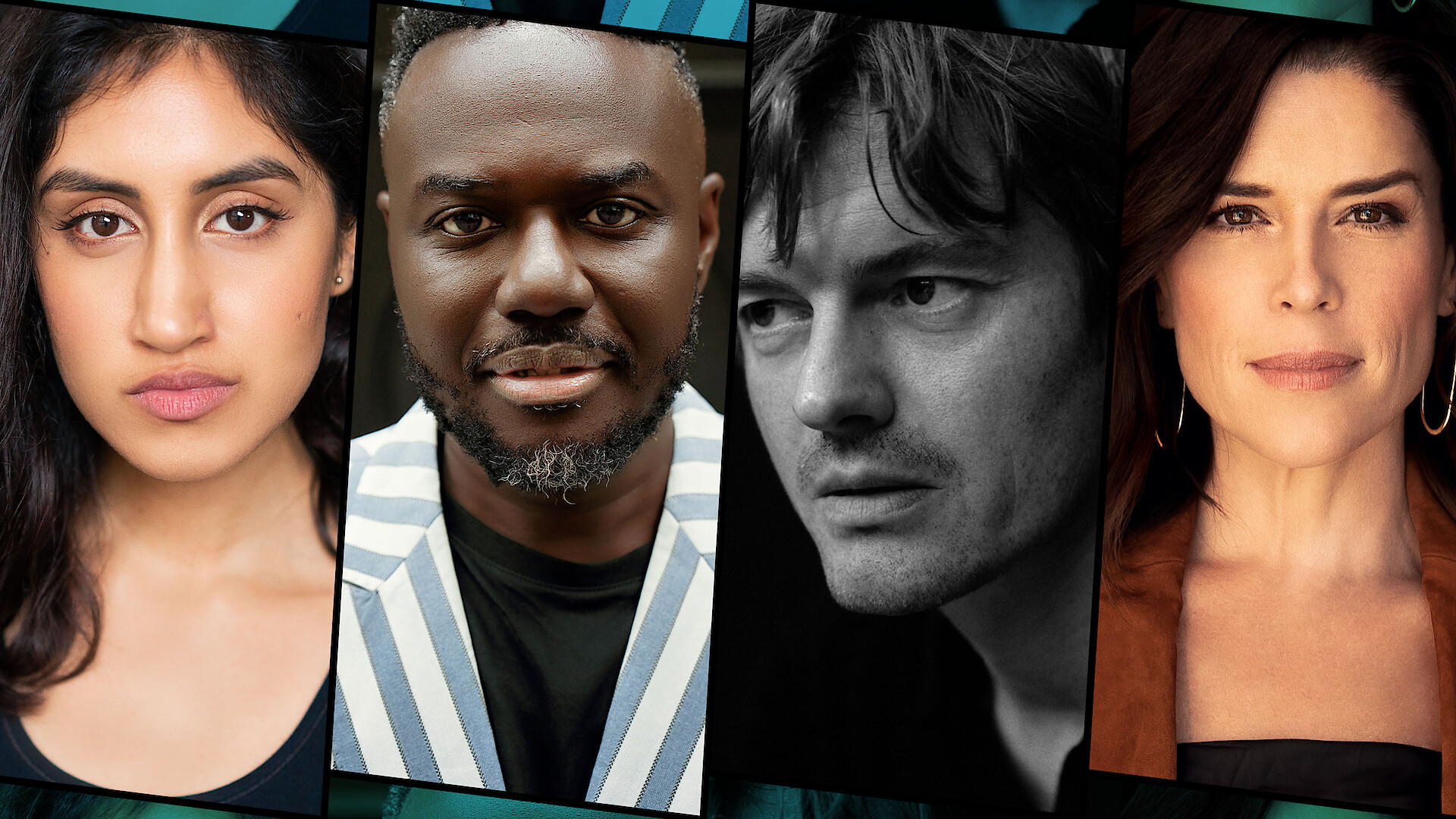
Their banter does not make them harmless. It makes their relationship legible. Viewers can see the affection developing through small verbal choices, not just through plot announcements. When a character who normally hides behind sarcasm becomes sincere, the shift has weight because the audience has learned the usual rhythm first.
Why the show’s comedy makes its violence more unsettling
Dark comedy works best when it does not pretend the danger is fake. In Black Doves, the humour often arrives in the same world as sudden violence, not in a separate comic universe. That collision can make a scene feel sharper. A casual remark before or after a brutal act reminds viewers how normalized the characters’ working conditions have become.
It can also expose emotional avoidance. People joke when they are uncomfortable, when they want to regain control or when the truth is too difficult to say directly. The show’s humour can therefore function as a defence mechanism. A character may be funny because they are confident, but they may also be funny because they cannot bear to be vulnerable for very long.
That is one reason the series can be both entertaining and morally uneasy. The viewer is invited to enjoy the timing and chemistry, then left to remember the human cost of the characters’ choices. The comedy does not soften the violence so much as make the characters’ ability to live with it more visible.
Barton’s writing gives the actors room to create chemistry
Dialogue only becomes memorable when performers can make it sound spontaneous. Netflix’s interviews with the cast and creator have repeatedly emphasized the importance of the relationships at the heart of the show, especially the friendship between Helen and Sam. Barton has described that platonic bond as a central interest, while Knightley has spoken about Sam being one of the few people who can see the many sides of Helen.
That creative focus gives the actors scenes in which they can simply spend time together: talking, arguing, teasing and letting silences do some of the work. The plot may be about espionage, but the emotional pull often comes from watching people negotiate what they mean to one another. The dialogue is the bridge between the thriller machinery and the human story.

The secret weapon is specificity
Ultimately, the most effective thing about Barton’s dialogue is not that every line is a punchline. It is that the characters sound as though they have histories with one another. Their jokes carry context. Their insults have personal targets. Their silences mean different things depending on who is in the room.
That specificity is what makes the show’s most morally compromised characters feel human without making them innocent. A psychopath in fiction can be frightening, but a person who is funny at breakfast, loyal to a friend and capable of terrible violence later in the day is more complicated—and often more unsettling. Black Doves understands that the human voice does not disappear when someone crosses a moral line.
So the secret weapon is not simply sparkling dialogue. It is dialogue that allows charm and cruelty, tenderness and threat, to occupy the same conversation. Barton’s writing gives the cast room to make that contradiction entertaining, emotionally credible and difficult to forget.
Frequently asked questions
Who writes the dialogue for Black Doves?
Joe Barton is the creator and writer behind Black Doves. Netflix’s Season 2 materials also identify him as the series’ writer, creator and executive producer.
Why is the dialogue in Black Doves so distinctive?
It combines dry humour, character-specific voices and emotional subtext. Conversations reveal relationships and coping mechanisms while also moving the spy plot forward.
Does the humour make the assassins seem less dangerous?
No. The humour makes them more recognizable as people, but it does not erase their actions or the consequences of their violence. The contrast is part of the show’s dark-comedy effect.
Why are Eleanor and Williams important to the show’s tone?
Their partnership brings sharp banter, friction and emotional development into the assassin storyline. Their exchanges show how affection can grow in a dangerous professional world.
Where can viewers watch Black Doves Season 2?
Black Doves Season 2 is streaming on Netflix. Availability can vary by country; visit the official Netflix series page for details.


